How to Transplant Big-leaf sedge?
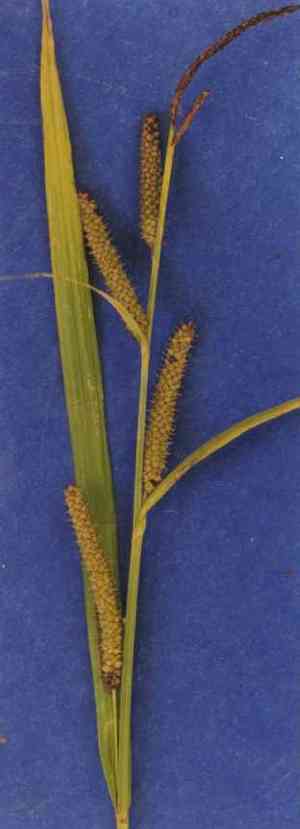
Big-leaf sedge flourishes when relocated between early and late spring, as this timeframe encourages strong root development. To achieve peak growth, select a spot with partial shade to full sun and soil that is damp yet drains effectively.
What Preparations are Needed Before Transplanting Big-leaf Sedge?
What is the Ideal Time for Transplanting Big-leaf Sedge?
The best time to move big-leaf sedge, a perennial, is from early to late spring. This period allows the plant to benefit from cooler temperatures and consistent rainfall, fostering strong root development and reducing transplant stress. Moving it then ensures vigorous growth and establishment before the main growing season.
How Much Space Should You Leave Between Big-leaf Sedge Plants?
For big-leaf sedge, ensure a spacing of 18-24 inches (45-60 cm) between each plant. This provides ample room for root expansion and prevents overcrowding.
What is the Best Soil Mix for Big-leaf Sedge Transplanting?
Prepare soil with good drainage, ideally a loamy or sandy mixture. Incorporating a base layer of compost or organic material helps supply essential nutrients.
Where Should You Relocate Your Big-leaf Sedge?
Big-leaf sedge thrives in partial shade to full sun. Select a location that receives at least 4-6 hours of daily sunlight but also offers some protection from intense afternoon rays.
What Equipments Should You Prepare Before Transplantation Big-leaf Sedge?
Gardening Gloves
To safeguard your hands when handling soil and big-leaf sedge.
Shovel or Spade
For excavating the plant from its current spot and preparing the new location.
Trowel
To assist with more delicate digging around the plant's root system.
Pruning Shears
To trim any damaged or dead foliage during the process.
Watering Can or Hose
To hydrate the plant before and after relocation.
Wheelbarrow
To transport the plant if it is large or difficult to carry.
Mulch
For covering the soil around the newly transplanted big-leaf sedge to maintain moisture.
How Do You Remove Big-leaf Sedge from the Soil?
How Do You Remove Big-leaf Sedge from the Soil?
From Ground: First, water the big-leaf sedge to moisten the soil. Then, dig a wide trench around the plant using a shovel or spade, keeping the root ball intact. Carefully work the spade beneath the root ball to lift the plant from its original spot.From Pot: Gently turn the pot on its side and tap the bottom to loosen the big-leaf sedge. If necessary, run a trowel along the edges. Once loose, carefully slide the plant out, supporting the root ball.From Seedling Tray: Use a trowel or fork to gently loosen the soil around the seedlings. Carefully lift each seedling by its leaves or root ball, taking care not to harm the roots.
Step-by-Step Guide for Transplanting Big-leaf Sedge
Prep the Site
Choose a location with suitable conditions for big-leaf sedge. Dig a hole large enough to accommodate the root ball.
Dig the Hole
The hole should be twice as wide as the root ball and of similar depth. This ensures ample space for root expansion.
Place the Plant
Position the big-leaf sedge in the hole, ensuring it is level with the surrounding soil. Backfill with soil, gently firming it around the roots.
Water Thoroughly
Water the plant completely to settle the soil around the root ball and remove air pockets.
Add Mulch
Spread mulch around the base of big-leaf sedge, keeping it a few inches away from the stem to prevent rot.
How Do You Care For Big-leaf Sedge After Transplanting?
Watering
Keep the soil around the big-leaf sedge consistently moist, but not waterlogged, for the initial weeks after transplanting to aid in root establishment.
Mulching
Replenish mulch as needed to retain soil moisture and regulate temperature.
Monitoring
Regularly inspect the plant for signs of stress or disease, such as wilting or discoloration, and address them promptly.
Support
If the big-leaf sedge was tall or leggy, provide support like a stake to help it remain upright while its roots establish.
Troubleshooting Common Issues with Big-leaf Sedge Transplantation.
When is the best time to transplant big-leaf sedge?
The optimal period for transplanting big-leaf sedge is from early spring to late spring.
How much space is needed between transplants of big-leaf sedge?
Maintain a spacing of 18-24 inches (45-60 cm) between each big-leaf sedge plant for optimal growth.
What soil type is best for big-leaf sedge when transplanting?
Big-leaf sedge prefers moist, well-drained soil with organic matter. Avoid overly dry or overly wet soil.
How should I prepare the soil before transplanting big-leaf sedge?
Loosen the soil to a depth of 12 inches (30 cm) and mix in organic compost.
How do I minimize transplant shock for big-leaf sedge?
Water big-leaf sedge well before and after transplanting and ensure the roots are kept moist during the process.
What is the proper depth for planting big-leaf sedge's root ball?
Plant big-leaf sedge at the same depth it was growing previously, avoiding deeper placements.
How often should I water big-leaf sedge after transplanting?
Water big-leaf sedge thoroughly immediately after transplanting, then maintain consistent moisture without soaking the soil.
What should I do if big-leaf sedge shows signs of wilting?
Check soil moisture levels and water as needed. Avoid disturbing the roots further.
Can big-leaf sedge tolerate direct sunlight immediately after transplanting?
Provide partial shade for a few days before exposing big-leaf sedge to full sunlight to reduce stress.
How can I encourage root growth after transplanting big-leaf sedge?
Apply a balanced, diluted fertilizer and mulch around the base to retain soil moisture and warmth.



