How to Propagate Big-leaf sedge?
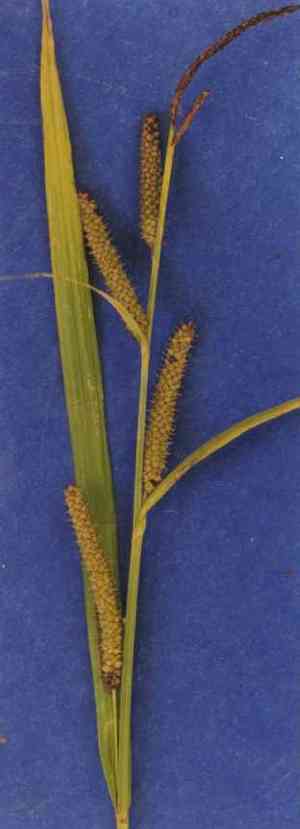
Carex macrophylla, a perennial member of the Cyperaceae family, flourishes in damp environments and is recognized for its expansive foliage. To multiply Carex macrophylla, employ the technique of division, which entails splitting plant clusters with a keen implement and relocating them to comparable humid settings. This practice guarantees vigorous development and preserves the plant's sturdy characteristics. Always verify that the fresh planting location possesses sufficient hydration for successful rooting.
What Is the Best Time To Propagate Big-leaf Sedge?
Propagation Type
Splitting
Propagation Season
Spring,Autumn
What Tools Are Used in Big-leaf Sedge Propagation?
Spade
A spade is crucial for big-leaf sedge propagation through division. It's used to carefully excavate the plant clump from the earth, minimizing root damage. A sharp spade is especially useful for clean cuts through the dense root mass, vital for successful division and replanting.
Sharp Knife or Pruning Shears
A sharp knife or quality pruning shears are needed for separating the excavated big-leaf sedge clump. They ensure clean, precise cuts of rhizomes and roots, helping prevent infection and promoting faster healing and establishment.
Garden Fork
A garden fork is important for loosening the soil around big-leaf sedge before digging up the plant. It minimizes root damage and facilitates lifting the entire clump from the ground.
Root Wash Station
A root wash station or a setup for cleaning plant roots helps remove soil from the big-leaf sedge clump. This process provides a clear view of the roots, simplifying the identification and division of healthy sections.
Potting Mix and Pots
High-quality potting mix and appropriately sized pots are required for planting the divided big-leaf sedge sections. These items are essential for creating a controlled environment where new sections can establish roots before being moved to a permanent spot.
Labels
Labels are used to mark newly potted big-leaf sedge sections with the division date and other relevant details. This aids in tracking the progress and health of each new plant.
Watering Can
A watering can with a fine rose head is essential for gently irrigating the divided big-leaf sedge sections immediately after planting. Proper watering ensures new plants are hydrated without causing waterlogging, which could lead to root rot.
How to Propagate Big-leaf Sedge?
Propagation Type
Simple
How to Care for Your Newly Propagated Big-leaf Sedge?
How to Care for Your Newly Propagated Big-leaf Sedge?
Post-division, ensure newly established big-leaf sedge sections receive sufficient water, especially during dry spells. Maintain a moist soil environment, but avoid overly saturated conditions that could cause root rot. Regularly check for signs of stress or disease. Apply a balanced, slow-release fertilizer in early growth stages to support vigorous development. Prune any dead or damaged foliage to encourage healthy new growth. With diligent care, big-leaf sedge will establish well and flourish in its new location.
Common Mistakes to Avoid When Propagating Big-leaf Sedge
Overwatering
Excessive moisture can lead to root rot, a common problem for big-leaf sedge, which needs well-draining soil.
Poor Soil Quality
Using overly dense or nutrient-deficient soil can hinder growth because big-leaf sedge thrives in rich, well-aerated substrates.
Incorrect Division Technique
Improperly splitting the plant can harm roots and decrease the likelihood of successful propagation.
Exposure to Direct Sunlight
While big-leaf sedge can tolerate some sun, prolonged exposure can stress the plant, leading to poor development.
Ignoring Soil pH
Neglecting soil pH can impact nutrient absorption; big-leaf sedge prefers slightly acidic to neutral soil.
Tips For Propagating Big-leaf Sedge
Adequate Watering
Water consistently but ensure the soil drains well to prevent root rot.
Quality Soil
Utilize rich, well-aerated soil to promote robust growth and successful propagation.
Proper Division
When dividing, use a sharp tool for clean cuts and to minimize root trauma.
Filtered Sunlight
Provide filtered sunlight or partial shade to reduce stress and enhance growth.
Soil pH Monitoring
Maintain a slightly acidic to neutral soil pH for optimal nutrient availability.



