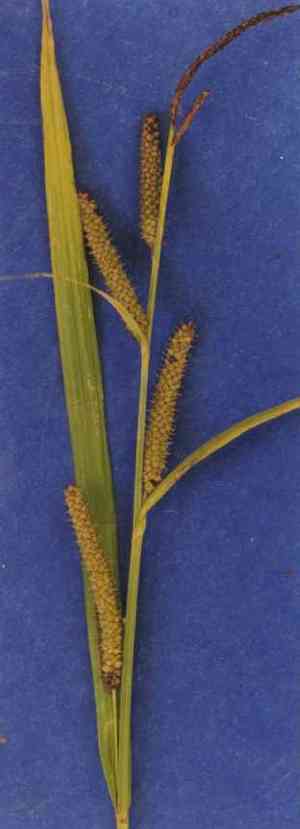
Big-leaf sedge (Carex amplifolia)
Also known as: Broad-leaved Sedge
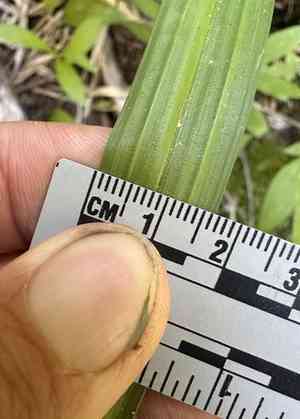
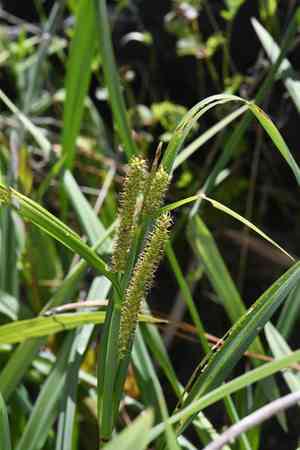
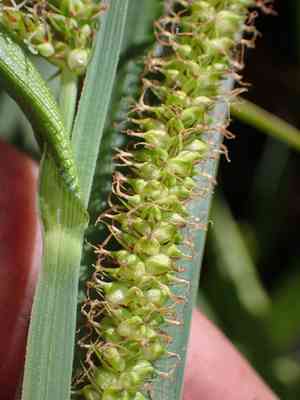
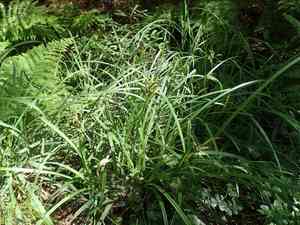
This rhizomatous sedge develops stems that reach heights between 50 and 100 centimeters. The stems, which feature wing-like extensions, have reddish bases encased in long, coarse, hairy leaves that can be as wide as 2 centimeters. The inflorescence consists of 5 to 8 cylindrical spikes, each extending up to 10 or 14 centimeters in length and comprising numerous individual flowers.
In This Article
Attributes of Big-leaf sedge
Lifespan
Perennial
Plant Type
Grass
Plant Height
0.5 to 1.2 meters (1.5 to 4 feet)
Spread
Approximately 1 meter (3 feet)
Leaf Color
Green
Flower Size
N/A (sedges typically do not have showy flowers)
Flower Color
Brown to green
Images of Big-leaf sedge
Quickly Identify Big-leaf sedge
1
Carex amplifolia can be identified by its broad, arching leaves that are much wider than most other sedges. The plant also produces dense, cylindrical flower spikes.
Scientific Classification of Big-leaf sedge
Phylum
Vascular plants
Class
Monocotyledons
Order
Poales
Family
Sedge
Genus
True sedges
Species
Big-leaf sedge
Planting and Growing of Big-leaf sedge
Care Difficulty
Moderate
Watering Schedule
Every 3 days
Sunlight Requirements
Partial sun
Sunshine Duration
4-6 hours
Ideal Temperature
60-75℉
Soil Type
Potting Mix, Peat Mix
Soil pH
6.5-7.5
Fertilizer Type
Balanced
Pruning Season
Spring, Summer
Pruning Area
Branches, Leaves
Pruning Frequency
2 times a year
Repotting Season
Spring
Pot Type
Plastic, Ceramic
 How to Water Big-leaf sedge?
Carex amplifolia appreciates a consistent moisture level. Ideally, water it until the soil feels adequately moist but not waterlogged, which typically requires about 400 milliliters at a time depending on pot size and soil drainage capability. Always allow the top inch of soil to dry out between waterings to prevent root rot, ensuring that the roots receive ample hydration without the dangers of oversaturation.
What are the symptoms of an underwatered Big-leaf sedge?
›
What should I do if my Big-leaf sedge is not getting enough water?
›
What are the symptoms of an overwatered Big-leaf sedge?
›
How to save an overwatered Big-leaf sedge?
›
 What Are the Sunlight Requirements for Big-leaf sedge?
Carex amplifolia prefers thriving in partial sun to full shade conditions. This range promotes optimal growth, maintaining healthy foliage and preventing stress caused by harsh sunlight or prolonged darkness.
What is the best light exposure for Carex amplifolia?
›
How can I ensure Carex amplifolia gets the right amount of light?
›
What benefits does Carex amplifolia gain from ideal light conditions?
›
 What Is the Ideal Temperature Range for Big-leaf sedge?
The ideal temperature range for Carex amplifolia typically lies between 60 to 75 degrees Fahrenheit. In this temperature zone, the plant can undergo optimal physiological processes such as photosynthesis and transpiration, which are crucial for its growth and development. Ensuring stable temperatures within this range helps the plant maintain its metabolic functions efficiently.
 What Soil is Best for Big-leaf sedge?
Carex amplifolia thrives in moist environments; hence, it requires soil that retains moisture well. Such soil supports the plant's growth by ensuring consistent water availability, crucial for fluctuating weather conditions. Rich, fertile soil provides essential nutrients for abundant growth. Carex amplifolia benefits significantly from such nutrition, which fosters lush foliage and overall vigor. While moisture retention is important, Carex amplifolia also needs soil with good drainage to prevent waterlogging, which can lead to root rot. Proper drainage balances moisture needs and protects root health.
 How to Fertilize Big-leaf sedge?
For Carex amplifolia, it is crucial to be cautious with the amount of fertilizer used. Generally, for liquid fertilizers, use a solution that is half the recommended strength per gallon of water. When using slow-release fertilizers, apply no more than 1 ounce per square foot of soil. This allows the plant to receive nutrients steadily without risk of root burn.
 How to Prune Big-leaf sedge?
Start by inspecting the plant for brown or dead leaves. These should be removed first as they can attract pests and diseases. Cut back any overgrown areas to maintain a neat shape. Keep your cuts clean and as close to the base as possible without damaging healthy foliage. Collect all clippings and dispose of them appropriately to prevent disease spread or pest habitation.
More About Pruning Techniques→
 How to Propagate Big-leaf sedge plant?
1
Start by selecting a healthy Carex amplifolia plant in your garden. Look for one with robust growth and multiple shoots. This ensures that the divisions you take will have a better chance of survival and establishment.
2
Carefully dig around the plant with a garden spade and lift it out of the ground. Gently shake off excess soil to expose the root system. Use a sharp knife to divide the clump into sections, making sure each section has several shoots and a healthy root system.
3
Prepare new planting holes, ensuring they are deep enough to accommodate the roots. Plant each division at the same depth it was growing before. Water thoroughly to help settle the soil and remove air pockets around the roots.
 How to Repot Big-leaf sedge plant?
1
Repot Carex amplifolia when you see roots emerging from the drainage holes or the plant appears to be outgrowing its current container. These signs suggest the plant needs more space to grow, necessitating a repot.
2
Choose a pot that is at least 2 inches larger in diameter than the current pot. This ensures adequate space for root expansion, promoting healthier growth and reducing the risk of root bound conditions.
3
Select a soil mix that retains moisture yet drains well. A loamy mix with organic matter works effectively, providing essential nutrients while preventing waterlogging, which could harm the plant's roots.



