How to Prune Big-leaf sedge?
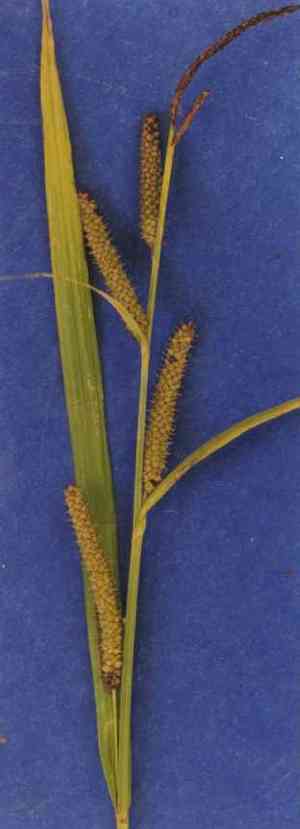
Carex macroura, or big-leaf sedge, is recognized by its expansive leaves and sturdy development. To preserve its vitality and aesthetic appeal, remove any withered or compromised foliage in the early spring or during winter while the plant is inactive. Consistent trimming stimulates robust development and prevents excessive density. Refrain from cutting into the central mass; instead, concentrate on tidying the outer edges. This schedule capitalizes on the plant's inherent growth patterns for peak recuperation and prosperity, guaranteeing a flourishing and attractive garden.
What Are the Benefits of Pruning Big-leaf Sedge?
What Are the Benefits of Pruning Big-leaf Sedge?
Trimming big-leaf sedge encourages robust, healthy development and helps maintain its form. This is crucial for a neat look and prevents the plant from becoming overgrown or messy, making it easier to manage and visually appealing.
What Is the Best Time for Pruning Big-leaf Sedge?
What Is the Best Time for Pruning Big-leaf Sedge?
Early spring is optimal for trimming big-leaf sedge, allowing it to recover and grow vigorously during its active period. Winter pruning, when the plant is dormant, helps prevent disease and damage while preserving its shape and health. Pruning at these times minimizes stress on big-leaf sedge, ensuring better overall growth and vitality.
What Tools Do I Need to Prune Big-leaf Sedge?
Hand pruners
Perfect for precise cuts, especially for removing dead or damaged foliage from big-leaf sedge. Use bypass pruners for clean cuts that encourage quicker recovery.
Garden shears
Useful for cutting back larger clumps and maintaining shape. They help manage the dense growth habit of big-leaf sedge without causing excessive harm.
Pruning saw
Helpful for cutting through thicker clumps in mature sections of big-leaf sedge, ensuring you have the correct tool for tougher areas.
Gloves
Essential for protecting against sharp edges of big-leaf sedge leaves, ensuring you avoid cuts and scrapes while trimming.
How to Prune Big-leaf Sedge
Assess
Examine big-leaf sedge to find and identify diseased or withered leaves that require trimming. Look for foliage showing signs of discoloration, brittleness, or fungal infection.
Tools
Prepare your pruning tools, ensuring they are clean and sharp. Use a pair of sterilized garden shears or scissors suitable for delicate trimming.
Cut Diseased
Carefully remove diseased leaves at the base of the leaf stem, completely detaching them from the plant. Ensure you cut back to healthy tissue to prevent disease spread.
Remove Withered
Eliminate withered leaves by cutting them off at the base, close to the main stem. Check for leaves that are brown or dried out, ensuring no residual dead tissue remains on big-leaf sedge.
Dispose
Properly discard all pruned material. Do not compost diseased leaves; instead, bag and throw them away to prevent potential spread to other plants.
Common Pruning Mistakes with Big-leaf Sedge
Over-pruning
Removing too much foliage can stress big-leaf sedge and negatively impact its overall health, reducing its ability to photosynthesize effectively.
Incorrect tools
Using dull or unsuitable tools can result in jagged cuts that increase susceptibility to diseases and pests.
Pruning at the wrong heights
Cutting too low or too high can hinder new growth or leave the plant looking unattractive and unhealthy.
Neglecting dead leaves
Failing to remove dead or damaged leaves can impede new growth and contribute to disease.
Common Pruning Tips for Big-leaf Sedge
Use sharp, clean tools
Always use sharpened and sterilized pruning shears to make clean cuts, which will help minimize infection risk and promote faster healing.
Remove dead and damaged leaves
Regularly eliminate any dead or damaged leaves to encourage healthy growth and reduce the likelihood of disease.
Prune judiciously
Trim big-leaf sedge conservatively, focusing on shaping the plant and removing only what is necessary to stimulate growth and maintain its natural form.
Focus on the outer foliage
Target the outer areas of the plant when pruning to promote a fuller, more aesthetically pleasing appearance and prevent overcrowding.



