How to Transplant Broadwing sedge?
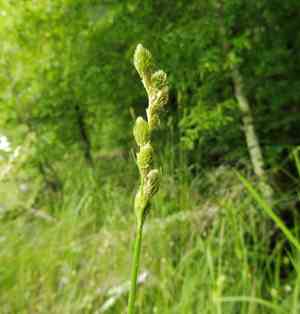
For broadwing sedge, the ideal period for transplanting extends from the onset of late spring's warmth through the core of summer. Select a location offering abundant illumination and damp, adequately draining earth. Providing a favorable environment fosters robust development following the move.
What Preparations are Needed Before Transplanting Broadwing Sedge?
What is the Ideal Time for Transplanting Broadwing Sedge?
The optimal period for relocating broadwing sedge spans from late spring's warmth through mid-summer. This timeframe aligns perfectly with broadwing sedge's natural growth cycle, offering mild temperatures and extended daylight hours that aid root development and recovery from the stress of moving. This timing also allows broadwing sedge to strengthen and mature before autumn's chill. Transplanting during this active growth phase gives broadwing sedge a head start, ensuring its resilience and vigor for the upcoming months.
How Much Space Should You Leave Between Broadwing Sedge Plants?
When moving broadwing sedge, provide ample room by spacing them approximately 6-12 inches (15-30 cm) apart. This ensures each plant has sufficient space to develop and flourish without competing with nearby plants.
What is the Best Soil Mix for Broadwing Sedge Transplanting?
For broadwing sedge, a well-draining soil rich in organic matter is perfect. Before planting, incorporate some compost or a balanced slow-release fertilizer to give your plants an excellent start.
Where Should You Relocate Your Broadwing Sedge?
Broadwing sedge enjoys sunlight but also benefits from some shade. Select a location that receives partial sun, such as an area that is sunny in the morning and shaded in the afternoon, for the healthiest plants.
What Equipments Should You Prepare Before Transplantation Broadwing Sedge?
Gardening Gloves
To safeguard your hands while handling soil and plants.
Shovel or Spade
For digging and lifting the plant's root mass.
Watering Can or Hose
To hydrate the plant before and after its relocation.
Pruning Shears
To trim any dead or excessive foliage.
Wheelbarrow or Plant Dolly
For moving the plant if it is heavy or large.
Garden Fork
To loosen the soil around the new planting spot.
How Do You Remove Broadwing Sedge from the Soil?
How Do You Remove Broadwing Sedge from the Soil?
From Ground: First, water the broadwing sedge plant to moisten the soil. Next, dig a wide trench around the plant using a shovel or spade, ensuring the plant's root ball remains intact. Carefully work the spade beneath the root ball to lift the plant from its original position.From Pot: Water the broadwing sedge thoroughly to make the soil damp, facilitating easy removal. Tilt the pot sideways, tap the bottom, and gently pull the plant out by the base of its stem. Support the root ball with your other hand.From Seedling Tray: Moisten the soil of the broadwing sedge seedling for effortless removal. Use a spoon or a dibbler to gently lift the seedling from the tray, making sure to retain as much soil with the roots as possible.
Step-by-Step Guide for Transplanting Broadwing Sedge
Prep Work
Before you begin, ensure you are working on a day that is neither too hot nor too cold to minimize shock to the broadwing sedge.
Plant Removal
Follow the relevant instructions in the 'Removal Process' section to extract your broadwing sedge from its current spot.
Prepare the New Site
Dig a hole at the new location that is twice as wide as the broadwing sedge's root ball, and equally deep. Incorporate some compost if available to enrich the planting area.
Place the Plant
Position the broadwing sedge in the center of the hole. The top of the root ball should be level with the ground surface. Fill in around the root ball with soil, gently pressing it down to eliminate air pockets.
Watering
After planting, water the broadwing sedge thoroughly to settle the soil around the roots and help reduce transplant stress.
Stabilize
If the broadwing sedge is tall or top-heavy, install a stake or other support to keep it upright until its roots become established.
How Do You Care For Broadwing Sedge After Transplanting?
Maintaining Moisture
Keep the soil consistently moist around the broadwing sedge to encourage root growth, but be careful not to overwater, which can lead to root rot.
Mulching
Apply a layer of mulch around the base of the broadwing sedge to conserve moisture, regulate soil temperature, and reduce weed competition.
Checking Plant Health
Monitor the broadwing sedge for signs of transplant shock, such as wilting or leaf loss, and take appropriate action. It may take some time to adapt to its new environment.
Pruning
Prune any damaged or dead leaves to help the broadwing sedge direct its energy into establishing new roots instead of repairing old foliage.
Troubleshooting Common Issues with Broadwing Sedge Transplantation.
What's the best time to transplant broadwing sedge for healthy growth?
Relocate broadwing sedge during its active growth period from late spring to mid-summer for optimal results.
How far apart should I space broadwing sedge when transplanting?
Space broadwing sedge approximately 6-12 inches (15-30 cm) apart to allow for ample growth and good air circulation.
Why is my transplanted broadwing sedge wilting after planting?
Wilting may be due to transplant shock. Ensure sufficient watering, avoid direct midday sun, and initially protect from strong winds.
What soil conditions does broadwing sedge need when transplanting?
Provide broadwing sedge with well-draining, fertile soil. Amend the soil with organic matter to ensure nutrient availability and proper root establishment.
Is it necessary to prune broadwing sedge before transplanting?
Pruning is generally not required, but removing damaged or excessively long roots can stimulate new growth and lessen transplant shock.
How deep should I plant broadwing sedge in the new location?
Plant broadwing sedge at the same depth it was previously growing, ensuring the crown is level with the surrounding soil.
Can I transplant broadwing sedge during a hot day?
It's best to transplant broadwing sedge on a cooler, overcast day to minimize stress and water loss from its leaves.
How do I water broadwing sedge after transplanting?
Water deeply immediately after transplanting, and keep the soil moist but not waterlogged as the roots establish.
Should I fertilize broadwing sedge immediately after transplanting?
Wait 4-6 weeks before fertilizing, allowing broadwing sedge to settle and begin new root growth before adding nutrients.
Why are the leaves of my broadwing sedge yellowing post-transplant?
Yellowing leaves might indicate over-watering or poor drainage. Check soil moisture and ensure the planting area drains effectively.



