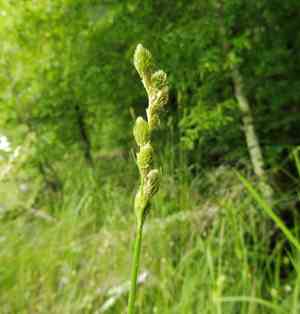
Broadwing sedge (Carex alata)
Also known as: Broad-winged sedge, Winged sedge
Carex alata, also known as broad-winged sedge, is a grasslike perennial that typically forms clumps reaching 61 to 91 cm in height. It thrives in wet environments such as stream edges and wetlands. Its attractive foliage makes it a popular choice for garden water features. The plant produces small, inconspicuous green or brown flowers, and its seeds serve as a food source for birds.
In This Article
Attributes of Broadwing sedge
Lifespan
Perennial
Plant Type
Grass
Plant Height
46 cm to 76 cm
Spread
45 cm to 60 cm
Leaf Color
Green
Flower Size
7 mm to 2 cm
Flower Color
Yellow Green Brown
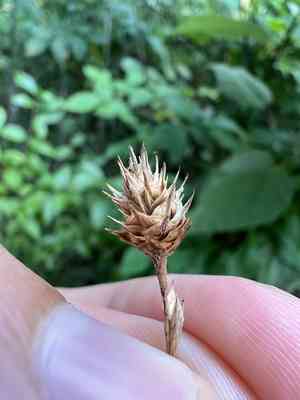
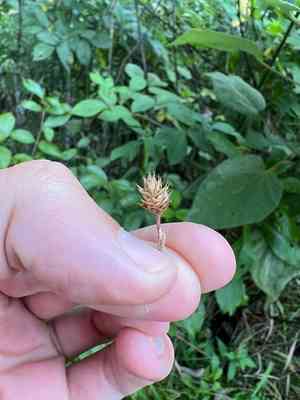
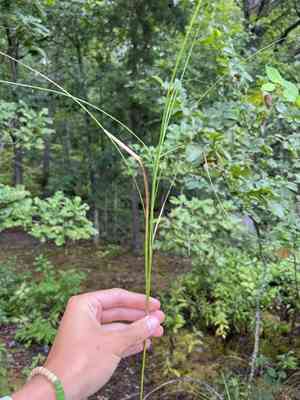
Images of Broadwing sedge
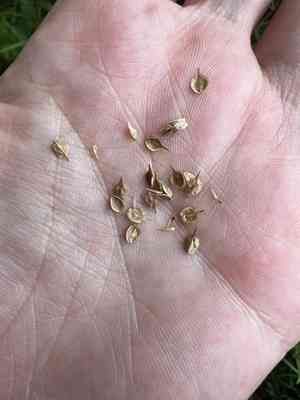
Quickly Identify Broadwing sedge
1
Carex alata can be identified by its triangular stems, wing-like leaf sheaths, and dense, spike-like inflorescences. The leaves are relatively broad compared to other sedges.
Scientific Classification of Broadwing sedge
Phylum
Vascular plants
Class
Monocotyledons
Order
Poales
Family
Sedge
Genus
True sedges
Species
Broadwing sedge
Planting and Growing of Broadwing sedge
Care Difficulty
Easy
Watering Schedule
Every 2 days
Sunlight Requirements
Partial sun
Sunshine Duration
4-6 hours
Ideal Temperature
60-75℉
Soil Type
Potting Mix, Peat Mix
Soil pH
6.5-7.5
Fertilizer Type
Balanced
Pruning Season
Spring, Summer
Pruning Area
Branches, Leaves
Pruning Frequency
2 times a year
Repotting Season
Spring
Pot Type
Plastic, Ceramic
 How to Water Broadwing sedge?
Carex alata, also known as Broadwing Sedge, requires a balanced watering approach. Water until the top 2 inches of soil are moist, providing approximately 200 ml each session. This ensures that the plant’s roots receive enough moisture without becoming waterlogged, while preventing dry spells that could stress the plant.
What are the symptoms of an underwatered Broadwing sedge?
›
What should I do if my Broadwing sedge is not getting enough water?
›
What are the symptoms of an overwatered Broadwing sedge?
›
How to save an overwatered Broadwing sedge?
›
 What Are the Sunlight Requirements for Broadwing sedge?
Carex alata's ideal light range is partial sun to full shade. This spectrum ensures balanced growth without risking leaf damage, promoting vigorous development and resilience against environmental stresses.
More About Sunlight Requirements Techniques→
Preferred Environment
›
Solution for Ideal Light
›
Benefits of Ideal Light
›
 What Is the Ideal Temperature Range for Broadwing sedge?
For optimal growth, Carex alata thrives best in temperatures ranging from 60°F to 75°F. This range ensures that the plant is neither stressed by excessive heat nor inhibited by cold conditions, promoting healthy foliage and vibrant growth.
 What Soil is Best for Broadwing sedge?
Carex alata thrives in soil that maintains moisture without becoming waterlogged. This is crucial for its health as it simulates its natural wetland habitat, allowing the roots to absorb necessary nutrients and preventing stress. Using soil that is rich in organic matter greatly benefits Carex alata by promoting vigorous growth. This ensures that the plant has access to essential nutrients needed for strong, healthy foliage and overall plant resilience. While it enjoys moist conditions, Carex alata requires soil with good drainage to prevent root rot. This balance between moisture and drainage helps to simulate natural conditions and keep the plant healthy.
 How to Fertilize Broadwing sedge?
Carex alata, commonly known as the broadwing sedge, does well with balanced fertilization. It prefers a modest amount of fertilizer due to its natural habitat in nutrient-rich wetland areas. Apply liquid fertilizer at a dilution rate of 1/4th standard strength to avoid burning the roots.
 How to Prune Broadwing sedge?
Begin by sterilizing pruning shears to prevent disease transfer. Target dead or discolored leaves first, cutting them at their base. Aim to maintain the natural arching shape of the plant; selectively trim older foliage to encourage new growth. Prune evenly around the plant to promote symmetry and balance. Regularly stepping back while pruning helps ensure a harmonious overall appearance.
More About Pruning Techniques→
 How to Propagate Broadwing sedge plant?
1
For seed propagation, begin by cleaning the seeds and soaking them in water for 24 hours to enhance germination rates. Ensure the medium used is well-draining and rich in nutrients.
2
Sow the seeds thinly in the trays, covering them lightly with soil. Water gently to settle the soil without washing away the seeds. Maintain consistent soil moisture for optimal germination.
3
For division propagation, carefully dig around the plant to expose the root clumps. Using a sharp knife or spade, divide the plant into smaller sections, ensuring each section has roots attached.
 How to Repot Broadwing sedge plant?
1
Carex alata should be repotted when it's visibly root-bound or the soil drains too quickly. Look for roots emerging through drainage holes and slowed growth as signals it's time for a new pot. Repotting should ideally be done in early spring or autumn to minimize stress on the plant.
2
Select a pot that is just one size larger than its current one. Ensure it has adequate drainage holes to prevent waterlogging, which is essential for avoiding root rot. A slightly bigger pot promotes healthier growth by allowing roots to expand naturally.
3
Look for soil that retains moisture yet drains well, like a mix of peat and perlite. This combination helps in maintaining even moisture without causing water saturation. Such soil provides essential nutrients while facilitating proper air exchange around the roots.
Learn More About Broadwing sedge Diseases
Anthracnose
Bacterial Leaf Spot
Bacterial Soft Rot
Damping-off
Downy Mildew
Drought Stress
Fusarium Wilt
Gray Mold
Leaf Spot
Mosaic
Nutrient Deficiency
Nutrient Toxicity
Powdery Mildew
Root Rot
Root-knot Nematode
Rusts
Sooty Mold
Spider Mites
Temperature Stress
Thrips Damage
White Mold
Chemical Injury



