How to Prune Broadwing sedge?
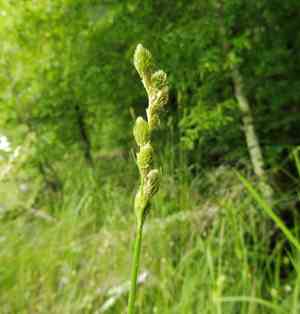
A perennial that thrives in damp conditions, broadwing sedge displays graceful, wide leaves. To sustain its vitality, remove any deceased or desiccated foliage in early spring prior to the onset of new growth, or during its dormant period in winter. Cut back the aged leaves to the soil surface, which encourages the emergence of vigorous new stems. Consistent trimming prevents excessive density and deterioration, fostering strong development. Pruning after the plant has seeded can manage its proliferation, thereby safeguarding the garden's visual appeal and the distinctive shape of broadwing sedge.
Advantages of Trimming Broadwing Sedge
Advantages of Trimming Broadwing Sedge
Trimming broadwing sedge aids in maintaining its desired shape and dimensions, fostering robust development by eliminating old or overly dense foliage, thereby ensuring superior air circulation and light penetration.
Optimal Time for Pruning Broadwing Sedge
Optimal Time for Pruning Broadwing Sedge
Pruning broadwing sedge in early spring is ideal as it precedes the new growth cycle. This timing allows for the removal of any dead or damaged winter foliage, promoting healthier, more vigorous spring growth without depleting the plant's energy reserves. Additionally, trimming broadwing sedge in winter, particularly late winter, can be beneficial since the plant is dormant. Pruning during this period minimizes stress on broadwing sedge and lowers the risk of disease transmission, as many pathogens are inactive in cold weather. It also provides broadwing sedge with a fresh start for strong growth once temperatures rise. These seasons are recommended because they align with broadwing sedge's natural dormancy and pre-growth phases, ensuring the plant's vitality and aesthetic form are preserved without disrupting its normal development or blooming cycle.
Necessary Tools for Pruning Broadwing Sedge
Hand Pruners
For precise trimming and shaping of broadwing sedge, hand pruners are perfect. They enable accurate cuts, which is crucial for preserving the plant's health and look.
Grass Shears
Given that broadwing sedge is a sedge, grass shears are well-suited for cutting back larger clumps uniformly and neatly, which is useful during seasonal clean-up.
Gardening Gloves
Wearing gloves is vital during pruning to safeguard hands from sharp edges and potential skin irritants present in plant material.
How to Prune Broadwing Sedge
Clean tools
Before starting the pruning process, sanitize all cutting implements to prevent disease spread. Use a bleach or alcohol solution to wipe down shear or scissor blades.
Identify
Inspect broadwing sedge closely to pinpoint diseased leaves, identifiable by discoloration or decay, and withered leaves, which appear dry and lifeless. These are the parts that need pruning.
Snip diseased
Using the sterilized cutting tools, carefully snip off diseased leaves at their base where they meet healthy tissue. Make clean cuts to avoid harming broadwing sedge's remaining healthy sections.
Remove withered
For withered leaves, cut at the leaf's base where it emerges from the root clump. Avoid pulling to prevent damage to broadwing sedge's root system.
Dispose
Properly dispose of the removed diseased and withered leaves, away from the garden area, to prevent the spread of any potential pathogens or pests.
Common Pruning Errors with Broadwing Sedge
Overpruning
Removing excessive foliage from broadwing sedge can stress the plant, impede its growth, and diminish its vigor.
Cutting too close
Trimming broadwing sedge stems too near the crown can harm the plant's growth points, potentially affecting future development.
Pruning during active growth
Trimming broadwing sedge during its active growth phase can disrupt its natural cycle and may lead to poor plant health.
Using dull tools
Employing dull pruning shears or scissors can create jagged cuts that are more vulnerable to disease and pest infestations.
Neglecting to prune
Failing to regularly prune broadwing sedge to remove dead or damaged foliage can result in unattractive clumps and may compromise the plant's overall health.
General Pruning Advice for Broadwing Sedge
Clean cuts
Ensure the use of sharp, clean tools to make precise cuts on broadwing sedge that will heal quickly, reducing disease risk.
Dead foliage removal
Regularly remove dead or yellowing foliage to maintain broadwing sedge's health and appearance, encouraging new growth.
Thinning out
Thin out dense broadwing sedge clumps to enhance air circulation, which can help prevent disease and pests while promoting stronger growth.
Reshaping
Gently reshape broadwing sedge for aesthetic purposes, but avoid severe pruning that could stress the plant and alter its natural form and growth habit.
Post-flowering trimming
After broadwing sedge has bloomed, trimming back spent flower stalks can encourage a neater appearance and potentially contribute to a second bloom under certain conditions.



