How to Transplant Large toothwort?
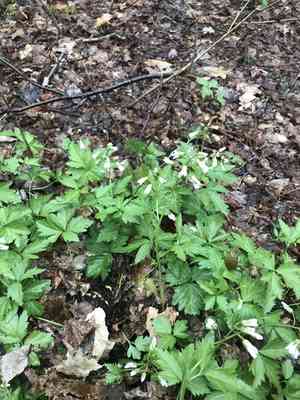
Large toothwort flourishes when relocated from early to mid-spring, preferring abundant humidity and adequately draining soil in dappled light. Should it be necessary, confirm that the root system stays undisturbed to lessen transplant stress.
Preparations Required Before Relocating Large Toothwort
Optimal Period for Relocating Large Toothwort?
Large toothwort, a perennial, is best moved from the beginning to the end of spring. This timing allows it to benefit from warmer soil and increased daylight, fostering strong root development and growth. Transplanting during this window boosts its resilience and flowering potential, ensuring a healthy transition and maximizing its growth prospects before summer's heat.
Recommended Spacing Between Large Toothwort Plants?
Position large toothwort approximately 18-24 inches (45-60 cm) apart to provide ample room for growth without overcrowding. This spacing ensures each plant receives sufficient air circulation and resources.
Ideal Soil Blend for Large Toothwort Relocation?
Prepare soil that drains well and is enriched with compost or organic material. Large toothwort prefers soil that is slightly acidic to neutral. Incorporate a balanced base fertilizer with equal parts nitrogen, phosphorus, and potassium prior to planting.
Where to Replant Your Large Toothwort?
Select a spot that receives partial to full shade. Large toothwort thrives in filtered light or areas that get morning sun and afternoon shade. Avoid locations with intense, direct sunlight throughout the day.
Equipment Needed Before Transplanting Large Toothwort
Gardening Gloves
To safeguard your hands while handling soil and plants.
Hand Trowel
For digging and lifting the plant from its original spot.
Shovel or Spade
To excavate a hole in the new site and aid in removing the plant from the ground.
Watering Can or Hose
To hydrate the plant before and after its relocation.
Organic Mulch
To help retain moisture and prevent weeds around the newly transplanted specimen.
Method for Extracting Large Toothwort from the Soil?
Method for Extracting Large Toothwort from the Soil?
From Ground: First, moisten the large toothwort plant to dampen the soil. Then, dig a wide trench around the plant using a shovel or spade, ensuring the plant's root ball remains intact. Carefully work the spade beneath the root ball to lift the plant from its original location.From Pot: Thoroughly water the large toothwort plant. Gently tilt the pot on its side and tap the bottom to loosen the root ball. Carefully slide the plant out, supporting the root ball from its base.From Seedling Tray: Lightly water the large toothwort in the tray to facilitate root removal. Use a hand trowel to gently pry up the plant, holding it lightly between your fingers by the base to avoid damaging the delicate roots.
Detailed Instructions for Transplanting Large Toothwort
Site Preparation
Dig a hole in the new location that is twice as wide and slightly deeper than the root ball of your large toothwort. This ensures ample space for roots to spread comfortably.
Plant Placement
Position the large toothwort in the hole, making sure the top of the root ball is level with or slightly above the surrounding soil. This provides a good starting point for the plant to adjust to its new environment.
Backfilling
Fill the hole with soil, gently pressing it around the root ball to eliminate air pockets. Be careful not to over-compact the soil as it needs to remain aerated.
Watering
Thoroughly water the transplanted large toothwort to help settle the soil and provide moisture to the plant as it acclimates to its new location.
Mulching
Apply a 2-3 inch layer of organic mulch around the base of the large toothwort, but ensure the mulch is kept away from the stem to prevent rot.
Post-Transplant Care for Large Toothwort
Watering
Maintain consistent moisture in the soil around the large toothwort, avoiding sogginess, for the initial weeks after transplanting to aid in strong root establishment.
Monitoring
Regularly inspect the large toothwort for any indications of transplant shock, such as wilting or yellowing leaves, and provide additional care as necessary.
Pruning
Remove any damaged or dead foliage to redirect energy towards new growth and root development.
Resolving Common Issues with Large Toothwort Transplantation.
When is the best time to transplant large toothwort?
The ideal period for relocating large toothwort is from early spring to late spring.
How much space should I leave between transplants?
Space large toothwort plants 18-24 inches (45-60 cm) apart for healthy development.
What type of soil is best for large toothwort?
Large toothwort thrives in well-draining, fertile soil rich in organic matter.
Should I water large toothwort immediately after transplanting?
Yes, provide large toothwort with a thorough watering to help it settle in its new spot.
How deep should I plant large toothwort?
Plant large toothwort at the same depth it was previously growing, typically 1-2 inches (2.5-5 cm).
What should I do if large toothwort looks wilted after transplanting?
Ensure consistent moisture and offer shade for a few days to lessen transplant shock.
Is mulching recommended for large toothwort after transplanting?
Mulch around large toothwort with 2-3 inches (5-7.5 cm) of organic material to retain moisture and suppress weeds.
What can I do to help large toothwort establish faster?
Utilize a root stimulant or diluted seaweed extract to encourage quicker establishment.
How soon can fertilization be done after transplanting large toothwort?
Wait approximately 2-3 weeks before applying a balanced fertilizer to newly transplanted large toothwort.
Can large toothwort be transplanted in direct sunlight?
Initially, provide partial shade to minimize transplant shock; gradually move to desired sunlight exposure.



