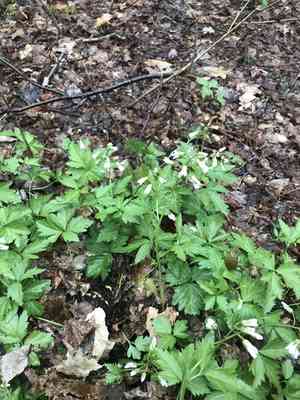
Large toothwort (Cardamine maxima)
Also known as: Large Toothwort
Large toothwort (Cardamine maxima) is a perennial herb notable for its smooth, heart-shaped basal leaves. It thrives in damp, shaded environments such as deciduous forests and along stream edges. This plant flourishes in rich, well-drained soil, where it sends up tall, slender stems topped with clusters of white, four-petaled flowers. Its ability to seed abundantly in these moist understory conditions aids in its growth and spread.
In This Article
Attributes of Large toothwort
Lifespan
Perennial
Plant Type
Herb
Plant Height
0 mm to 91 cm
Spread
N/A
Leaf Color
Green
Flower Size
2-3 cm
Flower Color
White
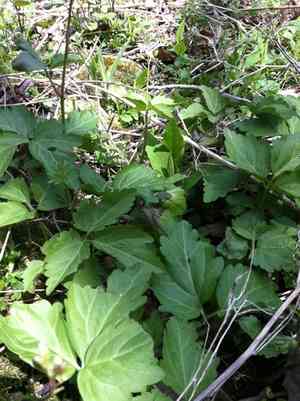
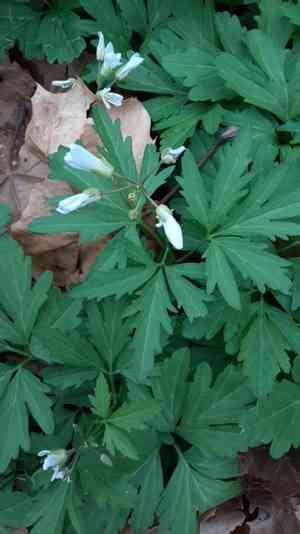
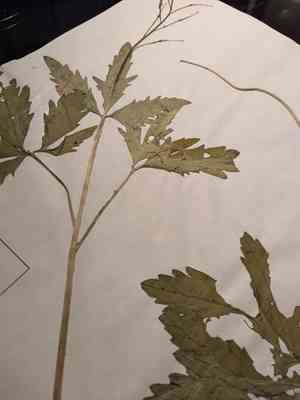
Images of Large toothwort
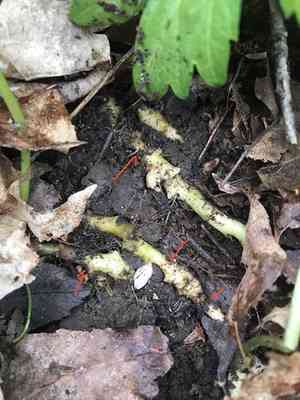
Quickly Identify Large toothwort
1
Large toothwort can be identified by its distinctive white flowers, usually with four petals, and its pinnate leaves with deeply lobed segments. The plants typically grow to about 30-60 cm in height and often form dense colonies.
Scientific Classification of Large toothwort
Phylum
Vascular plants
Class
Dicotyledons
Order
Brassicales
Family
Cruciferae
Genus
Bittercresses
Species
Large toothwort
Planting and Growing of Large toothwort
Care Difficulty
Moderate
Watering Schedule
Every 3 days
Sunlight Requirements
Partial sun
Sunshine Duration
6-10 hours
Ideal Temperature
60-70℉
Soil Type
Potting Mix, Peat Mix
Soil pH
6.5-7.5
Fertilizer Type
Balanced
Pruning Season
Spring, Summer
Pruning Area
Branches, Leaves
Pruning Frequency
2 times a year
Repotting Season
Spring
Pot Type
Plastic, Ceramic
 How to Water Large toothwort?
For Cardamine maxima, the watering amount should be guided by the principle of moist yet well-drained soil. Each watering session should supply around 200 milliliters of water, soaking the soil thoroughly but avoiding waterlogging. The water should permeate the top layer of the soil without creating standing water, supporting healthy root growth.
What are the symptoms of an underwatered Large toothwort?
›
What should I do if my Large toothwort is not getting enough water?
›
What are the symptoms of an overwatered Large toothwort?
›
How to save an overwatered Large toothwort?
›
 What Are the Sunlight Requirements for Large toothwort?
Partial sun ensures Cardamine maxima thrives, promoting balanced growth and preventing common issues like leaf scorch. Ideal conditions enable optimal photosynthetic activity.
What is the best location for Cardamine maxima?
›
How can I improve lighting for Cardamine maxima indoors?
›
Why is ideal lighting crucial for Cardamine maxima?
›
 What Is the Ideal Temperature Range for Large toothwort?
The ideal temperature range for Cardamine maxima is between 60°F and 70°F. Within this range, the plant is able to photosynthesize efficiently, maintain balanced transpiration, and foster optimal growth. Temperature stability within this range ensures the plant's cellular processes are not stressed, leading to healthy foliage and robust structural development.
 What Soil is Best for Large toothwort?
Cardamine maxima thrives in well-drained soils. Such soils prevent waterlogging, allowing roots to breathe and access nutrients efficiently, promoting healthy growth. This plant prefers soils that retain adequate moisture without becoming soggy. Consistent soil moisture encourages vigorous leaf and flower development. A high nutrient content in the soil supports robust growth. Loamy soils usually provide a balanced blend of silt, sand, and clay, offering essential nutrients and improving plant vitality.
 How to Fertilize Large toothwort?
When fertilizing Cardamine maxima, it's crucial to strike a balance to encourage healthy growth. Use liquid fertilizers in moderation, about 15ml (half an ounce) per gallon of water, ensuring not to overfeed the plant as it can lead to nutrient burn. For slow-release fertilizers, a light sprinkle equivalent to a tablespoon per square foot around the base of the plant suffices. This ensures the plant receives a steady nutrient supply without overwhelming it.
 How to Prune Large toothwort?
Ensure your pruners are clean and sharp to make precise cuts and prevent disease spread. Use hand pruners for small, precise cuts and shears for larger clumps of the plant. Begin by removing any brown or withered leaves and stems. This allows the plant to focus its energy on healthy growth and prevents the spread of potential disease. Carefully cut back areas where the plant has grown too densely, focusing on stems that are crowding each other. This will enhance light penetration and air circulation. Cut back the plant to create a more uniform shape, ensuring that you respect its natural form to maintain its aesthetic appeal.
More About Pruning Techniques→
 How to Propagate Large toothwort plant?
1
Sow the seeds into a seed tray filled with moist, well-draining soil. Lightly cover them with soil and keep the tray in a warm, sunny location to facilitate germination. Ensure to water lightly and maintain consistent moisture.
2
Using a garden fork, carefully lift the plant and gently divide the roots into sections. Ensure that each section has a healthy root system. Transplant each section into a pot or directly into the ground.
3
Regularly monitor the growth of seedlings or divisions. Ensure they receive ample sunlight and water. Adjust their environment as necessary to promote healthy development.
 How to Repot Large toothwort plant?
1
Repot Cardamine maxima when you notice root-bound conditions, like roots emerging from the bottom of the pot or stunted growth. These signals indicate the plant needs a bigger space to grow, usually every couple of years or when growth visibly slows down.
2
Select a pot that's one size larger than the current one, with ample drainage holes. This allows for proper water drainage and root expansion, preventing issues such as waterlogging and root rot, and promotes healthier plant growth.
3
Choose a well-drained loamy mix with a good balance of organic matter. This type of soil ensures that water can flow through without stagnating, supports root health, and provides essential nutrients for robust growth.



