How to Prune Large toothwort?
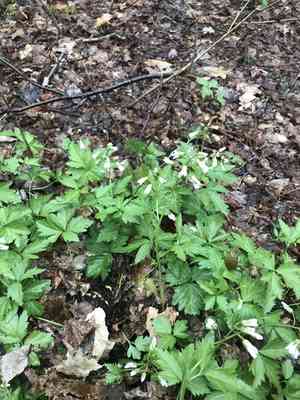
Distinguished by its unique serrated foliage and blossoms appearing in early spring, large toothwort thrives with trimming performed in late winter or early spring. Eliminate any deceased or compromised stalks to stimulate robust development and more abundant flowering. Discarding aged leaves can avert ailments and boost air movement. Effective pruning aligns with the plant's developmental rhythm, nurturing vivid flowers during its blooming period. Adhere to maintenance instructions regarding scheduling to preserve the plant's general health and visual attractiveness.
What Are the Benefits of Pruning Large Toothwort?
What Are the Benefits of Pruning Large Toothwort?
Trimming large toothwort promotes robust development, maintains its form, enhances blooming, and improves its overall look. It also aids in size management and disease prevention. Regular trimming boosts plant vitality and ensures a neat garden presence.
What Is the Best Time for Pruning Large Toothwort?
What Is the Best Time for Pruning Large Toothwort?
Trimming or cutting back large toothwort in early spring or late winter is optimal, as the plant is either dormant or just emerging from dormancy. This timing minimizes stress and allows for rapid recovery. During these periods, the plant has not yet begun its active growth or flowering phase, which typically occurs later in spring. Pruning at this time encourages healthy growth and helps shape the plant effectively without disrupting its natural cycle. Additionally, removing any dead or damaged sections before the active growing season helps improve the plant's overall health and vigor.
What Tools Do I Need to Prune Large Toothwort?
Hand Pruners
Perfect for making clean cuts on large toothwort's slender stems and delicate leaves without causing harm.
Snips
Useful for precise trimming of smaller growth and removing spent flowers, which encourages new blooms.
Pruning Knife
Helps to carefully trim around the base if necessary, especially useful for dividing the plant.
How to Prune Large Toothwort
Assess
Examine the large toothwort thoroughly to identify any diseased or withered leaves that require removal. This ensures you are targeting only the necessary parts for pruning.
Tool Prep
Clean and sanitize pruning shears or scissors with a solution of one part bleach to nine parts water to prevent the spread of disease.
Diseased Removal
Carefully cut back any diseased leaves at their base, making clean, angled cuts to promote healing and reduce the chance of further infection.
Withered Removal
Trim away withered leaves, following each stem down to the first healthy node or joint and making a precise cut just above this point.
Disposal
Collect and properly dispose of all removed leaves to prevent disease from spreading to other parts of the plant or garden area.
Common Pruning Mistakes with Large Toothwort
Improper Technique
Using dull or unsuitable tools can lead to jagged cuts that invite disease and pests. Always use clean, sharp pruning shears.
Pruning Too Much
Excessive pruning can stress large toothwort, reducing its ability to flower and thrive. Limit pruning to only necessary sections.
Incorrect Timing
Pruning at the wrong point in the growth cycle can hinder the plant's development and disrupt blooming.
Ignoring Dead or Diseased Parts
Failing to remove dead or diseased parts can impede growth and spread illness to healthy sections.
Leaving Stubs
Not cutting close enough to the main stem or branch, leaving stubs that can decay and become entry points for diseases.
Common Pruning Tips for Large Toothwort
Use the Right Tools
Always use clean, sharp pruning shears to make clean cuts. Disinfect tools between cuts if there are signs of disease.
Prune Sparingly
Remove no more than 25% of the plant at one time. Focus on removing damaged, dead, or diseased parts first.
Cuts to Promote Health
Make cuts just above a node or a bud, ensuring you do not leave stubs. This encourages healthy regrowth and prevents disease.
Inspect Regularly
Regularly inspect large toothwort for signs of disease or damage and prune as needed to maintain plant health and appearance.
Promote Air Circulation
Thin out dense areas of the plant to improve air circulation, reducing risks of fungal infections and encouraging more robust growth.



