How to Propagate Large toothwort?
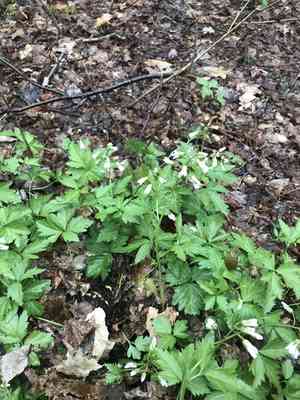
Cardamine diphylla, a perennial member of the mustard family, flourishes in damp woodlands. For effective propagation via seeding, utilize newly harvested seeds and plant them in a well-draining, organic-rich substrate. Maintaining adequate soil hydration aids in successful sprouting. Use seed flats for enhanced management and subsequently transplant young plants cautiously to prevent damage to their root systems.
Optimal Period for Large Toothwort Propagation
Propagation Method
Seeding
Propagation Period
Spring
Equipment for Large Toothwort Propagation
Seed Tray
Seed trays are vital for initiating seedlings in a controlled setting. For large toothwort, they offer a stable base for initial development and simplify monitoring of seedling progress.
Potting Mix
A well-draining potting mixture is essential for large toothwort to prevent waterlogging and encourage robust root growth. Ensure the blend is rich in organic matter to aid nutrient absorption.
Seed Starting Heat Mat
Maintaining an ideal soil temperature is crucial for large toothwort germination. A heat mat provides consistent warmth, significantly boosting germination rates.
Humidity Dome
Humidity domes help retain moisture and create a microclimate that enhances seed germination for large toothwort. This tool ensures seeds stay damp without direct watering, which could dislodge them.
Spray Bottle
A spray bottle allows for gentle misting of the seedling soil surface. For large toothwort, it helps maintain the necessary moisture level without disturbing the seeds or young plants.
Labeling Stakes
Labeling stakes are important for tracking different seed batches. For propagating large toothwort, they assist in identifying age and variety, which is critical for proper care and observation.
Fine Mesh Sieve
Using a fine mesh sieve ensures the potting mix is free of large particles that could impede the delicate roots of large toothwort seedlings. It maintains soil consistency for better root penetration.
Hand Trowel
A hand trowel is useful for transplanting large toothwort seedlings once they are ready for larger containers or the garden. It minimizes root disturbance during the process.
Sterilization Agent
A sterilization agent helps sanitize seed trays, pots, and tools to prevent disease spread. This is especially important for large toothwort to avoid fungal and bacterial infections.
Grow Lights
If natural light is insufficient, grow lights can provide the necessary light spectrum for healthy large toothwort seedling growth, fostering strong and vigorous plants.
How to Propagate Large Toothwort?
Propagation Type
Simple
Caring for Your Newly Propagated Large Toothwort
Caring for Your Newly Propagated Large Toothwort
Post-transplant, ensure large toothwort receives partial shade and consistent moisture. Apply mulch around plants to retain soil moisture and suppress weeds. Regularly check for pests and diseases, and use organic fertilizers during the growing season to support healthy development.
Common Errors to Avoid When Propagating Large Toothwort
Overwatering
Excessive moisture can lead to root rot and fungal issues, which can be detrimental to large toothwort's growth and propagation success.
Improper Soil
Using heavy, poorly draining soil can suffocate roots and impede growth. Large toothwort prefers moist but well-draining soil.
Lack of Light
Providing insufficient light can weaken the plant, leading to poor health and unsuccessful propagation. Large toothwort requires partial to full shade to thrive.
Incorrect Cutting Technique
Improper cutting methods can harm the plant and reduce the chances of successful propagation. Using dull tools can cause ragged cuts prone to infection.
Tips For Propagating Large Toothwort
Use Well-Draining Soil
Ensure the planting medium drains effectively to prevent waterlogging, which supports healthy root development.
Maintain Moderate Moisture
Keep the soil consistently damp but not saturated to encourage root growth and prevent rot.
Provide Partial Shade
Large toothwort thrives in partial to full shade, so ensure it receives adequate but not excessive light.
Use Sharp, Sterile Tools
Use clean, sharp tools when taking cuttings or dividing the plant to promote clean cuts and reduce the risk of disease.



