How to Transplant Limestone bittercress?
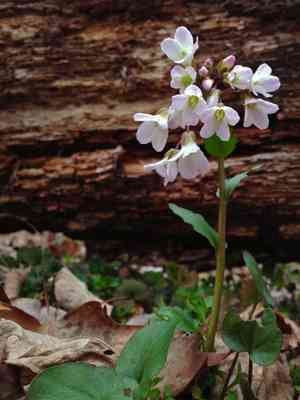
The optimal period for relocating limestone bittercress spans from the onset of early spring's thaw until the brink of summer, capitalizing on its revitalized energy. Select a location offering filtered sunlight or partial shade, guaranteeing adequately draining earth. Should limestone bittercress exhibit thick growth, carefully divide it for more robust proliferation.
What Preparations are Needed Before Transplanting Limestone Bittercress?
What is the Ideal Time for Transplanting Limestone Bittercress?
The optimal period to move limestone bittercress spans from early spring's awakening until summer's approach. This timeframe provides mild temperatures and consistent moisture, ideal for limestone bittercress's root development. Relocating during this season leverages the growth surge from longer days, significantly benefiting limestone bittercress's health and vitality. Additionally, soil conditions and warmth at this time promote rapid root growth. Trust that this is when limestone bittercress will thrive underground!
How Much Space Should You Leave Between Limestone Bittercress Plants?
To ensure limestone bittercress plants flourish, allow adequate room between each. Aim for a comfortable spacing of approximately 6-12 inches (15-30 cm) apart. This provides sufficient area for growth without competition for essential resources.
What is the Best Soil Mix for Limestone Bittercress Transplanting?
For limestone bittercress, a rich, well-draining soil mixture is preferred. Incorporate compost to enrich the soil. A balanced, slow-release fertilizer will further support healthy root development.
Where Should You Relocate Your Limestone Bittercress?
Consider limestone bittercress as plants that prefer partial shade. Select a location that receives filtered sunlight or partial shade. They will thrive away from intense midday sun. A north-facing garden spot could become their preferred habitat!
What Equipments Should You Prepare Before Transplantation Limestone Bittercress?
Gardening Gloves
To safeguard your hands while handling soil and limestone bittercress.
Trowel
For excavating small holes and gently loosening soil around the limestone bittercress's root ball.
Spade or Shovel
For digging larger holes and lifting the root ball if limestone bittercress is being removed from the ground.
Watering Can or Hose
To hydrate limestone bittercress both before and after relocation.
Pruning Shears
To trim any dead or excessive foliage prior to transplanting.
Wheelbarrow or Plant Caddy
For moving limestone bittercress if it is large or heavy.
Mulch
To aid in retaining soil moisture around limestone bittercress post-transplant.
How Do You Remove Limestone Bittercress from the Soil?
How Do You Remove Limestone Bittercress from the Soil?
From Ground: First, moisten the soil around limestone bittercress. Then, dig a wide circle around the plant using a spade or shovel, ensuring the root ball remains intact. Carefully slide the tool beneath the root ball to lift the plant from its current spot.From Pot: Hydrate limestone bittercress to loosen the soil. Turn the container on its side and gently tap or squeeze it to free the root ball. Carefully ease the plant out, avoiding pulling, to preserve the root system.From Seedling Tray: Water the soil to make it damp. Use a trowel or your fingers to carefully extract the seedling from its compartment, aiming to keep as much soil as possible around the roots for support during the move.
Step-by-Step Guide for Transplanting Limestone Bittercress
Preparation
Gather all necessary tools and ensure the transplant site is ready as previously advised.
Root Ball
Thoroughly water limestone bittercress before beginning to ensure soil adheres to the roots and minimizes transplant shock.
Excavation
Depending on its original location, carefully remove limestone bittercress from the ground, pot, or seedling tray using the appropriate method described earlier.
Hole Size
Dig a hole at the new location that is twice the width of limestone bittercress's root ball and the same depth to allow ample room for root expansion.
Placement
Gently position limestone bittercress in the center of the hole, ensuring it sits at the same depth it was previously growing. The top of the root ball should be level with the surrounding soil.
Backfilling
Carefully refill the hole with soil, lightly patting it down to remove large air pockets, which can dehydrate roots.
Watering
Water limestone bittercress deeply immediately after transplanting to help settle the soil around the roots and initiate the establishment process.
Mulching
Apply a layer of mulch around the base of limestone bittercress to conserve moisture and regulate soil temperature.
How Do You Care For Limestone Bittercress After Transplanting?
Watering
For several weeks post-transplantation, maintain consistent soil moisture around limestone bittercress by watering deeply when the top inch of soil feels dry.
Mulching
Maintain a layer of mulch around limestone bittercress to assist with water retention and weed control without covering the plant's base.
Pruning
Remove any damaged or withered leaves to help limestone bittercress conserve energy for root establishment and new growth.
Observation
Regularly inspect limestone bittercress for any indications of stress, such as wilting or discolored foliage, and address them as needed.
Support
If limestone bittercress is tall or susceptible to wind damage, consider staking or providing some form of support to prevent breakage or leaning.
Troubleshooting Common Issues with Limestone Bittercress Transplantation.
What's the best time to transplant limestone bittercress?
Relocate limestone bittercress during early to late spring for optimal root establishment.
How much space does limestone bittercress need when transplanting?
Allow limestone bittercress ample room by spacing them 6-12 inches (15-30 cm) apart.
Why is my limestone bittercress wilting after transplanting?
Wilting may be due to transplant shock. Ensure proper hydration and initially avoid direct, intense sunlight.
Should I fertilize limestone bittercress after transplanting?
Wait a few weeks before fertilizing to allow limestone bittercress to acclimate to its new environment.
Can I transplant limestone bittercress on a hot day?
Avoid hot days for transplanting. Choose a cooler, overcast day to minimize stress on limestone bittercress.
How deep should I plant limestone bittercress?
Plant limestone bittercress at the same depth it was growing in its previous location for best results.
Why are limestone bittercress's leaves turning yellow?
Yellowing leaves might indicate overwatering or poor drainage. Adjust your watering schedule accordingly.
How do I prepare the soil for limestone bittercress?
Enrich the soil with compost to enhance fertility and drainage before transplanting limestone bittercress.
What should I do if the roots of limestone bittercress are bound?
Gently separate the roots to encourage spreading and growth in the new spot.
How often should I water limestone bittercress post-transplant?
Keep the soil consistently moist but not waterlogged, with more frequent watering immediately after transplanting.



