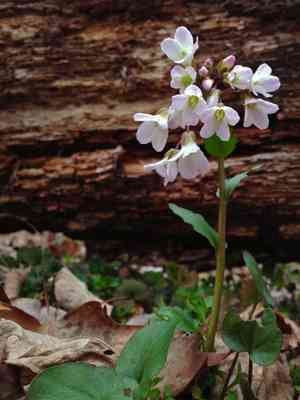
Limestone bittercress (Cardamine douglassii)
Also known as: none
Limestone bittercress (Cardamine douglassii), also known as purple cress or pink spring cress, is native to the central and eastern United States. This plant features a basal leaf that remains through winter but falls away as spring brings new growth.
In This Article
Attributes of Limestone bittercress
Lifespan
Perennial
Plant Type
Herb
Plant Height
30 cm
Spread
N/A
Leaf Color
Green Blue
Flower Size
2.5 cm
Flower Color
White Pink Purple
Images of Limestone bittercress
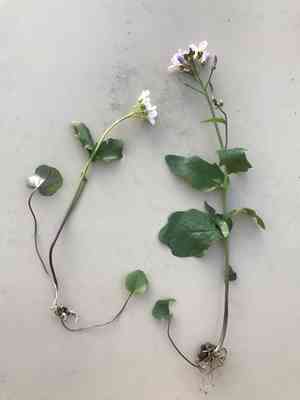
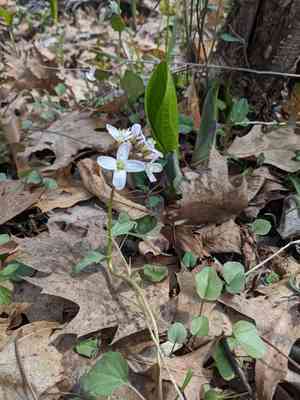
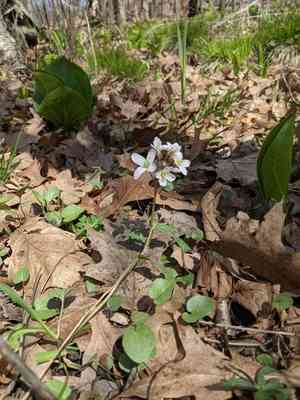
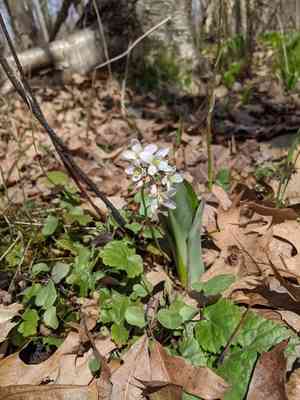
Quickly Identify Limestone bittercress
1
This plant can be identified by its purple, four-petaled flowers that bloom in early spring. The leaves are compound with three leaflets, each leaflet being oval or oblong in shape.
Scientific Classification of Limestone bittercress
Phylum
Vascular plants
Class
Dicotyledons
Order
Brassicales
Family
Cruciferae
Genus
Bittercresses
Species
Limestone bittercress
Planting and Growing of Limestone bittercress
Care Difficulty
Easy
Watering Schedule
Every 4 days
Sunlight Requirements
Partial sun
Sunshine Duration
4-8 hours
Ideal Temperature
60-75℉
Soil Type
Potting Mix, Peat Mix
Soil pH
6.5-7.5
Fertilizer Type
Balanced
Pruning Season
Spring, Summer
Pruning Area
Branches, Leaves
Pruning Frequency
2 times a year
Repotting Season
Spring
Pot Type
Plastic, Terracotta
 How to Water Limestone bittercress?
Cardamine douglassii requires a moderate amount of water. The goal is to keep the soil consistently moist but not waterlogged. You'll want to ensure the top 1 to 2 inches of soil remain damp. Typically, watering with 250 milliliters each time is optimal. Ensure that the drainage is excellent so any excess water can escape and the roots do not sit in water.
What are the symptoms of an underwatered Limestone bittercress?
›
What should I do if my Limestone bittercress is not getting enough water?
›
What are the symptoms of an overwatered Limestone bittercress?
›
How to save an overwatered Limestone bittercress?
›
 What Are the Sunlight Requirements for Limestone bittercress?
Cardamine douglassii thrives in partial sun or full shade environments. Ideal light conditions bolster healthy growth, lush foliage, and robust resilience against environmental stressors.
More About Sunlight Requirements Techniques→
How much light is ideal for Cardamine douglassii?
›
What solutions are available for providing the ideal light?
›
What are the benefits of ideal light conditions for Cardamine douglassii?
›
 What Is the Ideal Temperature Range for Limestone bittercress?
The ideal temperature range for Cardamine douglassii is between 60°F and 75°F. This range provides optimal conditions for growth, ensuring adequate enzyme activity and cellular functions without stress.
 What Soil is Best for Limestone bittercress?
Cardamine douglassii thrives in soil that retains adequate moisture. This feature ensures that the plant remains hydrated, supporting healthy growth and vibrant green foliage. A nutrient-rich loam soil benefits Cardamine douglassii, supplying essential minerals and nutrients for robust growth. Fertile soil contributes to the plant's overall health and flowering performance. While retaining moisture, Cardamine douglassii also requires soil with good drainage to prevent waterlogging. Well-draining soil helps to avoid root rot and ensures a healthy root system.
 How to Fertilize Limestone bittercress?
For Cardamine douglassii, it is important to follow the instructions on the fertilizer package, but a light hand is generally preferred. An application of liquid fertilizer should not exceed 1/4 teaspoon per gallon of water. Slow-release fertilizers should be used sparingly, with light sprinkle over the soil surface, approximately 2 grams per plant.
 How to Prune Limestone bittercress?
Begin by sterilizing your pruning shears to prevent disease transmission. Identify any dead or damaged stems and remove them entirely, cutting at a 45-degree angle to promote healing. Trim back leggy growth to encourage a bushier form, focusing on cutting just above a leaf node. For maintaining shape, take off no more than one-third of the plant at a time to avoid shocking it. Finish by cleaning up fallen leaves and debris around the plant base.
More About Pruning Techniques→
 How to Propagate Limestone bittercress plant?
1
Start with fresh seeds collected from mature Cardamine douglassii plants. Clean the seeds to remove any debris and store them in a cool, dry place until you are ready to plant them. This step helps ensure good germination rates.
2
Fill your seed tray with a well-draining potting mix and lightly press the seeds onto the surface. Cover them with a thin layer of soil. Water gently to moisten but not saturate the soil. Place the seed tray in a location with indirect sunlight.
3
In early spring, carefully dig around the mature plant, lifting it out of the ground. Use a sharp knife or spade to divide the plant into smaller sections, making sure each section has roots attached. Replant the divided sections in prepared soil.
 How to Repot Limestone bittercress plant?
1
Cardamine douglassii signals it needs repotting when the roots start circling the pot, the growth becomes stunted, or water doesn't drain efficiently. These signs often indicate that the plant has outgrown its current pot, requiring more space to flourish. Ideally, pick early spring or autumn for repotting, as this allows the plant time to recover and establish before the extremes of summer or winter.
2
Select a pot that is one to two inches larger in diameter than the current one. This size ensures the roots have room to expand without excess soil that retains too much moisture. Opt for pots with drainage holes to prevent waterlogging, which benefits the plant by promoting healthier root growth and preventing root rot.
3
Use well-draining loamy soil to provide the perfect balance of moisture retention and drainage. This type of soil offers the plant essential nutrients while preventing water buildup, which can lead to root rot. The organic content supports ongoing growth, while the loamy mix ensures roots breathe easily.
Learn More About Limestone bittercress Diseases
Anthracnose
Bacterial Leaf Spot
Bacterial Soft Rot
Clubroot
Damping-off
Downy Mildew
Drought Stress
Fusarium Wilt
Gray Mold
Leaf Spot
Mosaic
Nutrient Deficiency
Nutrient Toxicity
Powdery Mildew
Root Rot
Root-knot Nematode
Rusts
Sooty Mold
Spider Mites
Temperature Stress
Thrips Damage
White Mold
Chemical Injury



