The Limestone bittercress Plant Advantage: Maximizing Home and Office Appeal and Wellness
1
Limestone bittercress flourishes in soils abundant in limestone, setting it apart from other flora.
2
This botanical specimen draws advantageous pollinators to your cultivated space.
3
Its early flowering period can act as a crucial sign of shifts in the seasons.
What Makes Limestone bittercress Unique?
Soil Condition Versatility
Limestone bittercress exhibits a distinct preference for calcium carbonate-rich soils, positioning it as an ideal plant for regions possessing such geological traits. This adaptability means that even in less-than-optimal soil conditions, Limestone bittercress can flourish and provide numerous advantages. Furthermore, its capacity to thrive in diverse settings broadens its appeal to a wider array of gardeners.
Inherent Beauty and Flowers
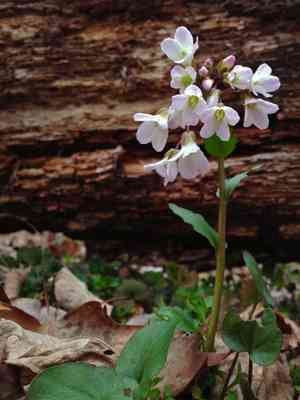
A prominent characteristic of Limestone bittercress is its delicate flowers, which can introduce a splash of color to your garden during its flowering period. The blooms not only captivate the eye but also function as a vital nectar source for various pollinators. Additionally, the aesthetically pleasing nature of this plant makes it a favorite among gardeners aiming to enhance their outdoor spaces.
How Does Limestone bittercress Benefit the Ecosystem?
Attracting Beneficial Insects
Limestone bittercress is known to draw in a variety of helpful pollinators, including bees and butterflies. These pollinators are crucial for the health of many other plants in your garden, aiding in increased biodiversity and improving the overall ecosystem. By cultivating Limestone bittercress, you're not just adding beauty to your garden but also supporting the vital activities of these tiny garden helpers.
Supporting Local Fauna
Beyond pollinators, Limestone bittercress also offers shelter and food sources for other indigenous wildlife. Its foliage and stems can provide refuge and sustenance to various insects, which in turn become food for birds and other creatures. This interconnected network illustrates how a single plant species can play a pivotal role in maintaining ecological equilibrium.
Why Should You Consider Cultivating Limestone bittercress?
Minimal Upkeep Requirements
For those who desire a beautiful garden but lack the time for intensive labor, Limestone bittercress is an excellent option. It demands little care once established, making it perfect for both novice and experienced gardeners. This low-maintenance aspect allows you to enjoy a lush, vibrant garden without the constant need for upkeep.
Early Seasonal Change Indicator
Limestone bittercress tends to flower early in the season, serving as a natural signal of seasonal shifts. This early blooming can be particularly useful for gardeners looking to schedule other planting activities. Knowing when Limestone bittercress begins to flower can help you better plan and execute your gardening strategies for the year.
FAQs Regarding Growing Limestone bittercress
Is Limestone bittercress Simple to Grow from Seeds?
Yes, Limestone bittercress can be readily grown from seeds. It's advisable to sow the seeds in the autumn or early spring for optimal development. Ensure the soil is well-drained and rich in limestone to mimic its natural environment for best outcomes.
Can Limestone bittercress Thrive in Shaded Locations?
Limestone bittercress prefers partial to full shade, making it an excellent choice for areas of your garden that do not receive direct sunlight. However, ensure that these shaded areas still have good air circulation to prevent mildew and other potential issues.
How to Incorporate Limestone bittercress into Your Garden Design
Companion Planting Strategies
Consider pairing Limestone bittercress with other shade-loving plants such as ferns, hostas, and columbines. This combination can create a lush, multi-layered appearance in your garden, providing both visual appeal and practical advantages.
Establishing Visual Highlights
Utilize Limestone bittercress to create striking focal points in your garden beds or along pathways. Its early blooms can serve as a welcoming sign of spring, drawing the eye and delighting visitors with its natural charm.



