How to Prune Limestone bittercress?
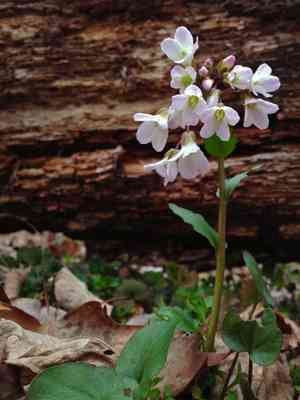
A perennial indigenous to North American calcareous areas, limestone bittercress flourishes in forest environments. Trimming withered or discolored leaves fosters robust development, ideally carried out after blooming to prevent hindering seed generation. Spring and early summer are prime times, coinciding with the plant's vigorous growth period. Meticulous removal of faded blossoms can prolong flowering and preserve visual appeal. Pruning not only sculpts the plant but can diminish the likelihood of illness by enhancing air movement around its leaves.
Advantages of Trimming Limestone Bittercress
Advantages of Trimming Limestone Bittercress
Trimming limestone bittercress promotes more robust development and helps maintain its desired form, contributing to abundant foliage and potentially more blossoms.
Optimal Pruning Period for Limestone Bittercress
Optimal Pruning Period for Limestone Bittercress
For limestone bittercress, spring pruning is ideal as it follows winter dormancy and precedes summer's rapid growth. This timing allows the plant to recover and channel energy into new growth. Selective summer pruning can manage size and remove unwanted or crowded growth without stressing limestone bittercress, as it's actively growing. Avoid fall or winter pruning, as it increases disease risk and doesn't allow sufficient healing before dormancy.
Essential Tools for Pruning Limestone Bittercress
Hand Pruners
Perfect for precise cuts on the slender, delicate stems of limestone bittercress. Bypass pruners are preferred over anvil types for cleaner cuts that don't crush stems.
Pruning Scissors
Suitable for trimming small or intricate parts of limestone bittercress, such as fine stems or leaves needing shaping or deadheading.
Gloves
To safeguard hands from any sharp parts of limestone bittercress or prevent skin irritation, high-quality gardening gloves are recommended during pruning.
How to Prune Limestone Bittercress
Sanitize tools
Before beginning, ensure all pruning tools are disinfected to prevent disease transmission to limestone bittercress or other plants. Sterilize shears with a 1:9 bleach-to-water solution, or use isopropyl alcohol.
Remove diseased leaves
Identify and carefully detach any diseased leaves from limestone bittercress by snipping them at their stem base. Avoid tearing leaves, as this can create entry points for disease.
Trim withered leaves
Locate withered or dead leaves on limestone bittercress and cut them off at the base of the leaf stem. Removing these improves air circulation and redirects energy to healthy growth.
Cut diseased stems
Prune any diseased stems on limestone bittercress, making cuts just above a healthy leaf node to encourage new, disease-free growth. Ensure cuts are clean and angled to prevent water accumulation, which can lead to rot.
Clean up
Properly dispose of all removed material by burning or bagging to prevent pathogen spread. Do not compost diseased plant parts. Clean tools again after use for future readiness.
Common Pruning Errors with Limestone Bittercress
Excessive pruning
Removing too much foliage from limestone bittercress at once can stress the plant, potentially leading to reduced vigor or even death.
Incorrect cutting technique
Using dull tools or making uneven cuts can harm limestone bittercress, leaving it susceptible to disease and pest infestations.
Neglecting to prune
Failing to remove dead or diseased foliage from limestone bittercress can hinder its growth and prevent it from thriving.
Pruning without a strategy
Random or excessive cutting without understanding limestone bittercress's growth pattern can result in a misshapen plant with poor flowering.
Ignoring plant health
Pruning limestone bittercress when it is unhealthy or stressed can worsen existing problems and impede recovery.
General Pruning Advice for Limestone Bittercress
Use sharp tools
Ensure pruning shears are clean and sharp to make precise cuts that heal quickly, minimizing stress on limestone bittercress.
Follow natural shape
Prune limestone bittercress by adhering to its natural growth habit, which promotes a more aesthetically pleasing form and healthy development.
Focus on dead or diseased growth
Regularly remove any dead or diseased foliage to maintain the health and appearance of limestone bittercress.
Prune for air circulation
Thin out crowded areas to encourage good air circulation, which can help prevent disease issues in limestone bittercress.
Be conservative
Prune no more than one-third of the plant at a time to avoid unnecessarily stressing limestone bittercress.



