How to Transplant Chinese peashrub?
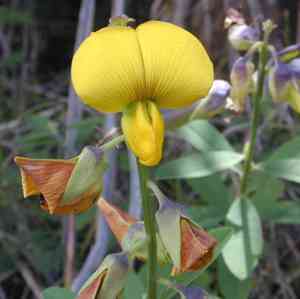
The most favorable period for relocating chinese peashrub is during the mild weather of early to late spring, allowing its root system to settle prior to the intense summer warmth. Choose locations that receive ample sunlight and possess good drainage, remembering that chinese peashrub thrives with sufficient room for development.
What Preparations are Needed Before Transplanting Chinese Peashrub?
What is the Ideal Time for Transplanting Chinese Peashrub?
The best period to move your chinese peashrub to a new spot is from the beginning of spring until the start of early summer. Relocating during this time takes advantage of mild temperatures and sufficient soil moisture, which are perfect for root establishment without the stress of harsh weather. This timing also benefits from the moisture accumulated over the preceding winter, setting the stage for robust summer growth. Following these guidelines ensures your chinese peashrub will thrive in its new environment, supported by nature's favorable conditions.
How Much Space Should You Leave Between Chinese Peashrub Plants?
When planning for chinese peashrub transplanting, aim for a spacing of approximately 6 feet to 12 feet (1.8 meters to 3.6 meters) between plants. This provides ample room for their development and prevents competition for essential resources.
What is the Best Soil Mix for Chinese Peashrub Transplanting?
Prepare a soil that drains well and is enriched with organic matter for chinese peashrub. A mild starter fertilizer can aid in root establishment. Choose a balanced, slow-release fertilizer designed for shrubs or trees, adhering to the product's instructions.
Where Should You Relocate Your Chinese Peashrub?
Select a sunny location in your garden for chinese peashrub, as they flourish in full sunlight. A spot receiving at least 6 hours of direct sun daily is optimal for encouraging healthy growth and abundant flowering.
What Equipments Should You Prepare Before Transplantation Chinese Peashrub?
Gardening Gloves
To safeguard your hands while handling soil and the plant.
Shovel or Spade
For digging and moving the rootball of chinese peashrub.
Garden Fork
To loosen the soil around the plant in its current position.
Pruning Shears
To trim any damaged roots or branches.
Watering Can or Hose
To hydrate chinese peashrub before and after its relocation.
Wheelbarrow
To transport chinese peashrub from one place to another, if required.
Mulch
To help maintain soil moisture and regulate temperature around the root area post-planting.
Stakes or Supports
For stabilizing chinese peashrub in its new spot if necessary.
Measuring Tape
To ensure correct spacing between transplanted plants.
How Do You Remove Chinese Peashrub from the Soil?
How Do You Remove Chinese Peashrub from the Soil?
From Ground: Water the chinese peashrub thoroughly to soften the surrounding soil. Use a shovel to dig a wide circle around the plant, taking care to keep the root ball intact. Gently slide the shovel underneath the root ball and lift chinese peashrub from the ground.From Pot: Water the chinese peashrub to facilitate the root ball's removal from the pot. Tilt the pot sideways and tap its edges to loosen the soil. Carefully pull the plant by its base, supporting the root ball, until it slides out.From Seedling Tray: Water the seedlings to simplify their removal. Use a garden fork to gently lift each seedling by its root ball, being cautious not to harm the roots.
Step-by-Step Guide for Transplanting Chinese Peashrub
Timing
Choose a cool, cloudy day or late afternoon to minimize stress on chinese peashrub during the transplant process.
Prepare the New Location
Dig a hole that is twice as wide and the same depth as the root ball of chinese peashrub. Improve the excavated soil with compost if it appears to lack organic matter, but avoid fertilizers at this stage.
Rootball Care
Before transplanting, ensure the root ball of chinese peashrub is moist. If it's dry, water it thoroughly an hour or two prior to the move.
Planting
Position chinese peashrub in the center of the hole. The top of the root ball should be level with the surrounding ground. Backfill around the root ball with the amended soil, gently firming it down without excessive compaction.
Watering In
Once chinese peashrub is planted, water deeply to settle the soil and eliminate any air pockets. Ensure good contact between the soil and the roots.
Staking
If chinese peashrub is tall or unstable, use stakes or supports to secure the plant until its roots can grow sufficiently to anchor it naturally.
Mulching
Apply a 2-3 inch layer of mulch around chinese peashrub, keeping it a few inches away from the stem to deter rot and pests.
How Do You Care For Chinese Peashrub After Transplanting?
Regular Irrigation
Maintain consistent moisture levels around chinese peashrub for the initial growing season, without waterlogging the soil, to encourage root development.
Checking Stakes
Inspect stakes or supports regularly and adjust as needed to prevent damage to chinese peashrub as it grows.
Monitoring for Pests and Diseases
Keep a close watch for signs of stress, pests, or diseases, especially in the first few weeks after transplant.
Seasonal Adjustments
Be mindful of changing weather conditions and adapt care accordingly, ensuring chinese peashrub receives adequate water during dry periods and protection from harsh winter conditions.
Gentle Pruning
Prune any damaged or overly long branches to promote healthy growth without unduly stressing the plant.
Troubleshooting Common Issues with Chinese Peashrub Transplantation.
When is the best time to transplant chinese peashrub?
The optimal period to transplant chinese peashrub is between early and late spring when the weather is mild.
How far apart should chinese peashrub be spaced when transplanting?
Space chinese peashrub appropriately, from 6 feet (1.8 meters) to 12 feet (3.7 meters), to ensure robust growth.
What should I consider before digging up chinese peashrub for transplanting?
Evaluate root health and size, aiming for minimal damage during excavation and sufficient space at the new site.
How do I prepare the soil for transplanting chinese peashrub?
Enrich the soil with organic matter and ensure it drains well to suit chinese peashrub's preferences.
What is the ideal depth for transplanting chinese peashrub?
Dig a hole as deep as the root ball but twice as wide, encouraging roots to spread out.
How much should I water chinese peashrub after transplanting?
Water thoroughly after transplanting to settle the soil, then maintain consistent moisture without overwatering.
Does chinese peashrub need any special care right after transplanting?
Monitor chinese peashrub closely for signs of transplant shock, providing shade and protection from strong winds.
Should I fertilize chinese peashrub after transplanting and how often?
Wait a few weeks before fertilizing to prevent burn, then follow a balanced feeding schedule.
How can I tell if chinese peashrub is suffering from transplant shock?
Symptoms include wilting, yellowing, or dropped leaves. Provide tender loving care and avoid drastic measures initially.
Are there any pests or diseases to watch for after transplanting chinese peashrub?
Be vigilant for signs of pests or disease; early detection and treatment are crucial for recovery.



