How to Prune Chinese peashrub?
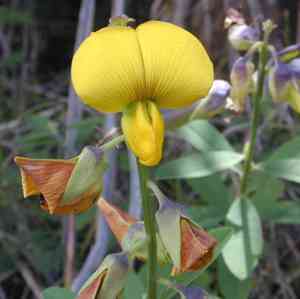
This leaf-shedding bush, prized for its capacity to fix nitrogen and its bright yellow blossoms, flourishes in diverse soil types. To achieve the best outcomes, trim chinese peashrub in late winter or early spring prior to bud emergence. Eliminate any deceased or intersecting limbs and sculpt as preferred, preserving an open, well-ventilated framework to foster well-being. Yearly removal of aged wood stimulates revitalization and blooming. Trimming boosts chinese peashrub's aesthetic charm and curbs excessive growth, guaranteeing vigor and suitability for garden design.
What Are the Benefits of Pruning Chinese Peashrub?
What Are the Benefits of Pruning Chinese Peashrub?
Trimming chinese peashrub promotes abundant flower production and boosts the plant's inherent resistance to pests and illnesses, preserving both its beauty and vitality.
What Is the Best Time for Pruning Chinese Peashrub?
What Is the Best Time for Pruning Chinese Peashrub?
Early spring and late winter are optimal times for trimming chinese peashrub for several reasons. Firstly, chinese peashrub is dormant in late winter, meaning pruning will cause minimal stress. Pruning before new growth begins in spring allows shaping and removal of dead, diseased, or damaged branches without disrupting its growth cycle. This timing also ensures energy reserves are directed towards healthy new growth once dormancy breaks. Additionally, pruning chinese peashrub in early spring, just before growth starts, can stimulate new growth at cut points, aiding in shaping and size control. This period also offers a clearer view of the plant's structure without foliage, enabling more precise cuts. However, it's crucial to complete pruning before new growth fully develops to avoid losing flowers and fruits of the upcoming season, as chinese peashrub forms buds on the previous year's growth.
What Tools Do I Need to Prune Chinese Peashrub?
Hand pruners
Chinese peashrub typically has small branches and twigs, which hand pruners can easily cut. These tools provide clean, precise cuts that encourage healthy regrowth and are perfect for maintaining the shrub’s shape.
Loppers
For slightly thicker branches that hand pruners can't manage, loppers are the next step. They offer longer handles for extra leverage, making it easier to trim thicker stems of chinese peashrub without straining the gardener's hands.
Pruning saw
When dealing with mature chinese peashrub plants that have developed thicker branches, a pruning saw is essential. It allows the gardener to remove branches too thick for loppers, ensuring clean cuts that reduce the risk of disease.
Hedge shears
For shaping the dense foliage of chinese peashrub, hedge shears are ideal. They allow for even trimming across the surface, promoting a bushier and more uniform growth.
How to Prune Chinese Peashrub
Identify
Examine chinese peashrub closely to pinpoint the parts needing trimming: diseased leaves, withered leaves, dead branches, diseased branches, withered flowers, and overly vigorous branches.
Sanitize
Before pruning chinese peashrub, thoroughly clean and disinfect your pruning tools to prevent the spread of diseases.
Cut
Use sharp pruning shears or loppers to make clean cuts on chinese peashrub. Remove diseased and withered leaves, and dead and diseased branches at their base without leaving stubs.
Shape
Trim excessive growth branches on chinese peashrub to maintain the desired form and size. Cut back just above a leaf node or a lateral branch, taking care to foster a healthy plant structure.
Cleanup
Collect and dispose of the removed plant material from chinese peashrub to prevent any diseases from spreading in the garden.
Common Pruning Mistakes with Chinese Peashrub
Over-Pruning
Removing too much foliage from chinese peashrub in one session can stress the plant, potentially leading to reduced vigor and fewer flowers. Aim to remove no more than one-third of the plant's total growth to maintain its health.
Improper Cut Location
Cutting too far from a bud or leaving a long stem when pruning chinese peashrub can lead to dieback and potential disease entry. Make cuts close to, but not directly on, the bud or branch junction to promote better healing.
Unnecessary Removal Of Old Wood
Removing old wood without reason can reduce the flowering of chinese peashrub since this species can bloom on old wood. Prune old wood only when it is dead, diseased, or causing congestion within the plant.
Ignoring Plant Shape
Randomly cutting branches without considering the natural shape of chinese peashrub can result in an unsightly appearance. Prune with the plant's natural form in mind to maintain aesthetic appeal and promote healthy growth.
Using Blunt Tools
Pruning with dull tools can create jagged cuts that are more susceptible to disease and pest infestation. Always use clean, sharp pruning shears or saws for clean cuts that heal more efficiently.
Common Pruning Tips for Chinese Peashrub
Selective Thinning
Thin out overcrowded branches to improve air circulation and light penetration within chinese peashrub. This helps to reduce the likelihood of disease and can stimulate new growth where it's most needed.
Maintenance Of The Central Leader
For chinese peashrub, maintain a strong central leader during pruning to establish a good structure, particularly for young plants. This helps chinese peashrub develop a strong framework for future growth.
Sequential Rejuvenation
If chinese peashrub requires significant rejuvenation, spread it out over a few years rather than all at once. Gradually remove the oldest, non-fruitful branches to rejuvenate the plant while maintaining its health and structure.
Post-Flowering Pruning
Prune chinese peashrub shortly after it finishes blooming to shape the plant and remove any spent flowers or seedpods, which helps encourage future flowering.
Disease And Damage Removal
Regularly inspect chinese peashrub for dead, damaged, or diseased wood and remove it promptly. This practice helps to prevent the spread of disease and insects, and supports overall plant health.



