How Much Sunlight Do Chinese peashrub Need?
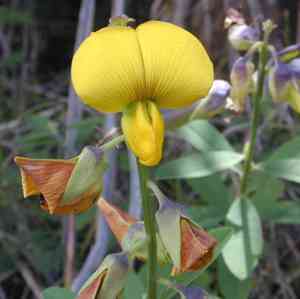
1
For optimal growth, the Chinese peashrub requires a minimum of 6 hours of direct sunlight daily.
2
It can withstand some shade, particularly during the most intense hours of sunlight.
3
Too much sun exposure can cause the Chinese peashrub's leaves to burn and dry out.
Optimal Light Conditions for Chinese peashrub
Full Sunlight Exposure
The Chinese peashrub thrives with full sun exposure, meaning it should receive a minimum of 6 hours of direct sunlight daily. This plant greatly benefits from ample sunshine, promoting vigorous development, lush foliage, and vibrant blooms. Consistent light exposure is crucial to avoid any hindrance in growth.
Partial Shade Resilience
Although full sun is perfect, the Chinese peashrub can also endure partial shade. This allows it to grow well even with just 2 to 4 hours of sunlight per day, which is advantageous for gardens with varying light levels. It's best to ensure it gets morning sun and is shaded during the day's warmest hours to prevent leaf burn.
Consequences of Insufficient Sunlight for Chinese peashrub
Indications of Low Light
A Chinese peashrub lacking sufficient light will display specific warning signs. These include stretched stems as the plant reaches for light, leaves that are pale or yellow, and an overall lack of vitality. Observing these symptoms clearly indicates your plant needs more sunlight.
Impact on Growth and Health
Insufficient light directly affects the plant's development and general well-being. A deficit of adequate light can result in fewer flowers, stunted growth, and a compromised immune system, making the Chinese peashrub more vulnerable to illnesses and pests. Providing the correct amount of sunlight is essential for its healthy progression.
Best Practices for Placing Chinese peashrub
Selecting the Ideal Garden Location
When planting the Chinese peashrub in your garden, choose a spot that will receive abundant sunlight throughout the day. An unobstructed area, free from large trees or structures, is perfect. If possible, position it to capture the morning light, which is less intense and beneficial for the plant's early growth phases.
Seasonal Adjustments for Placement
Seasonal variations can influence the amount of sunlight your garden receives. During winter, when the sun is lower, you might need to move potted Chinese peashrub plants to a brighter location. Conversely, during peak summer, offering some shade during the hottest part of the day can prevent leaf damage.
Supplementing Natural Light for Chinese peashrub
Utilizing Grow Lights
If you are cultivating the Chinese peashrub indoors or in an area where natural sunlight is inadequate, consider employing grow lights. These lights can replicate the natural sunlight spectrum, providing the necessary illumination for your plant to flourish. Position the grow lights approximately 30 cm (12 inches) above the plant, ensuring it receives light for about 12-16 hours daily.
Balancing Natural and Artificial Illumination
Striking a balance between natural and artificial light is crucial to ensure the Chinese peashrub benefits from both. Utilize natural light during daylight hours and supplement with artificial grow lights in the evening or on overcast days. This approach helps maintain consistent growth and promotes plant health.
Common Sunlight Requirement Errors to Avoid
Excessive Direct Sunlight Exposure
While the Chinese peashrub enjoys the sun, too much direct sunlight, especially during peak hours, can lead to scorched leaves and dehydration. Ensure the plant receives morning and late afternoon sun while providing some shade during midday to keep it healthy.
Disregarding Seasonal Light Changes
Another frequent error is neglecting to adjust the plant's position with the changing seasons. Monitor the sunlight your garden receives throughout the year and modify the placement of your Chinese peashrub accordingly to provide optimal light conditions year-round.



