How to Transplant Griffin's bellflower?
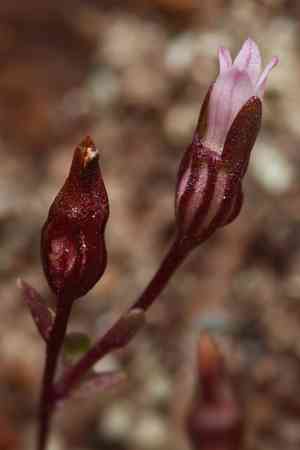
Griffin's bellflower flourishes when relocated in the revitalizing phase of early to mid-spring. Select a bright or partly shaded spot with soil that drains effectively. Verify the soil remains damp yet not oversaturated, fostering robust root development.
Preparations Required Before Relocating Griffin's Bellflower
Optimal Timing for Griffin's Bellflower Relocation?
The best period for moving griffin's bellflower is from early to mid-spring. Transplanting at this time allows the plant to develop its root system before the summer's heat and stress. Early spring offers cooler temperatures and consistent moisture, facilitating a smoother transition and strong root growth. This timing maximizes the plant's health and future blooming potential.
Recommended Spacing Between Griffin's Bellflower Plants?
Ensure each griffin's bellflower plant is spaced 12-18 inches (30-45 cm) apart to provide ample room for growth and development. Proper spacing aids air circulation and minimizes disease risk.
Ideal Soil Blend for Griffin's Bellflower Transplanting?
Prepare well-draining soil enriched with compost or aged manure as a foundational fertilizer for griffin's bellflower. This enhances soil fertility and supports healthy root development.
Where to Replant Your Griffin's Bellflower?
Select a location for griffin's bellflower that receives full sun to partial shade. This plant flourishes with at least 6 hours of daily sunlight, promoting vigorous and vibrant growth.
Equipment Needed Before Transplanting Griffin's Bellflower?
Gardening Gloves
To safeguard your hands while handling soil and plants.
Shovel or Spade
For digging around the plant and preparing a new planting site.
Garden Fork
To assist in loosening the soil surrounding the plant.
Watering Can or Hose
For hydrating the plant before and after its relocation.
Soil Knife or Trowel
To carefully extract the plant from smaller containers.
Mulch
To aid in moisture retention and protect the plant post-transplant.
Stake and Ties
To provide support if the plant is tall or has weak stems.
How to Extract Griffin's Bellflower from the Ground?
How to Extract Griffin's Bellflower from the Ground?
From Ground: First, water the griffin's bellflower plant to moisten the soil. Next, dig a wide trench around the plant using a shovel or spade, ensuring the root ball remains intact. Carefully work the spade beneath the root ball to lift the plant from its original spot.From Pot: Gently tilt the pot on its side and tap the bottom to dislodge the plant. Hold the plant's base and carefully slide it out. If the plant is root-bound, use your fingers or a soil knife to gently loosen the roots.From Seedling Tray: Water the seedlings thoroughly to facilitate removal. Use a soil knife or a small trowel to gently lift each seedling, taking care not to harm the roots.
Step-by-Step Guide for Relocating Griffin's Bellflower
Site Preparation
Prepare the new planting location by digging a hole slightly larger than the plant's root ball. Ensure the hole is deep enough to comfortably accommodate the roots.
Plant Placement
Position the griffin's bellflower in the hole, making sure it sits at the same depth as it was in its previous spot. Backfill the hole with soil, gently firming it around the roots to remove air pockets.
Watering
Water the plant thoroughly immediately after transplanting to settle the soil and aid root establishment. Provide sufficient water to deeply moisten the soil.
Mulching
Apply a layer of mulch around the plant's base to conserve moisture and protect the roots. Keep the mulch a few inches away from the stem to prevent rot.
Support
If the griffin's bellflower is tall or leggy, consider adding a stake and ties for support. Insert the stake into the ground a few inches from the plant, and loosely tie the stem to the stake.
Post-Transplant Care for Griffin's Bellflower
Watering
Maintain consistent moisture in the soil around the griffin's bellflower, avoiding sogginess, for the initial weeks after transplanting to encourage strong root development.
Monitoring
Regularly inspect the plant for indications of stress, such as wilting or discoloration. Address any issues promptly to ensure successful establishment.
Weeding
Keep the area surrounding the transplanted plant free of weeds to minimize competition for nutrients and water.
Fertilization
After a few weeks, a balanced, slow-release fertilizer can be applied if needed, but avoid excessive fertilization.
Addressing Common Issues During Griffin's Bellflower Transplantation.
When is the best time to transplant griffin's bellflower?
The optimal period is early spring or early to mid-summer for prime growth and establishment.
What is the recommended spacing for griffin's bellflower?
Place plants 12-18 inches (30-45 cm) apart to allow for growth and proper air circulation.
How to prepare the soil for transplanting griffin's bellflower?
Utilize well-drained soil enriched with organic compost to supply essential nutrients and support growth.
What size hole should I dig for griffin's bellflower transplants?
Excavate a hole twice the width and depth of the root ball to easily accommodate the roots.
How to handle griffin's bellflower roots when transplanting?
Gently separate and untangle roots to promote spreading and better soil contact.
Do I need to water griffin's bellflower immediately after transplanting?
Yes, water thoroughly post-transplant to moisten the soil and help roots settle in place.
Should I fertilize griffin's bellflower after transplanting?
Delay fertilization for a few weeks after transplanting to prevent stressing the plant during its initial establishment phase.
What kind of mulch is best for griffin's bellflower?
Use organic mulch, such as shredded bark or straw, around the base to retain moisture and regulate temperature.
How much sunlight does griffin's bellflower need after transplanting?
Griffin's bellflower thrives in full to partial sunlight, so ensure it receives adequate light for vigorous growth.
What to do if griffin's bellflower shows signs of transplant shock?
Provide consistent watering and avoid further disturbance to assist the plant in recovering from transplant shock.



