How to Prune Griffin's bellflower?
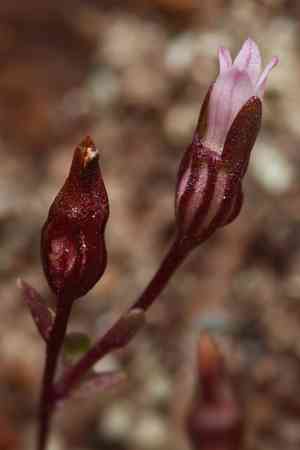
Griffin's bellflower, characterized by its campanulate blossoms, flourishes with appropriate trimming. Perform cuts in late winter or early spring, prior to the emergence of fresh shoots. Concentrate on excising impaired or lifeless stalks to improve air circulation and foster more robust floral displays. Minor shaping can also be undertaken to preserve an attractive silhouette. Consistent pruning aids in averting ailments and promotes abundant flowering.
What Are the Benefits of Pruning Griffin's Bellflower?
What Are the Benefits of Pruning Griffin's Bellflower?
Trimming griffin's bellflower encourages robust development and preserves the plant's form. Regular trimming boosts blooming, manages size, and enhances visual appeal. Furthermore, it aids in warding off pests and illnesses, ensuring a healthier plant overall.
What Is the Best Time for Pruning Griffin's Bellflower?
What Is the Best Time for Pruning Griffin's Bellflower?
Trimming griffin's bellflower during late winter or early spring is ideal as this period coincides with the plant's dormant phase, allowing for rapid recovery and stimulating new growth. This timing prevents disruption of the flowering cycle and promotes more vigorous, healthier blooms. Additionally, pruning in these seasons helps shape the plant before its active growth period begins, maximizing its vitality and aesthetic appeal.
What Tools Do I Need to Prune Griffin's Bellflower?
Hand Pruners
For precise cuts on smaller stems and removing spent flowers, which is vital for encouraging new blooms and maintaining the plant's health.
Bypass Pruners
Preferred for making clean cuts on living stems, which helps to minimize damage and promote quicker healing.
Pruning Shears
Useful for trimming back any excessive growth and shaping griffin's bellflower to maintain its aesthetic appeal.
Snips
Ideal for detailed work such as removing faded flowers and trimming small branches or stems.
How to Prune Griffin's Bellflower
Safety
Wear gloves and use sanitized pruning shears to prevent disease transmission and protect yourself from sharp edges.
Assess
Examine griffin's bellflower for any diseased or withered foliage, identifying the areas that require attention.
Remove diseased leaves
Cut off any diseased leaves at the base using sharp pruning shears to prevent further spread.
Remove withered leaves
Trim away withered leaves close to the main stem or branch to maintain plant health and appearance.
Dispose
Properly discard all removed leaves to avoid potential contamination; do not compost diseased material.
Common Pruning Mistakes with Griffin's Bellflower
Incorrect technique
Using unsuitable tools or making uneven cuts can harm the plant and lead to poor regrowth or disease.
Excessive pruning
Removing too much foliage can stress the plant, reducing its ability to photosynthesize and recover effectively.
Pruning at the wrong nodes
Cutting above the incorrect nodes can result in a poor branching structure and increased susceptibility to diseases.
Common Pruning Tips for Griffin's Bellflower
Use clean tools
Always use clean, sharp pruning shears to prevent the spread of disease and to make precise cuts.
Prune selectively
Focus on removing dead, damaged, or diseased stems first, then thin out congested areas to improve air circulation.
Make angled cuts
Cut at a 45-degree angle above a leaf node or bud to encourage water runoff and reduce the risk of rot.



