How to Transplant American Bellflower?
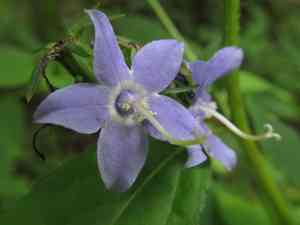
The beginning of spring offers the ideal period for transplanting american Bellflower, facilitating a smooth establishment. Select a location that receives abundant light and possesses soil with good drainage. Should you be worried about transplant stress, applying a root growth enhancer can aid in a successful adaptation.
What Preparations are Needed Before Transplanting American Bellflower?
What is the Ideal Time for Transplanting American Bellflower?
The arrival of warm, revitalizing spring days presents the perfect chance to relocate american Bellflower. This period offers mild weather and prime soil conditions for root establishment, fostering vigorous growth in the coming months. Moving american Bellflower during this season maximizes its potential for quick recovery and adaptation, leading to a profusion of vibrant blooms and healthy foliage.
How Much Space Should You Leave Between American Bellflower Plants?
When transplanting american Bellflower, ensure a spacing of 2-3 feet (approximately 60-90 cm) between plants. This distance provides ample room for growth without competition for nutrients and water.
What is the Best Soil Mix for American Bellflower Transplanting?
Transplant american Bellflower into well-drained soil that has been enhanced with a humus-rich compost or a slow-release granular fertilizer. This provides the nutrient-dense foundation american Bellflower prefers, promoting healthy development.
Where Should You Relocate Your American Bellflower?
Select a site for american Bellflower that receives full sun to light shade. These plants benefit from a balance of sunlight and shade, which helps them thrive and flower.
What Equipments Should You Prepare Before Transplantation American Bellflower?
Gardening Gloves
To shield your hands from scrapes and dirt while handling the plant.
Trowel
This small hand tool is used for digging holes for the plant and working the soil around it.
Spade or Shovel
Necessary for excavating larger holes or if removing the american Bellflower from the ground. It makes the task less strenuous.
Watering Can
An essential tool for hydrating your american Bellflower before and after transplanting, allowing for gentle and controlled watering.
Mulch
Will be applied after transplant to help retain soil moisture and inhibit weed growth.
Gardening Shears
For trimming and pruning the american Bellflower to encourage healthier growth post-transplant.
How Do You Remove American Bellflower from the Soil?
How Do You Remove American Bellflower from the Soil?
From Ground: First, water your american Bellflower plant to soften the soil and lessen transplant shock. Using a spade or shovel, dig a wide circle around the plant, being careful to avoid damaging the root system. Gradually work your way beneath the plant, lifting the root ball from the ground. From Pot: If the american Bellflower is in a pot, water it before removal. Tilt the pot on its side, gently jiggle it or tap the edges until the plant loosens. Be cautious not to pull the plant out by its stem. From Seedling Tray: Before transplanting seedlings, ensure they have enough leaves (typically two true leaves) to withstand the process. Using a small tool like a trowel, carefully lift the seedlings, making sure to retain as much soil as possible around the roots.
Step-by-Step Guide for Transplanting American Bellflower
Preparation
Before transplanting, water the american Bellflower thoroughly to minimize shock. Ensure the new transplant site is prepared with a hole that is twice the width of the american Bellflower's root ball.
Placement
Gently position the american Bellflower in the hole, making sure the top of the root ball is level with the ground surface. Backfill the hole with the existing soil, lightly compacting it around the root ball.
Watering
Immediately after transplanting, water generously so that the soil settles around the root ball. This will create a stable environment for the roots to develop.
Mulching
Apply a layer of mulch around the base of the plant – but not touching the stem – to help retain soil moisture and prevent weed growth.
How Do You Care For American Bellflower After Transplanting?
Regular Watering
After transplanting, ensure you water the american Bellflower consistently but avoid waterlogging. The soil around the base should always be kept moist, especially during dry periods.
Pruning
If necessary, you can prune back the american Bellflower to reduce its size, encouraging it to prioritize root growth. Remember to use clean, sharp shears for precise cuts.
Monitor
Keep a close watch on the american Bellflower for signs of transplant shock, such as yellowing leaves or wilting. If these symptoms appear, ensure optimal watering and remove any dead plant parts to encourage new growth.
Troubleshooting Common Issues with American Bellflower Transplantation.
When's the best time to transplant american Bellflower to ensure its optimal growth?
Transplant american Bellflower during 'S1', it's the ideal season to assure its healthy growth and blooming.
What's the necessary spacing for american Bellflower when transplanting?
Maintain a space of about 2-3 feet (60-90 cm) between each american Bellflower during transplantation for ample growth.
How deep should I dig the hole for transplanting american Bellflower?
Dig a hole double the size of the root ball. This way, the roots of american Bellflower have ample room for spreading.
What should I look out for when planting american Bellflower in the soil?
Ensure american Bellflower's root crown is level with or slightly below the ground surface. Too deep can lead to rot issues.
How do I prepare the soil when transplanting american Bellflower?
Enrich the soil with compost and a balanced organic fertilizer for nutrients. Well-draining, fertile soil works best for american Bellflower.
How should I water american Bellflower immediately after transplantation?
Generously water american Bellflower immediately after transplanting, ensuring the root zone is thoroughly wet. Be careful to avoid waterlogging.
What's the light requirement for american Bellflower after transplantation?
American Bellflower thrives in a location with full sun to part shade. As a transplanted plant, an ideal balance is important.
When and how should I prune a transplanted american Bellflower?
Prune back american Bellflower in late fall or early spring. This helps to rejuvenate the plant and encourages denser growth.
Is mulching beneficial for a transplanted american Bellflower?
Yes, mulching is beneficial! It will help to maintain soil moisture and temperature, deter weeds and enrich the soil.
What should I do if the transplanted american Bellflower is not showing signs of growth?
First, ensure the aftercare requirements are fulfilled. If there's still no sign of growth, consult with a horticultural expert about your american Bellflower.



