How to Prune American Bellflower?
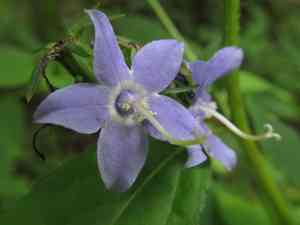
A prominent, striking wild bloom, american Bellflower thrives with the removal of spent blossoms across its flowering period in spring, summer, and autumn to stimulate additional blooms and deter unwanted self-propagation. Trim withered flower stems down to the foundational leaves following the initial bloom to foster a subsequent flowering. Nip off nascent shoots early in the season to improve branching and increase flower yield. Trimming typically requires minimal effort but can considerably extend the flowering duration and manage its development.
Advantages of Trimming American Bellflower
Advantages of Trimming American Bellflower
Trimming american Bellflower promotes robust development by reallocating energy to healthy shoots, resulting in a more vigorous plant. It also aids in maintaining a desired form, enhancing the plant's aesthetic appeal.
Optimal Time for Pruning American Bellflower
Optimal Time for Pruning American Bellflower
Late spring is an appropriate period for pruning american Bellflower as it allows for the removal of any winter-damaged or deceased tissue, ensuring the plant's energy is directed towards healthy growth. Early summer is also ideal for trimming american Bellflower; this time, immediately after flowering, enables gardeners to shape the plant and encourage a second bloom in the same season. Autumn pruning is beneficial for removing faded flowers and seed heads, which can neaten the plant and prevent unwanted self-seeding, while still retaining sufficient foliage for photosynthesis and energy storage for winter dormancy.
Necessary Tools for Pruning American Bellflower
Bypass Pruners
Perfect for making clean cuts on the thinner stems of american Bellflower, bypass pruners offer precise control and minimize harm to the plant's delicate tissues.
Gardening Shears
Useful for trimming and shaping american Bellflower's growth, gardening shears provide a larger cutting surface for efficiently managing multiple stems simultaneously.
Gloves
To safeguard the gardener's hands from scrapes and ensure a secure grip on the tools when pruning american Bellflower.
How to Prune American Bellflower
Disinfect
Before commencing the pruning process, sanitize your pruning tools with a solution of one part bleach to nine parts water to prevent the transmission of diseases.
Identify
Carefully examine american Bellflower to locate withered leaves. Look for leaves displaying signs of aging such as discoloration, dryness, or wilting.
Snip
Using sharp pruning shears, snip the withered leaves at their base where they connect to the main stem. Make a clean cut to avoid tearing that can create entry points for pests or diseases.
Dispose
After the withered leaves are removed, discard them properly in a compost bin or trash. Do not leave them around american Bellflower as they can harbor pests or disease.
Clean
Once pruning is finished, clean the area around american Bellflower to remove any fallen debris, and sterilize the tools again using the same bleach solution.
Common Pruning Errors with American Bellflower
Over-pruning
Removing too much foliage at once can stress american Bellflower, potentially leading to reduced vigor and fewer flowers. It's crucial to prune no more than one-third of the plant at a time.
Cutting into old wood
American Bellflower blooms on new growth, so pruning into old, woody stems that no longer produce new shoots can diminish flowering potential and overall vitality.
Ignoring dead or diseased stems
Failing to remove dead or diseased stems can hinder american Bellflower's growth by allowing diseases to spread or by wasting resources on nonviable parts of the plant.
Pruning too short
Cutting stems too short may remove the nodes where new buds and flowers develop, which can negatively affect american Bellflower's blooming and growth patterns.
Leaving stub cuts
Leaving long stubs after cutting can lead to dieback and disease; make clean cuts close to a bud or branching point to promote healthy regrowth.
General Pruning Advice for American Bellflower
Disinfect tools
Using clean, disinfected pruning tools helps prevent the spread of diseases between plants in the garden.
Prune for shape
Trim american Bellflower to maintain its natural shape and to remove any awkward or crossing branches, which improves air circulation and overall plant health.
Deadhead spent blossoms
Regularly removing spent flowers encourages american Bellflower to produce new blooms and can extend the flowering season.
Thin out overcrowded areas
Thin out overcrowded areas by selectively removing some stems to increase light penetration and air flow, reducing the risk of fungal diseases.
Prune for size control
If necessary, reduce the height and spread of american Bellflower by selectively pruning to maintain the desired size in the garden space, but remember the one-third rule to avoid over-pruning.



