How to Propagate American Bellflower?
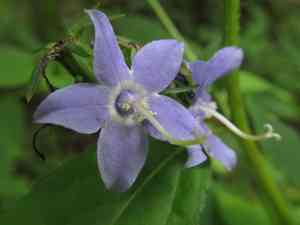
American Bellflower flourishes when reproduced through seeding. For optimal development, it is essential to offer a growing medium that drains effectively and to sustain steady hydration without oversaturation. Select a location with abundant sunlight, as this botanical specimen prefers bright conditions. Disperse the seeds sparsely to avoid excessive density, which could impede their progress. Careful management of the fragile young plants is vital during relocation to guarantee proper root establishment.
Optimal Time for American Bellflower Propagation
Propagation Method
Seeding
Propagation Period
Spring
Tools for American Bellflower Propagation
Seed trays
Seed trays are crucial for sowing american Bellflower seeds, offering a controlled environment for germination. Their flat surface allows for even seed distribution, ensuring adequate space for each seed to grow without crowding, vital for the delicate initial stages of american Bellflower's development.
Seed starting mix
A high-quality seed starting mix is important for american Bellflower, primarily because it ensures proper air circulation and moisture retention, both critical for germination. This soilless medium is typically finer and lighter than garden soil, helping maintain the delicate balance needed for american Bellflower seeds to sprout effectively.
Misting bottle
A misting bottle is a key tool for gently watering american Bellflower seeds. The fine spray allows moisture to be added without disturbing the soil or displacing small seeds. This consistent, light moisture is vital for germination and the early development of american Bellflower.
Grow lights
For indoor propagation of american Bellflower, grow lights are beneficial to supplement natural sunlight, which may be insufficient. These lights provide a consistent light source, essential for healthy seedling development, particularly in ensuring the plant receives enough light for photosynthesis without the risk of scorch or dehydration from natural sunlight variations.
Heating mat
A heating mat can improve american Bellflower germination rates by maintaining a consistent soil temperature, especially important during cooler months or climates. American Bellflower seeds benefit from warmth, which encourages faster and more uniform germination.
Propagating American Bellflower Guide
Propagation Difficulty
Easy
Post-Propagation Care for American Bellflower
Caring for Your Newly Propagated American Bellflower
After germination, gradually introduce seedlings to outdoor conditions if started indoors. Transplant them when they have at least two sets of true leaves, spacing them 12-18 inches apart in a location with full sun to partial shade. Water regularly, especially during dry spells, but avoid waterlogging. Mulching helps retain moisture and suppress weeds. Monitor for common pests and diseases, treating as needed with eco-friendly methods.
Common Errors to Avoid When Propagating American Bellflower
Excessive watering
Overwatering can lead to root rot or fungal infections for american Bellflower, which thrives in well-drained soil. Too much moisture can suffocate the plant's roots, hinder growth, and reduce propagation success.
Planting too deep
Planting american Bellflower seeds or cuttings too deeply can impede germination and root establishment. Seeds require adequate light for activation, and cuttings need air exposure to form roots effectively.
Neglecting light requirements
American Bellflower needs specific light conditions to flourish. Providing too much or too little light during the propagation phase can hinder growth and impact the plant's health.
Advice for Propagating American Bellflower
Appropriate soil mixture
Using a well-drained soil mix helps prevent waterlogging and supports healthier root development for american Bellflower. Incorporating organic matter can enhance soil structure and nutrient availability.
Sufficient surface sowing
When propagating american Bellflower from seeds, it's essential to sow them lightly on the soil surface and not cover them. This ensures the seeds receive the necessary light for germination.
Optimal cutting size
When using stem cuttings for propagation, ensuring they are 4-6 inches long with several nodes increases the likelihood of successful root development. Removing lower leaves and dipping the cut end in rooting hormone can further enhance root growth.



