How to Transplant Cornish bellflower?
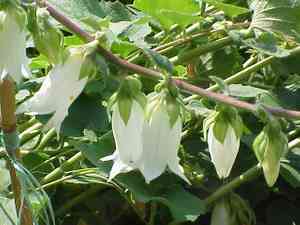
The most favorable period for relocating Cornish bellflower is from early to late spring or during late autumn, owing to the more moderate climate. Select a site that receives full sun to partial shade and possesses soil with good drainage. Refrain from moving the plant during significant weather shifts to guarantee its successful integration.
What Preparations are Necessary Before Relocating Cornish Bellflower?
What is the Optimal Period for Relocating Cornish Bellflower?
Cornish bellflower, a perennial, is best moved from early to late spring or during late autumn. These times minimize shock from the move and offer prime growing conditions. Early spring allows strong root development before summer, while late fall ensures minimal stress during dormancy. Moving them in these seasons guarantees vigorous growth and adaptation.
What Distance Should You Maintain Between Cornish Bellflower Plants?
When relocating cornish bellflower, ensure a separation of 12-18 inches (30-45 cm) between them. This spacing provides ample room for each plant to grow and helps prevent overcrowding, promoting healthy development.
What is the Ideal Soil Mixture for Cornish Bellflower Relocation?
Prepare well-draining soil enriched with organic matter for cornish bellflower. A balanced base fertilizer, such as a 10-10-10 (N-P-K), will be effective. This ensures the plants receive necessary nutrients for robust roots and vibrant growth.
Where Should You Replant Your Cornish Bellflower?
Select a sunny location or one with partial shade for relocating cornish bellflower. They flourish best with at least 4-6 hours of daily sunlight, ensuring they get sufficient light for optimal growth.
What Tools Should You Prepare Before Relocating Cornish Bellflower?
Gardening Gloves
To safeguard your hands while handling soil and plants.
Hand Trowel
For excavating small holes and moving individual plants.
Spade or Shovel
For digging larger holes and creating trenches around the plant.
Watering Can or Hose with Gentle Spray Nozzle
To hydrate the plant before and after its relocation.
Compost or Organic Matter
To enrich the soil in the new planting spot.
Mulch
To help retain moisture around the plant once it has been moved.
How Do You Extract Cornish Bellflower from the Soil?
How Do You Extract Cornish Bellflower from the Soil?
From Ground: First, moisten the cornish bellflower plant's soil. Then, dig a wide trench around the plant using a shovel or spade, ensuring the plant's root ball stays intact. Carefully work the spade beneath the root ball to lift the plant from its original spot.From Pot: Gently water the soil in the pot to facilitate easier removal of the cornish bellflower plant. Invert the pot while supporting the plant stem with your hand. Tap the pot's bottom to loosen the soil and carefully slide the plant out, keeping as much of the root ball intact as possible.From Seedling Tray: Water the seedlings thoroughly before moving them. Use a small tool like a spoon or a hand trowel to gently lift the seedlings from the tray, taking care not to harm the delicate roots.
Step-by-Step Guide for Relocating Cornish Bellflower
Soil Preparation
Improve the soil in the new planting area with compost or organic matter to ensure it's fertile and drains well. Mix the compost into the top 6-8 inches of the soil.
Hole Excavation
Dig a hole in the prepared soil that is twice as wide and as deep as the cornish bellflower's root ball. This will provide ample space for the roots to spread.
Plant Positioning
Place the cornish bellflower plant in the hole, ensuring the top of the root ball is level with the surrounding soil surface. Backfill the hole around the plant with soil, gently firming it down to remove air pockets.
Watering
Thoroughly water the plant after placing it in the ground to help settle the soil around the roots and provide initial hydration.
Mulching
Apply a layer of mulch around the base of the cornish bellflower plant. This aids in retaining soil moisture and suppressing weeds.
How Do You Care For Cornish Bellflower After Relocation?
Watering
Keep the soil around the cornish bellflower consistently moist, but not waterlogged, for the initial weeks after relocation to help establish strong roots.
Monitoring
Regularly inspect the plant for signs of distress, such as wilting or yellowing leaves, and adjust care as needed.
Pruning
Remove any dead or damaged foliage to encourage healthy growth and reduce stress on the plant.
Supporting
If the cornish bellflower is tall or prone to falling over, consider providing support with stakes or a small cage.
Troubleshooting Common Issues with Cornish Bellflower Relocation.
When is the best time to relocate cornish bellflower?
Early spring to late spring or late fall is ideal for relocating cornish bellflower.
How much space should I leave between cornish bellflower plants?
Space cornish bellflower plants approximately 12-18 inches (30-45 cm) apart for optimal growth.
What should the soil quality be like for cornish bellflower?
Cornish bellflower prefers well-draining soil rich in organic matter for healthy root establishment.
Do I need to water cornish bellflower immediately after relocating?
Yes, water cornish bellflower thoroughly after relocating to help settle the soil and reduce transplant shock.
Should I trim the roots of cornish bellflower before relocating?
Gently loosen the roots of cornish bellflower before relocating but avoid excessive trimming.
How deep should the relocation hole be for cornish bellflower?
Dig a hole for cornish bellflower that is twice as wide and just as deep as the root ball.
Is mulching beneficial for newly relocated cornish bellflower?
Yes, apply a layer of mulch around cornish bellflower to retain moisture and regulate soil temperature.
How do I handle cornish bellflower if the leaves wilt after relocating?
Provide shade and keep the soil moist but not waterlogged to revive wilting cornish bellflower.
What type of fertilizer is best for cornish bellflower after relocating?
Use a balanced, slow-release fertilizer to promote strong root growth for cornish bellflower.
How long should I wait to water cornish bellflower again after the initial watering?
Water cornish bellflower again when the top inch (2.5 cm) of soil is dry to maintain consistent moisture.



