How to Propagate Cornish bellflower?
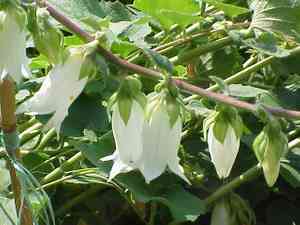
The Cornish bellflower, a lovely herbaceous perennial, is recognized for its campanulate flowers. To multiply this species via seeding, begin by gathering seeds from ripened pods once the blooms have withered. Disperse the seeds into a well-draining substrate for seedlings, lightly dusting them with earth. Maintain consistent moisture in the soil and position in an area receiving filtered light. Sprouting generally takes place within several weeks. When the young plants are sufficiently developed to manage, transfer them to their final growing spot.
Optimal Time for Cornish Bellflower Propagation
Propagation Method
Sowing
Propagation Period
Spring
Essential Tools for Cornish Bellflower Propagation
Seed Trays
Seed trays are crucial for planting cornish bellflower seeds. They provide ideal soil depth and drainage, preventing waterlogging and ensuring ample space for seedlings.
Seed Compost
Specialized seed compost offers the perfect blend of nutrients and texture for cornish bellflower seeds. It aids germination by creating a sterile, nutrient-rich setting that promotes robust root growth.
Misters
Misters are utilized to keep the soil surface moist without disturbing the delicate cornish bellflower seeds. Correct moisture levels are vital to prevent drying out and encourage uniform germination.
Labeling Stakes
Labeling stakes help organize different seed batches and their planting dates. This is especially important for tracking growth progress and variations in cornish bellflower germination rates.
Heating Mat
A heating mat delivers consistent warmth from below, which can accelerate the germination process of cornish bellflower. Maintaining a steady temperature is often key for even sprouting.
Propagation Dome
A propagation dome maintains high humidity and stable temperatures, creating an ideal microenvironment for cornish bellflower germination. It helps mimic a greenhouse effect, keeping seedlings healthy and strong.
Fine Sieve
A fine sieve is used to create a light, even layer of soil or compost over cornish bellflower seeds, ensuring they are covered but not buried too deeply. This can improve germination success rates.
How to Propagate Cornish Bellflower?
Propagation Type
Easy
Post-Propagation Care for Cornish Bellflower
How to Care for Your Newly Propagated Cornish Bellflower?
After germination, continue to provide cornish bellflower with consistent moisture, ensuring the soil remains lightly moist but not waterlogged. Once seedlings develop a few true leaves, they can be transplanted to individual pots or directly into the garden. Choose a location with partial to full sun and well-draining soil. Regularly check for pests and diseases, and provide a balanced fertilizer to support healthy growth. Gradually acclimate the seedlings to outdoor conditions if moving them outside to prevent shock.
Common Errors to Avoid When Propagating Cornish Bellflower
Overwatering
Excessive watering can lead to root rot, which is detrimental to the plant's health and growth. It is essential to maintain a well-drained soil environment.
Incorrect soil pH
Using soil with unsuitable pH levels can impede nutrient absorption, affecting growth and development. Cornish bellflower prefers slightly alkaline to neutral soil.
Inadequate light
Providing too much or too little light can hinder the photosynthesis process. Cornish bellflower needs a balance of adequate light without being exposed to direct intense sunlight.
Improper cutting techniques
Using dull or unsterilized tools for cuttings can damage the plant tissues and introduce diseases, impacting successful propagation.
Neglecting humidity
Ignoring the humidity needs can cause stress or slow down the growth of cornish bellflower. It responds well to a controlled environment with adequate humidity levels.
Tips For Propagating Cornish Bellflower
Use well-draining soil
Ensure the use of a well-draining potting mix to prevent waterlogging. Adding perlite or sand can improve soil drainage.
Maintain optimal humidity
Keep the propagation environment moderately humid. Use a humidity dome or regular misting to maintain moisture levels.
Sterilize tools
Always sterilize cutting tools before use to prevent the spread of diseases. Clean tools with alcohol or disinfectant.
Provide indirect light
Cornish bellflower thrives in bright, indirect light. Avoid placing cuttings in direct sunlight, which can scorch the leaves.
Monitor soil pH
Check and adjust the soil pH to ensure it remains slightly alkaline to neutral. Use soil amendments like lime to adjust pH if needed.



