How to Prune Cornish bellflower?
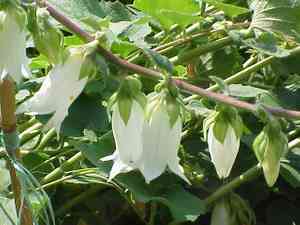
This botanical specimen displays campanulate blossoms and cordate foliage. The most effective time for pruning cornish bellflower is during the spring and summer seasons. Remove any withered or compromised stalks and stimulate denser development by reducing the plant's size by one-third. Pruning in summer subsequent to blooming can improve the subsequent flowering period. Consistent trimming aids in preserving its form, eliminates potential disease threats, and fosters more robust development. Always use sanitized, keen implements to avert the spread of pathogens and bolster general vigor.
What Are the Benefits of Pruning Cornish Bellflower?
What Are the Benefits of Pruning Cornish Bellflower?
Cornish bellflower thrives with trimming, promoting vigorous growth and maintaining its form. Pruning also boosts flowering and manages size, leading to better appearance and vitality. Regular trimming can help cornish bellflower resist pests and diseases, fostering overall robust development.
What Is the Best Time for Pruning Cornish Bellflower?
What Is the Best Time for Pruning Cornish Bellflower?
Trimming in spring allows for the removal of dead or damaged stems from the winter, encouraging healthy new growth. Pruning in summer helps control the plantâs size and promotes additional blooms. These periods are considered ideal as they align with cornish bellflower's active growth and flowering cycles, ensuring the plant can recover quickly and maintain vigor.
What Tools Do I Need to Prune Cornish Bellflower?
Hand Pruners (Bypass Pruners)
Hand pruners are perfect for cornish bellflower due to their accuracy. They enable clean cuts on delicate stems without causing harm.
Pruning Shears
Pruning shears are suitable for cutting back larger sections of cornish bellflower, especially after blooming. They offer more leverage and strength for thicker stems.
Deadheading Snips
These are ideal for carefully removing faded flowers from cornish bellflower to encourage more blooms and maintain the plant's look.
Long-Handled Loppers
For older or larger specimens of cornish bellflower, loppers are useful for reaching and cutting thicker branches that are beyond the capacity of hand pruners.
How to Prune Cornish Bellflower
Assess
Examine cornish bellflower for any indications of diseased leaves, withered leaves, and diseased stems. Identifying the problematic areas before you begin pruning is essential.
Sterilize
Sanitize your pruning tools with a solution of one part bleach to nine parts water to prevent the spread of illness.
Remove diseased leaves
Carefully remove any diseased leaves by cutting them off at their base. Be sure to avoid harming healthy parts of cornish bellflower.
Remove withered leaves
Trim away withered leaves, cutting them off cleanly at the base, to improve air circulation and aesthetic appeal.
Remove diseased stems
Cut back any diseased stems to healthy tissue, making clean cuts just above a node or bud to encourage healthy growth and prevent future problems.
Common Pruning Mistakes with Cornish Bellflower
Improper technique
Using dull or unsuitable tools can damage the stems and increase the risk of disease. Ensure pruning shears are sharp and clean.
Over-pruning
Removing too much foliage can weaken cornish bellflower and reduce flowering. It's crucial to leave enough foliage for photosynthesis.
Pruning at the wrong points
Cutting too close to the main stem or at random points can harm cornish bellflower, making it vulnerable to pests and diseases. Aim to cut just above a node or a leaf pair.
Neglecting deadheading
Failing to remove spent flowers can lead to reduced blooming. Deadheading not only keeps cornish bellflower tidy but also encourages more blooms.
Common Pruning Tips for Cornish Bellflower
Use the right tools
Always use sharp, clean pruning shears to make precise cuts without damaging the plant tissue.
Prune selectively
Only remove about one-third of the plantâs foliage to avoid stressing cornish bellflower. Focus on cutting back dead, damaged, or diseased stems.
Cut at an angle
Make angled cuts just above a leaf node or a bud facing outward to ensure water runoff and healthy new growth.
Deadhead regularly
Remove spent flowers regularly to channel the plant's energy into producing new blooms rather than seed production.
Maintain air circulation
Thin out crowded areas to improve air circulation within the plant, reducing the risk of fungal infections and promoting overall health.



