How to Transplant Large camas?
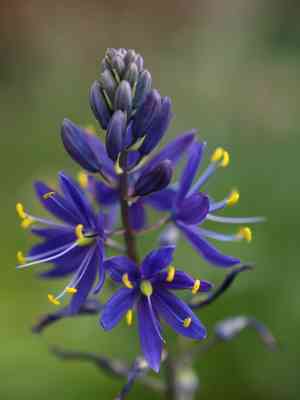
For substantial camas, the onset of spring presents an ideal period for transplantation, fostering vigorous development. Select a location that receives abundant sunlight and possesses soil with good drainage. When positioning large camas, guarantee sufficient distance between them to allow for expansion.
What Preparations are Needed Before Transplanting Large Camas?
What is the Ideal Time for Transplanting Large Camas?
The optimal period for moving large camas is at the start of spring. The mild temperatures of this season aid root establishment, ensuring a smooth transition and vigorous development. By selecting this timeframe, gardeners provide large camas with the best foundation in their new spot, fostering a vibrant display in subsequent seasons.
How Much Space Should You Leave Between Large Camas Plants?
To transplant large camas, first, prepare an area with about 2-3 feet (60-90 cm) between each plant. This will give them ample space to grow without competing for essential nutrients or sunlight.
What is the Best Soil Mix for Large Camas Transplanting?
Second, large camas prefers soil that drains well and isn't heavy or clay-like. Incorporate a generous amount of organic compost to create fertile ground for them to thrive. A slow-release fertilizer could also help boost initial growth.
Where Should You Relocate Your Large Camas?
Lastly, select a location with ample sun exposure. Large camas will flourish in full sun to partial shade. Ensure the chosen spot meets these requirements, as proper sunlight is crucial for large camas's overall health.
What Equipments Should You Prepare Before Transplantation Large Camas?
Gardening Gloves
To protect your hands from potential cuts and scrapes when handling the large camas.
Shovel or Spade
To carefully excavate the large camas from its current position.
Garden Hose or Watering Can
To sufficiently hydrate the large camas before, during, and after the transplanting process.
Garden Fork
To gently loosen the soil around the plant before it's lifted.
Wheelbarrow
To effortlessly move the large camas plant from one spot to another.
Mulch
To help keep the root area of the large camas cool, conserve moisture, and deter weeds after transplant.
How Do You Remove Large Camas from the Soil?
How Do You Remove Large Camas from the Soil?
From Ground: Start by watering the large camas plant to moisten the soil, making extraction easier. Use a garden fork to gently loosen the soil around the plant without harming the root system. Carefully work the spade beneath the root ball, then slowly lift the plant from its original location, keeping the root ball intact. Place it promptly onto the wheelbarrow for easy transport.From Pot: Water the large camas plant and allow it time to absorb the moisture. Then, gently turn the pot on its side, holding the plant's base, and tap it lightly to dislodge the plant. If it doesn't slide out easily, you might need to tap a bit harder, but always be careful not to damage the plant in the process.From Seedling Tray: Water the seedlings thoroughly and let the water soak in. Invert the tray and tap it to loosen the soil and seedlings. Hold the foliage or stem of the large camas plant and gently lift it out, ensuring as much of the root system is preserved.
Step-by-Step Guide for Transplanting Large Camas
Prep Work
Water your large camas plant generously the day before you plan to transplant it; this will help it cope better with the shock. Consider transplanting on a cloudy day or in the late afternoon to avoid the harsh sun's effects.
Digging the Hole
Dig a hole that is twice the width of the root ball and of equal depth at the chosen location. Loosen the soil at the bottom of the hole, which will be the receiving bed for the roots.
Planting
Gently place the large camas plant into the hole. Ensure the top of the root ball is level with the soil surface and not buried beneath it.
Backfill
Backfill the hole with the soil that was previously removed. Gently pat it around the root ball.
Watering
Water the large camas plant thoroughly immediately after transplanting to settle the soil and help it establish its roots in its new location.
How Do You Care For Large Camas After Transplanting?
Observing
Regularly monitor the large camas for any indications of transplant shock, such as wilting or browning leaves, and take appropriate measures.
Watering
The large camas should be watered consistently for several weeks following the transplant, depending on its moisture needs, to develop a strong root system.
Mulching
Apply a layer of mulch around the base of the large camas plant to retain soil moisture and inhibit weed growth. However, keep the mulch a few inches away from the stem to prevent rot.
Pruning
If the large camas exhibits signs of stress after transplanting, consider trimming back a third of the plant's top growth to reduce the demand on the roots.
Troubleshooting Common Issues with Large Camas Transplantation.
When is the perfect time to transplant large camas?
The ideal period to move large camas is during the season referred to as 'S1'. This is typically when the plant will best tolerate the relocation.
How much space do I need between each large camas when transplanting?
Keeping large camas approximately 2-3 feet (60-90cm) apart will ensure each plant has sufficient room to grow and flourish.
What kind of soil does large camas prefer for successful transplanting?
Large camas requires well-draining soil. Heavy clay is unsuitable. If necessary, incorporate organic matter to improve drainage.
Do I need to fertilize large camas during transplanting?
While not essential during transplantation, it can be beneficial to provide large camas with a slow-release fertilizer in the weeks following transplantation to encourage healthy growth.
How deep should I dig the hole for transplanting large camas?
A hole should be dug deep enough to accommodate large camas's root system. Generally, this may be approximately 12 inches (30cm).
What can I do if the leaves of large camas start to wilt after transplanting?
Initial wilting after transplantation can be normal. Increase watering, reduce sunlight exposure, and ensure there is adequate drainage.
Why is large camas not blooming after being transplanted?
Transplanting can be a shock to large camas, and it may require time to adjust. Providing good soil, sufficient water, and appropriate sunlight will promote blooming.
How often should I water large camas after transplanting?
Initially, water large camas thoroughly and then maintain a regular watering schedule, ensuring the soil does not become too dry. Well-drained soil will prevent waterlogging.
Should I prune large camas while transplanting?
Not generally. Pruning during or after transplanting can cause additional stress to large camas. Allow it to become well-established before considering any potential pruning.
What could potentially go wrong during the transplanting of large camas?
Problems could include root damage during transplanting, planting too deep or too shallow, or insufficient ongoing care, which includes watering, light exposure, and appropriate soil conditions.



