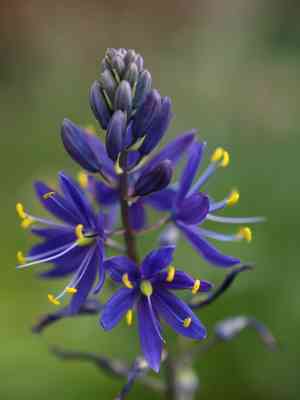
Large camas (Camassia leichtlinii)
Also known as: Suksdorf's large camas, Leichtlin's camassia
Large camas (Camassia leichtlinii) is a perennial plant known for its attractive blue flowers that bloom on tall, spiked stems in the spring. It grows from a bulb and can adapt to various soil types. For optimal growth, it prefers moist, well-drained soils, especially during the winter and early spring. After flowering, the soil should dry out. This plant flourishes in both full sun and partial shade.
In This Article
Attributes of Large camas
Lifespan
Perennial
Plant Type
Herb
Plant Height
61 cm to 1.2 m
Spread
30 cm to 60 cm
Leaf Color
Green Variegated
Flower Size
5 cm to 8 cm
Flower Color
White Purple Blue Cream
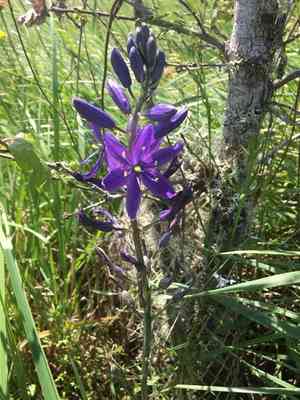
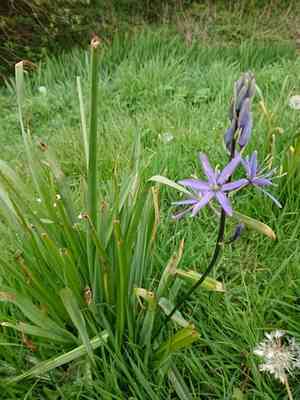
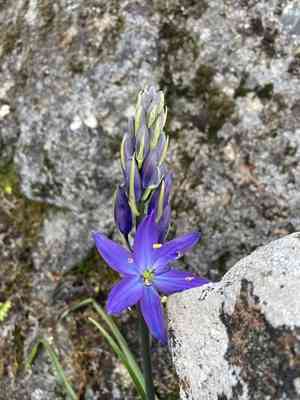
Images of Large camas
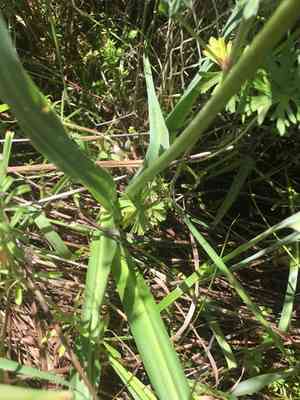
Quickly Identify Large camas
1
Camassia leichtlinii can be identified by its tall flowering spikes that bear star-shaped flowers, typically blue, purple, or white. The plant has strap-like leaves that emerge from a bulb.
Scientific Classification of Large camas
Phylum
Vascular plants
Class
Monocotyledons
Order
Asparagales
Family
Asparagus
Genus
Camas
Species
Large camas
Planting and Growing of Large camas
Care Difficulty
Easy
Watering Schedule
Every 3 days
Sunlight Requirements
Full sun
Sunshine Duration
6-10 hours
Ideal Temperature
60-70℉
Soil Type
Potting Mix, Peat Mix
Soil pH
6-7
Fertilizer Type
Balanced
Pruning Season
Spring, Summer
Pruning Area
Branches, Leaves
Pruning Frequency
2 times a year
Repotting Season
Spring
Pot Type
Plastic, Ceramic
 How to Water Large camas?
Camassia leichtlinii requires a moderate amount of water. You should aim to saturate the soil to ensure even moisture without waterlogging. About 500 ml per watering is generally sufficient, but always adjust depending on the soil drainage and weather conditions.
What are the symptoms of an underwatered Large camas?
›
What should I do if my Large camas is not getting enough water?
›
What are the symptoms of an overwatered Large camas?
›
How to save an overwatered Large camas?
›
 What Are the Sunlight Requirements for Large camas?
Camassia leichtlinii prefers full to partial sun, ideally in the range of 6 to 8 hours daily. This exposure ensures healthy development and maximizes its striking floral display.
More About Sunlight Requirements Techniques→
How much sunlight does Camassia leichtlinii need?
›
What are the solutions for ideal sunlight?
›
What are the benefits of ideal lighting?
›
 What Is the Ideal Temperature Range for Large camas?
The ideal temperature range for growing Camassia leichtlinii is between 60°F and 70°F. This range ensures that the plant can maximize its potential for growth while not being subjected to temperature extremes. In this range, the metabolic processes of the plant function optimally, allowing for efficient photosynthesis and other physiological activities necessary for healthy development.
 What Soil is Best for Large camas?
Camassia leichtlinii thrives in well-drained loam or sandy loam soils, which help to prevent waterlogging that can damage the plant's roots. This keeps the plant healthy and promotes robust growth and flowering. This plant enjoys moderate moisture levels. Its roots can absorb the necessary amounts to sustain growth while avoiding the risk of root rot or fungal issues often caused by excess moisture. A soil rich in organic matter provides essential nutrients that help support the plant's growth. Adding compost or well-rotted manure can enhance nutrient levels, leading to a more vibrant bloom.
 How to Fertilize Large camas?
For Camassia leichtlinii, using a general-purpose fertilizer at a dilution rate is recommended. During active growth, use about half the labeled rate for liquid fertilizers. Divide it into smaller doses across watering schedules to avoid nutrient burns.
 How to Prune Large camas?
Once the blooming period is over and the flowers have faded, use sharp scissors or pruning shears to cut back the flower stalks to the base. This will prevent the plant from wasting energy on seed production, directing it instead towards bulb strengthening. After the foliage has naturally yellowed and died back in autumn, gently pull away any dead leaves or trim them close to the ground. This tidy-up prevents potential pest infestations and allows for a clean slate for future growth.
More About Pruning Techniques→
 How to Propagate Large camas plant?
1
Start by filling seed trays with a well-draining mix. Sow the Camassia leichtlinii seeds on the surface and lightly cover them with soil. Keep the soil consistently moist. It's crucial to maintain a constant temperature around 60°F (15°C) to promote germination, which can take several weeks.
2
In early spring, use a garden fork to lift the bulbs gently. Separate the bulbs ensuring each division has a portion of the root system intact. Replant the bulbs immediately at the same depth as they were previously to prevent desiccation and to encourage new growth.
3
Once seedlings have developed a few true leaves, transplant them to individual pots. Gradually acclimatize them to outdoor conditions over a week. Ensure they are planted in well-drained soil and receive partial to full sun to thrive.
 How to Repot Large camas plant?
1
Camassia leichtlinii typically shows signs of needing repotting when its roots start to emerge from the drainage holes, or the soil becomes compacted. Ideally, the best timing for this process is during early spring or autumn, when the plant is neither in active growth nor dormancy, allowing for minimal stress during the transition.
2
Opt for a pot that is about 2 inches larger in diameter than the current one. This ensures sufficient room for growth without waterlogging the roots. A drainage hole is essential to prevent excess water from accumulating, which could lead to root rot, thereby maintaining the plant's health.
3
A well-draining, loamy soil is crucial for Camassia leichtlinii, providing balanced moisture retention and aeration. This soil type allows the roots to breathe and prevents them from sitting in water, reducing the risk of root diseases and promoting robust growth.



