How to Prune Large camas?
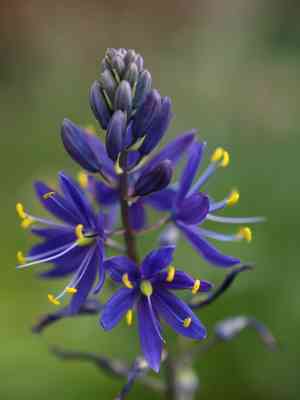
Distinguished by vibrant blue blossoms, large camas thrives with limited trimming to eliminate faded flower stems and preserve its aesthetic. Perform pruning in late winter or early spring prior to new development. Removing spent blooms after flowering encourages plant robustness. Refrain from severing foliage until it naturally recedes, as it provides sustenance to the bulbs. A light trim offers protection against ailments and could improve the subsequent season's presentation.
What Are the Benefits of Pruning Large Camas?
What Are the Benefits of Pruning Large Camas?
Trimming large camas promotes robust development and helps maintain its desired form. By eliminating spent blossoms and dead leaves, energy is redirected to healthier sections, boosting the plant's vitality and visual appeal.
What Is the Best Time for Pruning Large Camas?
What Is the Best Time for Pruning Large Camas?
Pruning large camas in late winter or early spring is optimal since the plant is still inactive, preventing unnecessary stress. This timing avoids cutting back foliage before it can photosynthesize and store energy in the bulbs post-flowering. Furthermore, pruning before new growth starts encourages healthier, more vigorous spring development. It also allows gardeners to remove any damaged or diseased leaves from the prior season, enhancing overall plant health and reducing disease risk.
What Tools Do I Need to Prune Large Camas?
Bypass Hand Pruners
These are perfect for making clean cuts on large camas's foliage without crushing plant tissues, which could lead to illness.
Precision Snips
Recommended for deadheading faded flowers on large camas to encourage more blooms and maintain plant well-being.
Garden Scissors
Suitable for precise trimming and shaping of large camas's leaves if needed.
Sharpening Tool
Ensuring that cutting implements are sharp is crucial for clean cuts, promoting quicker healing in large camas.
How to Prune Large Camas
Disinfect tools
Before beginning to prune large camas, ensure all pruning tools are sanitized to prevent disease spread. Use a solution of one part bleach to nine parts water to clean the blades.
Identify
Locate and identify diseased or withered leaves on large camas. Diseased leaves may show spots, discoloration, or deformities, while withered leaves are dried and brown.
Trim Diseased Leaves
Using sharp, clean shears, carefully cut diseased leaves at their base where they connect to the stem. Be careful not to harm the stem or surrounding healthy foliage.
Trim Withered Leaves
Similarly, trim withered leaves from large camas at their base. Ensure cuts are clean to promote healing and prevent further decay.
Dispose
Properly dispose of the removed diseased and withered leaves, far from the garden area, to minimize the chance of re-infection or attracting pests.
Common Pruning Mistakes with Large Camas
Excessive pruning
Removing too much foliage from large camas can weaken the plant and reduce its vigor. This can also result in fewer blooms during the flowering season.
Cutting off healthy growth
Pruning healthy leaves and stems without reason can hinder large camas's photosynthesis process and energy storage, which is especially important for the plant's growth and blooming cycle.
Pruning at base
Cutting large camas back to the base can stress the plant and possibly lead to death, as this species does not regenerate well from the base.
Incorrect cut location
Making cuts in the wrong place can lead to damage and disease. Cuts should always be made above a leaf node or basal plate to promote healthy regrowth.
Removal of all foliage after flowering
Stripping large camas of all its foliage immediately after flowering can deplete the plant's energy reserves, as the leaves are necessary for photosynthesis and replenishing the bulb for the next season.
Common Pruning Tips for Large Camas
Post-bloom care
After flowering, only remove the flower stalks of large camas to prevent self-seeding and to tidy up the plant. Allow the leaves to die back naturally.
Disease prevention
Sanitize pruning tools before and after use on large camas to prevent the spread of disease. Also, remove any diseased or dead foliage as soon as noticed to maintain plant health.
Sharp cuts
Use sharp and sterilized pruning tools to make clean cuts on large camas, which help to prevent damage and disease.
Selective pruning
Thinning out crowded growth can improve air circulation around large camas, reducing the risk of fungal diseases and encouraging strong, healthy growth.
Supporting natural shape
Prune large camas in a manner that maintains its natural shape and growth habit. Avoid over-pruning or trying to force the plant into an unnatural shape.



