How to Transplant Low false bindweed?
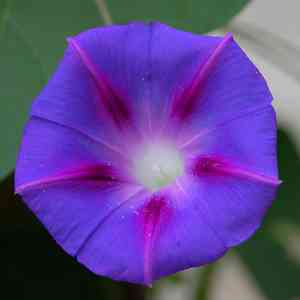
Low false bindweed flourishes when relocated in the initial part of spring or the middle of autumn, as these seasons facilitate superior root development. Choose a bright spot with soil that drains effectively for optimal outcomes. Relocation advice: hydrate completely and confirm that the roots are adequately covered.
What Preparations are Necessary Before Relocating Low False Bindweed?
What is the Optimal Period for Relocating Low False Bindweed?
The best times for moving low false bindweed, a perennial, are early spring or mid-autumn. These periods provide moderate temperatures and ample soil moisture, aiding root establishment before summer's intense heat or winter's freezing cold. Transplanting at these times maximizes growth potential and ensures better adaptation to the new site.
How Much Space Should You Allow Between Low False Bindweed Plants?
To provide low false bindweed sufficient room to flourish, position each plant 18-24 inches (45-60 cm) apart. This ensures they have adequate space to grow without competing for resources.
What is the Ideal Soil Mixture for Low False Bindweed Relocation?
Prepare soil that drains well and is enriched with organic material. Utilize a balanced, slow-release fertilizer to create a nutrient-rich environment for low false bindweed. This assists in developing strong roots.
Where Should You Move Your Low False Bindweed?
Place low false bindweed in a sunny location where it can receive full sunlight for at least 6-8 hours daily. This ensures the plant gets the necessary light for vigorous growth.
What Equipment Should You Prepare Before Moving Low False Bindweed?
Gardening Gloves
To safeguard your hands while handling soil and the plant.
Trowel or Small Shovel
For excavating the low false bindweed plant and creating a new planting hole.
Watering Can or Hose
To hydrate the plant before and after its relocation.
Garden Fork
To loosen the soil surrounding the plant in its original spot.
Bucket or Container
For transporting the plant if the new site is distant from the initial one.
How Do You Extract Low False Bindweed from the Ground?
How Do You Extract Low False Bindweed from the Ground?
From Ground: First, irrigate the low false bindweed plant to moisten the soil, making it easier to dig. Use a garden fork to gently loosen the soil around the plant. Dig a wide trench around the plant with a trowel or small shovel, ensuring the plant's root ball remains intact. Carefully lift the plant from its original spot using your hands or the shovel.From Pot: Gently water the low false bindweed plant in the container to loosen the soil. Hold the base of the plant and carefully pull it out of the pot while supporting the root ball. If necessary, tap the sides of the pot to help release the plant.From Seedling Tray: Water the seedlings to dampen the soil. Use a small trowel or your fingers to gently lift the low false bindweed seedlings from the tray. Be careful to avoid damaging the roots.
Step-by-Step Instructions for Relocating Low False Bindweed
Site Preparation
Dig a hole in the new location that is twice as wide and the same depth as the root ball of the low false bindweed plant. Ensure the soil in the new location is loose and drains well.
Transferring the Plant
Place the low false bindweed plant into the hole, making sure it is at the same depth as it was in its original spot. Fill the hole with soil, gently pressing it down to remove air pockets.
Watering
Water the plant thoroughly after relocation to help settle the soil around its roots.
Mulching
Apply a thin layer of mulch around the base of the low false bindweed plant to help retain moisture and prevent weeds.
How Do You Care For Low False Bindweed After Relocation?
Watering
Keep the soil around the low false bindweed consistently moist, but not waterlogged, for the initial few weeks after relocation to help establish strong roots.
Monitoring
Inspect the plant daily for the first week and regularly thereafter to ensure it is not wilting and appears healthy.
Mulching Maintenance
Ensure the mulch stays in place and add more if necessary to keep the soil moist. Avoid piling mulch against the plant stem.
Troubleshooting Common Issues with Low False Bindweed Relocation.
When is the best time to relocate low false bindweed?
Early spring or mid-fall is the ideal period to move low false bindweed.
How far apart should I space low false bindweed when relocating?
Space low false bindweed plants 18-24 inches (46-61 cm) apart for optimal growth.
How do I prepare the soil for low false bindweed relocation?
Ensure the soil is well-drained and enriched with compost for better growth.
Should I water low false bindweed immediately after relocating?
Yes, water thoroughly after relocation to help plants establish better.
What if the leaves of low false bindweed wilt after relocating?
Wilting is normal. Keep the soil moist but not soggy to aid recovery.
Can I relocate low false bindweed during hot summer days?
Avoid relocating low false bindweed during hot summer; it stresses the plants significantly.
How deep should I plant low false bindweed in the ground?
Plant low false bindweed at the same depth as it was in its original container.
Do I need to fertilize low false bindweed after relocating?
Fertilize lightly with a balanced fertilizer to support new growth.
How do I handle low false bindweed roots during relocation?
Handle the roots gently to avoid damaging them during the relocation process.
Should I prune low false bindweed before relocating?
Light pruning can reduce relocation shock, but avoid heavy pruning.



