How to Prune Low false bindweed?
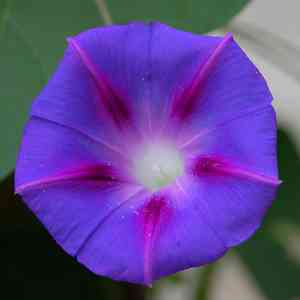
Dwarf false bindweed, a ground-hugging perennial, benefits most from pruning between late winter and early spring. Eliminate any deceased or compromised stalks to foster robust development and avert illness. A gentle trim after blooming can enhance its neatness. Consistent cutting back aids in controlling its aggressive spreading tendency, guaranteeing regulated expansion. The most effective pruning periods coincide with its developmental rhythm to reduce strain. Cultivators must utilize sanitized, keen implements to prevent harm to the plant. Consult professional botanical advice for localized cultivation techniques.
Advantages of Trimming Low False Bindweed
Advantages of Trimming Low False Bindweed
Low false bindweed will grow robustly and maintain its form through consistent trimming. This encourages vigorous development, manages plant dimensions, deters pests, enhances aesthetic appeal, and boosts blooming. Trimming also prevents congestion, ensuring better air movement and light exposure.
Optimal Period for Pruning Low False Bindweed
Optimal Period for Pruning Low False Bindweed
Pruning or trimming low false bindweed during early spring or late winter aligns with its dormant phase and the onset of its active growth cycle. Pruning at these times helps minimize plant stress and promotes healthy new growth as the growing season commences. Additionally, these periods precede the flowering of low false bindweed, ensuring that pruning does not disrupt its blooming cycle, thereby preserving its ornamental value.
Tools Required for Pruning Low False Bindweed
Hand Pruners
Perfect for precise cuts on smaller stems. They are essential for removing dead or damaged growth and maintaining the plant's overall shape.
Long-handled Loppers
Useful for reaching and cutting thicker stems that are otherwise difficult to access. Their leverage helps reduce physical strain.
Garden Shears
Helpful for quickly trimming larger areas and maintaining uniform growth. They are suitable for cutting back overgrown and tangled vines.
Bypass Pruners
Preferred for their clean cuts, which help minimize damage to plant tissues. They are particularly effective for new growth and smaller branches.
How to Prune Low False Bindweed
Identify
Examine low false bindweed to locate diseased or withered leaves that need to be removed.
Tool prep
Sanitize your pruning shears with rubbing alcohol to prevent the spread of disease.
Trim diseased
Cut off any diseased leaves at their base, ensuring the entire affected area is removed.
Trim withered
Prune away withered leaves by cutting them cleanly at their base.
Cleanup
Dispose of all removed leaves and plant debris to prevent infection or pest infestation.
Common Pruning Errors with Low False Bindweed
Over-pruning
Removing too much foliage at once can stress low false bindweed and hinder its growth and flowering potential.
Improper cuts
Making jagged or uneven cuts can injure the plant and increase its susceptibility to disease.
Ignoring diseased or damaged parts
Failing to remove dead, diseased, or damaged parts can harbor pests and diseases, impacting overall plant health.
Pruning at the wrong growth stage
Pruning during active growth instead of dormancy or after blooming can disrupt the plant's development and lead to poor flowering.
Not sterilizing tools
Using uncleaned tools can spread pathogens from one plant to another, potentially causing infections and diseases.
General Pruning Advice for Low False Bindweed
Clean cuts
Always use sharp, sterilized pruning shears to make clean cuts, which helps the plant heal faster and reduces the risk of infection.
Focus on shape and size
Prune to shape low false bindweed in a way that maintains an open center to improve air circulation and light penetration, supporting healthier growth.
Remove inward-growing branches
Cut away any branches that grow towards the plant's center to prevent overcrowding and enhance air flow.
Start small
For new gardeners, begin by removing only a small portion of the plant (no more than one-third) to avoid over-pruning stress.



