How to Propagate Low false bindweed?
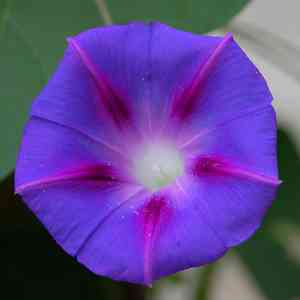
The low false bindweed is a perennial herb featuring appealing white or light pink blossoms. To achieve successful propagation, utilize cuttings from robust specimens, confirm they possess multiple nodes, embed them in a soil blend that drains effectively, and maintain consistent moisture in the substrate until root systems develop. After rooting, transfer them to prepped garden plots, ensuring sufficient distance to avoid excessive density.
When Is the Optimal Time to Propagate Low False Bindweed?
Propagation Method
Cutting
Propagation Period
Spring,Summer
What Equipment Is Used for Low False Bindweed Propagation?
Pruning Shears
Pruning shears are crucial for obtaining cuttings from low false bindweed. They enable precise, clean cuts, minimizing harm to the parent plant and boosting the likelihood of successful root formation in the cutting.
Rooting Hormone
Rooting hormone is applied to boost root growth in low false bindweed cuttings. This hormone encourages quicker and stronger root development, which is vital for the cutting's establishment and overall vitality.
Sterile Gloves
Sterile gloves help prevent the introduction of disease-causing agents to low false bindweed during the cutting process. They are particularly important for avoiding disease transmission and ensuring a clean environment for the cuttings.
Propagation Trays
Propagation trays offer an organized and regulated setting for rooting low false bindweed cuttings. They facilitate easy monitoring of moisture levels and temperature, both critical for successful propagation.
Mist Sprayer
A mist sprayer is employed to maintain consistent moisture levels around low false bindweed cuttings. Keeping appropriate humidity is essential to prevent the cuttings from drying out, promoting successful rooting.
Heat Mat
A heat mat can provide warmth to the base of low false bindweed cuttings, encouraging faster root development. The steady heat helps stimulate root initiation and growth, especially in cooler settings.
Sharp Knife or Scalpel
A sharp knife or scalpel is necessary for making accurate cuts on low false bindweed stems. This tool ensures clean cuts, which reduce the risk of infection and promote better root formation.
Humidity Dome
A humidity dome placed over the propagation tray can create a high-humidity microenvironment, which benefits low false bindweed cuttings. This controlled setting helps prevent dehydration and encourages rooting.
Labeling Stakes
Labeling stakes are used to track different cuttings and their propagation dates. This is important for monitoring the progress and success rates of low false bindweed cuttings.
How to Propagate Low False Bindweed?
Propagation Difficulty
Moderately Difficult
How to Care for Your Newly Propagated Low False Bindweed?
How to Care for Your Newly Propagated Low False Bindweed?
Once the cuttings have rooted and started to show new growth, gradually accustom the new plants to normal humidity levels by removing any covers. Transplant the rooted cuttings into larger containers or directly into the garden in a spot with well-draining soil and partial to full sun. Water regularly but allow the soil to dry out between waterings to prevent root rot. Apply a balanced, all-purpose fertilizer monthly to support healthy growth. Regularly check for pests and diseases, and prune as needed to encourage a bushy growth habit and prevent the plant from becoming overly invasive.
Common Errors to Avoid When Propagating Low False Bindweed
Overwatering
Excessive watering can lead to root rot, as low false bindweed prefers well-drained soil.
Improper Soil
Using heavy, clay-based soil can impede root development since low false bindweed thrives in loamy or sandy soils.
Inadequate Light
Placing low false bindweed in a shaded area can hinder its growth because it requires full sun for vigorous development.
Ignoring Pests
Failing to monitor for pests like aphids and spider mites can result in significant harm to young plants.
Poor Ventilation
Crowding plants too closely can lead to fungal issues due to insufficient air circulation around low false bindweed.
Advice for Propagating Low False Bindweed
Well-Drained Soil
Use a sandy or loamy soil mix to ensure proper drainage and prevent root rot.
Monitor Watering
Water sparingly; allow the soil to dry out between waterings to avoid soggy conditions.
Full Sun Exposure
Place low false bindweed in a location where it receives ample sunlight for optimal growth.
Pest Control
Regularly inspect the plant for pests and treat immediately if any are found to protect young plants.
Adequate Spacing
Ensure sufficient spacing between plants to promote good air circulation and reduce the risk of fungal infections.



