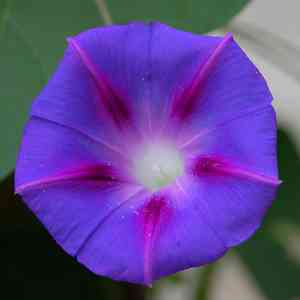
Low false bindweed (Calystegia spithamaea)
Also known as: Low Bindweed, Upright Bindweed
Low false bindweed typically grows in sandy or rocky areas with well-drained soils. This perennial vine features lush, arrowhead-shaped leaves and large, white, trumpet-like flowers that appear from late spring to summer. Its climbing or sprawling nature helps it maximize sunlight exposure, making it prominent in open landscapes.
In This Article
Attributes of Low false bindweed
Lifespan
Perennial
Plant Type
Vine, Herb
Plant Height
8 cm to 51 cm
Spread
Not applicable; it is a vining plant
Leaf Color
Green
Flower Size
2 inches
Flower Color
White
Images of Low false bindweed
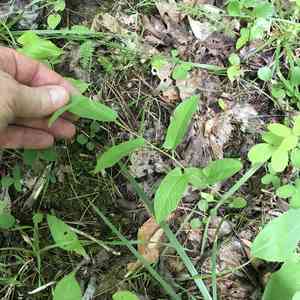
Quickly Identify Low false bindweed
1
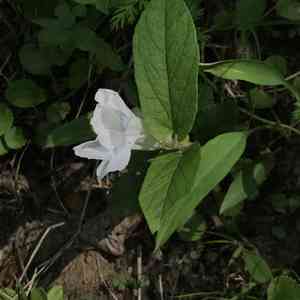
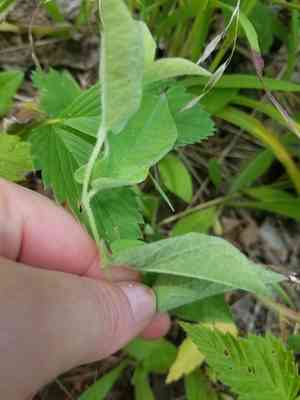
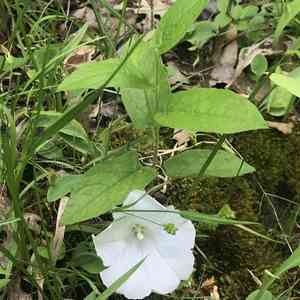
This plant can be identified by its vining habit, heart-shaped leaves, and large, funnel-shaped white or pink flowers. The flowers are typically around 2 inches in diameter and appear in summer.
Scientific Classification of Low false bindweed
Phylum
Vascular plants
Class
Dicotyledons
Order
Solanales
Family
Morning-glory
Genus
Bindweeds
Species
Low false bindweed
Planting and Growing of Low false bindweed
Care Difficulty
Easy
Watering Schedule
Every 4 days
Sunlight Requirements
Full sun
Sunshine Duration
4-8 hours
Ideal Temperature
60-75℉
Soil Type
Potting Mix, Peat Mix
Soil pH
6.5-7.5
Fertilizer Type
Balanced
Pruning Season
Spring, Summer
Pruning Area
Branches, Leaves
Pruning Frequency
2 times a year
Repotting Season
Spring
Pot Type
Plastic, Terracotta
 How to Water Low false bindweed?
Calystegia spithamaea thrives with a watering routine that ensures the soil remains consistently moist but not waterlogged. During each watering session, give the plant approximately 250 milliliters of water. This volume is ideal to sufficiently hydrate the roots without causing the soil to become overly saturated, which can lead to root rot.
What are the symptoms of an underwatered Low false bindweed?
›
What should I do if my Low false bindweed is not getting enough water?
›
What are the symptoms of an overwatered Low false bindweed?
›
How to save an overwatered Low false bindweed?
›
 What Are the Sunlight Requirements for Low false bindweed?
Partial sun to full sun is recommended. Optimal light ensures resilience, promotes efficient flowering, enhances growth, and prevents common light-related issues.
What is the best lighting for Calystegia spithamaea?
›
How can you achieve ideal light conditions?
›
What benefits come from ideal light conditions?
›
 What Is the Ideal Temperature Range for Low false bindweed?
Calystegia spithamaea thrives best in temperatures ranging from 60°F to 75°F. These conditions mimic its natural habitat, helping the plant maintain optimal growth rates and flowering potential. Consistency in this temperature range can prevent stress and ensure robust development.
 What Soil is Best for Low false bindweed?
Calystegia spithamaea thrives in soil that offers excellent drainage, preventing waterlogging and root rot. The ability to drain quickly helps maintain root health and supports robust plant growth. This plant benefits from nutrient-rich soil, which supports its lush foliage and vibrant flowers. Balanced nutrients promote healthier and more vigorous growth, resulting in more blooms. While preferring well-drained soil, Calystegia spithamaea requires moderate moisture. This balance ensures that the plant remains hydrated without being exposed to overly wet conditions.
 How to Fertilize Low false bindweed?
Calystegia spithamaea thrives on a balanced nutrient diet. It's essential to use a 10-10-10 NPK fertilizer, applied at a rate of 1 tablespoon per gallon of water for liquid feeds. Solid fertilizers should be used sparingly at 1/4 cup per plant.
 How to Prune Low false bindweed?
Begin by removing any dead, damaged, or diseased growth to promote healthy development. Next, trim away any overcrowded branches to allow better air circulation amongst the foliage. Ideally, make cuts just above a pair of healthy leaves or buds to encourage new growth. Regular pruning helps shape the plant and supports a more robust flowering cycle. Once the basic pruning is done, focus on shaping the plant. For Calystegia spithamaea, maintaining a tidy, bush-like shape helps it utilize light more effectively and supports a dense flowering display. Use gradual cuts to slowly train the plant into the desired form without overly aggressive pruning. This careful approach helps avoid stress and maintains plant vigor.
More About Pruning Techniques→
 How to Propagate Low false bindweed plant?
1
Collect seeds from mature Calystegia spithamaea plants at the end of their flowering season. Clean and dry the seeds thoroughly; this step is critical to prevent fungal diseases during germination.
2
Select a healthy stem from the parent plant and cut a segment of about 4-6 inches long. Remove leaves from the lower half of the cutting, and dip the cut end into rooting hormone to enhance root formation.
3
Lift the parent plant gently from the soil during its dormancy period. Divide the root clump using a sharp knife, ensuring each section has roots and shoots. Replant divisions immediately to minimize root exposure to air.
 How to Repot Low false bindweed plant?
1
Calystegia spithamaea shows signs for repotting when roots start peeking through drainage holes or the growth noticeably slows. Ideally, repot during milder weather in spring or autumn for best results.
2
Select a pot that is only slightly larger than the current one. This aids in proper root development and prevents overwatering by maintaining more controlled soil moisture.
3
Opt for well-draining loamy soil, supplemented with compost to enrich nutrients. This balance allows for adequate drainage, preventing root rot and supporting healthy root growth.



