How to Transplant Bearded grasspink?
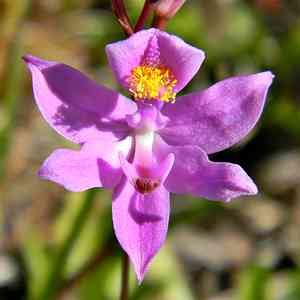
Bearded grasspink flourishes most effectively when relocated from mid-summer through early autumn, since the warm ground and cooler atmosphere facilitate root development. Select a bright, damp spot, and verify that the earth drains properly for peak proliferation.
What Preparations are Needed Before Transplanting Bearded Grasspink?
What is the Ideal Time for Transplanting Bearded Grasspink?
Bearded grasspink, a perennial plant, is best moved in late summer to early fall. This period allows the plant to establish roots before winter dormancy, leading to robust growth in the spring. Transplanting during this time minimizes heat stress and optimizes soil moisture, ensuring better survival and thriving of bearded grasspink in its new location.
How Much Space Should You Leave Between Bearded Grasspink Plants?
When transplanting bearded grasspink, make sure to space each plant 6-12 inches (15-30 cm) apart. This gives them ample room to grow and ensures good air circulation, which helps prevent diseases. Happy planting!
What is the Best Soil Mix for Bearded Grasspink Transplanting?
For bearded grasspink, choose a well-draining, slightly acidic to neutral soil (pH 6.0-7.0). You can mix in compost or a balanced, slow-release fertilizer to enrich the soil. Ensure to till the soil well before transplanting to help the roots establish.
Where Should You Relocate Your Bearded Grasspink?
Bearded grasspink loves sunlight! Select a location in your garden that receives full sun for at least 6 hours a day. This will promote healthy growth and blooming. If full sun is tricky, a spot with partial shade will still work.
What Equipments Should You Prepare Before Transplantation Bearded Grasspink?
Gardening Gloves
To protect your hands while working with the soil and plant.
Hand Trowel
To dig and lift the root ball out of its original location.
Shovel
To create a planting hole in the ground for the bearded grasspink plant.
Watering Can
To water the plant before and after transplanting.
Pruning Shears
To trim any damaged roots or foliage during the transplant process.
Garden Fork
For gently loosening the soil around the root ball.
Bucket
To hold water for soaking the plant before transplanting.
Plant Markers
To label the new location of the bearded grasspink plant for easy identification.
How Do You Remove Bearded Grasspink from the Soil?
How Do You Remove Bearded Grasspink from the Soil?
From Ground: First, water the bearded grasspink plant to dampen the soil. Then, dig a wide trench around the plant using a shovel, ensuring the root ball remains intact. Carefully work the spade under the root ball to lift the plant from its original location.From Pot: Water the plant until the soil is well-hydrated. Gently tap the sides of the pot to loosen the soil. Tilt the pot and carefully slide the plant out, supporting the root ball with your hand.From Seedling Tray: Water the seedlings about an hour before transplanting. Use a hand trowel or a small spoon to lift each seedling by its roots, taking care not to damage them.
Step-by-Step Guide for Transplanting Bearded Grasspink
Site Preparation
Choose a location with appropriate conditions for the bearded grasspink plant. Dig a hole that's twice the width and the same depth as the plantâs root ball.
Removing Plant
Depending on the original location, follow the appropriate removal process to carefully lift the bearded grasspink plant.
Soaking Roots
Place the root ball in a bucket of water to hydrate the roots thoroughly before planting.
Planting
Position the bearded grasspink plant in the center of the hole. Ensure the top of the root ball is level with the surrounding soil.
Backfilling
Fill the hole with soil, gently firming it around the root ball to eliminate air pockets.
Watering In
Water the plant generously to help settle the soil around the roots.
Mulching
Apply a thin layer of mulch around the base of the plant to retain moisture and regulate soil temperature.
How Do You Care For Bearded Grasspink After Transplanting?
Watering
Keep the soil around the bearded grasspink consistently moist, but not soggy, for the first few weeks after transplanting to help establish strong roots.
Monitoring
Regularly check for signs of stress, such as wilting or yellowing leaves, and adjust care as needed.
Support
If the plant shows signs of toppling over, use stakes or supports to help it remain upright until it's established.
Weeding
Keep the area around the bearded grasspink plant free from weeds to reduce competition for nutrients and water.
Troubleshooting Common Issues with Bearded Grasspink Transplantation.
When is the best time to transplant bearded grasspink?
Mid-summer to early fall is ideal for transplanting bearded grasspink to ensure successful establishment.
How much space should I leave between transplants?
Space your bearded grasspink plants 6-12 inches (15-30 cm) apart for optimal growth.
What type of soil suits bearded grasspink best?
Bearded grasspink thrives in well-draining, slightly acidic soil with good organic matter content.
How do I prepare bearded grasspink for transplanting?
Water bearded grasspink thoroughly before transplanting to reduce stress and ensure better root contact.
How deep should I plant bearded grasspink?
Plant bearded grasspink at the same depth it was previously growing to avoid root stress.
How should I handle the roots during transplanting?
Be gentle with bearded grasspink's roots to prevent damage; tangled roots should be carefully untangled.
What watering routine should I follow post-transplant?
Keep the soil consistently moist but not waterlogged until bearded grasspink is well-established.
Can bearded grasspink tolerate full sunlight?
Bearded grasspink prefers partial sunlight but can tolerate full sun if given adequate watering.
What can I do if bearded grasspink shows signs of transplant shock?
Reduce stress with regular watering, mulching, and avoid fertilizing immediately after transplanting bearded grasspink.
Should I fertilize bearded grasspink after transplanting?
Wait until bearded grasspink is established before fertilizing to avoid nutrient burn and stress.



