How to Propagate Bearded grasspink?
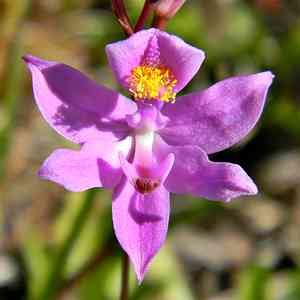
Calopogon barbatus, a beautiful orchid species, flourishes in damp, acidic substrates with ample light and atmospheric moisture. For reproduction, separation is the most efficient method; carefully divide the tubers, making sure each section has at least one developing bud. Promptly reintroduce them to comparable environmental conditions, providing moderate hydration. This technique fosters more robust, energetic plants and boosts their flowering capacity, ideal for experienced horticulturists and hobbyists alike.
Optimal Time for Bearded Grasspink Propagation
Propagation Method
Division
Propagation Period
Spring,Autumn
Tools for Bearded Grasspink Propagation
Garden Fork
A garden fork is crucial for gently lifting and separating bearded grasspink clumps without harming the roots. It enables careful, controlled plant separation, minimizing root disturbance, which is vital for successful division.
Sharp Knife or Hori Hori
A sharp knife or Hori Hori garden tool is essential for precise cuts through rhizomes or roots during bearded grasspink division. Clean cuts reduce disease risk and promote faster healing, leading to healthier post-division growth.
Plant Labels
Plant labels help identify divided bearded grasspink sections, ensuring each new division is properly marked. This is critical for accurate record-keeping, especially when making multiple divisions.
Rooting Hormone
Rooting hormone can be applied to cut bearded grasspink sections to stimulate root development and improve successful establishment after division. This is particularly beneficial for species with slower rooting processes.
Pruners
Pruners are used to remove any damaged or dead parts of bearded grasspink during division. This helps prevent disease spread and ensures only healthy plant material is propagated.
Clean Pots and Sterile Potting Mix
After division, planting bearded grasspink sections in clean pots with sterile potting mix prevents infections and provides a healthy environment for new plants. Clean and sterile pots and mix are crucial for reducing fungal or bacterial issues.
Watering Can with Fine Rose
A watering can with a fine rose (sprinkling head) ensures gentle, even water distribution. This is important for newly divided bearded grasspink sections to prevent waterlogging and keep the potting medium consistently moist.
How to Propagate Bearded Grasspink?
Propagation Type
Easy
Caring for Newly Propagated Bearded Grasspink
Caring for Newly Propagated Bearded Grasspink
After propagation, maintain consistent moisture, preventing the soil from completely drying out. Lightly fertilize with a balanced, water-soluble fertilizer every 4-6 weeks during the growing season. Shield bearded grasspink from extreme temperatures and strong winds. Regularly check for pests or diseases, taking appropriate action to maintain plant health. Prune spent flowers to encourage further blooming and robust growth.
Common Mistakes to Avoid When Propagating Bearded Grasspink
Incorrect Soil Composition
Using dense or heavy soil can lead to poor drainage, resulting in root rot and fungal diseases.
Overwatering
Excessive moisture can drown roots and hinder proper growth, encouraging fungal development and root diseases.
Improper Light Conditions
Placing bearded grasspink in full sun or complete shade can stress the plant, as it requires partial sunlight to thrive.
Neglecting Humidity Requirements
Failing to maintain adequate humidity levels can cause dehydration, leaf burn, and reduced growth.
Using Off-Season Techniques
Attempting propagation during the wrong time can reduce the success rate and stress the plant.
Tips For Propagating Bearded Grasspink
Use Well-Draining Soil
Choose a light, well-draining mix, such as pine bark, peat, and sand, to promote root health and prevent waterlogging.
Moderate Watering
Water sparingly, ensuring the soil is moist but not soggy. Use a misting spray to avoid overwatering.
Provide Partial Sunlight
Position bearded grasspink in an area that receives partial sunlight, ensuring adequate light without direct, intense sun exposure.
Maintain High Humidity
Use humidity trays or place bearded grasspink in a greenhouse environment to ensure consistent humidity levels around the plant.
Use Sterilized Tools
Always use sterilized tools and containers to prevent the introduction of pathogens during propagation.



