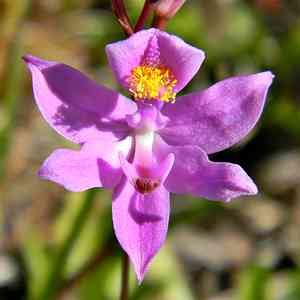
Bearded grasspink (Calopogon barbatus)
Also known as: Bearded Grass-pink, Bearded Calopogon
Calopogon barbatus, commonly known as the bearded grass-pink, is an orchid species indigenous to the southeastern United States, spanning from Louisiana to North Carolina.
In This Article
Attributes of Bearded grasspink
Lifespan
Perennial
Plant Type
Herb
Plant Height
1 to 2 feet
Spread
Not applicable
Leaf Color
Green
Flower Size
1 to 1.5 inches
Flower Color
Pink
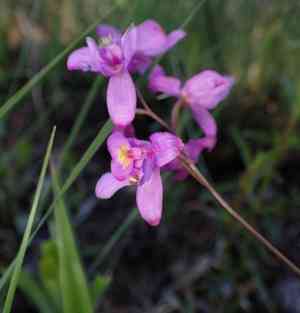
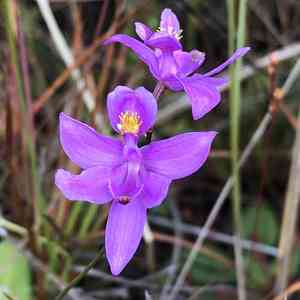
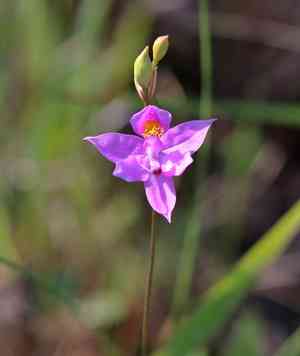
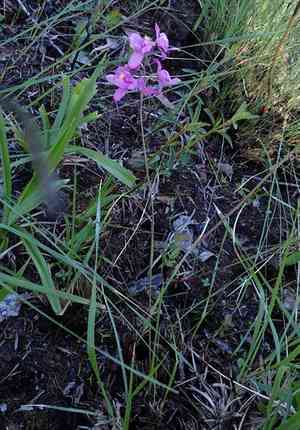
Images of Bearded grasspink
Quickly Identify Bearded grasspink
1
The plant can be identified by its grass-like leaves and tall flower spikes that bear multiple pink blooms with a distinctive bearded lip.
Scientific Classification of Bearded grasspink
Phylum
Vascular plants
Class
Monocotyledons
Order
Asparagales
Family
Orchid
Genus
Grass pink
Species
Bearded grasspink
Planting and Growing of Bearded grasspink
Care Difficulty
Hard
Watering Schedule
Every 3 days
Sunlight Requirements
Full sun
Sunshine Duration
6-10 hours
Ideal Temperature
60-75℉
Soil Type
Potting Mix, Peat Mix
Soil pH
6.5-7.5
Fertilizer Type
Balanced
Pruning Season
Spring, Summer
Pruning Area
Branches, Leaves
Pruning Frequency
2 times a year
Repotting Season
Spring
Pot Type
Plastic, Ceramic
 How to Water Bearded grasspink?
When watering Calopogon barbatus, ensure the soil is evenly moist but not waterlogged. The plant thrives in environments where the soil remains consistently moist, mimicking its natural habitat of marshy or boggy areas. A standard watering session should involve approximately 250 ml of water, enough to soak the top few inches of soil.
What are the symptoms of an underwatered Bearded grasspink?
›
What should I do if my Bearded grasspink is not getting enough water?
›
What are the symptoms of an overwatered Bearded grasspink?
›
How to save an overwatered Bearded grasspink?
›
 What Are the Sunlight Requirements for Bearded grasspink?
Calopogon barbatus prefers a mix of full and partial sun exposure. Optimal lighting supports healthy flowering and vibrant leaf coloration, as well as promotes a strong growth habit vital for its prosperity.
How much sunlight does Calopogon barbatus need?
›
What are the solutions to ensure ideal lighting?
›
What are the benefits of ideal lighting for Calopogon barbatus?
›
 What Is the Ideal Temperature Range for Bearded grasspink?
Calopogon barbatus thrives best in temperatures ranging from 60°F to 75°F. This range ensures optimal growth and development, providing a suitable environment that mimics its natural habitat. These temperatures support the plant's biological processes, such as photosynthesis and respiration.
 What Soil is Best for Bearded grasspink?
Calopogon barbatus thrives in well-drained soils, which prevent waterlogging that can lead to root rot. This kind of soil ensures that excess water is channeled away quickly, maintaining an ideal moisture balance for the plant's roots. A nutrient-rich substrate provides essential minerals and nutrients that Calopogon barbatus needs for optimal growth and flowering. Such a substrate ensures healthy and vigorous plant development, supporting a robust blooms display. The soil needs to retain some moisture, even though it is well-draining. This balance secures a consistent water supply to the roots, which is crucial during dry spells and supports prolonged flowering periods.
 How to Fertilize Bearded grasspink?
For Calopogon barbatus, application of liquid fertilizer should be moderate, using one-quarter strength recommended on most fertilizers. Over-fertilization can hinder blooming and root development, so a gentle approach is key.
 How to Prune Bearded grasspink?
The best time to prune Calopogon barbatus is in the early spring after the threat of frost has passed. Pruning too late in the season can reduce the flowering for the year. Excessive pruning can stunt growth and reduce future blooms. Focus on removing only dead or damaged parts of the plant to maintain its natural form and beauty.
More About Pruning Techniques→
 How to Propagate Bearded grasspink plant?
1
For seed propagation, create a well-draining soil mix suitable for orchids. A combination of peat, perlite, and pine bark often works well, providing proper aeration and moisture retention.
2
Scatter the seeds on the soil mix and lightly cover them with a thin layer of the same mix. Maintain moisture but ensure the surface is not waterlogged to avoid rot.
3
During division, gently remove the mother plant from its pot and separate the pseudobulbs. Ensure each division has sufficient roots and pseudobulbs to establish itself effectively.
 How to Repot Bearded grasspink plant?
1
Calopogon barbatus should be repotted when it outgrows its current pot or shows reduced growth, often signaled by roots circling inside the pot or growing out of drainage holes. Repotting in spring or early summer allows the plant to establish in the new container during its active growth season, making this time optimal for minimal stress.
2
Choose a pot that is 1-2 inches wider in diameter than the current pot, preferably made of breathable materials like clay. This promotes healthy root aeration and helps prevent waterlogging. Ensure the new pot has sufficient drainage holes to facilitate proper water flow, preventing root rot.
3
Opt for a sandy, well-draining soil mix. This kind of soil mimics its natural habitat, providing good drainage while retaining necessary moisture and nutrients. A blend of peat, sand, and perlite works well, creating a balanced environment that supports healthy growth and prevents root suffocation.
Learn More About Bearded grasspink Diseases
Anthracnose
Bacterial Leaf Spot
Bacterial Soft Rot
Bacterial Wilt
Chemical Injury
Damping-off
Downy Mildew
Drought Stress
Fusarium Wilt
Gray Mold
Leaf Curl
Leaf Spot
Mosaic
Nutrient Deficiency
Nutrient Toxicity
Powdery Mildew
Root Rot
Root-knot Nematode
Rusts
Sooty Mold
Spider Mites
Temperature Stress
Thrips Damage
White Mold



