How to Prune Bearded grasspink?
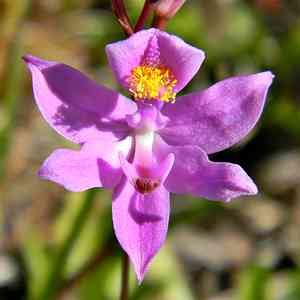
Calopogon barbatus displays vibrant, orchid-like blossoms and slender, grass-like foliage. Perform pruning on Calopogon barbatus during the initial part of spring or summer to eliminate faded flower stalks and deceased leaves. Cut them down to the ground level, which helps keep the plant neat and stimulates vigorous development. Strategic trimming improves air movement, lowers the chance of illness, and extends the flowering duration. Refrain from pruning in late autumn to safeguard against harm during winter. Regular upkeep guarantees more robust and colorful presentations.
What Are the Benefits of Pruning Bearded Grasspink?
What Are the Benefits of Pruning Bearded Grasspink?
Trimming bearded grasspink encourages robust development and helps preserve its form. Regular trimming manages size, boosts blooming, eliminates unhealthy sections, and enhances overall look, making bearded grasspink more resistant to pests and diseases.
What Is the Best Time for Pruning Bearded Grasspink?
What Is the Best Time for Pruning Bearded Grasspink?
Pruning bearded grasspink in spring and summer is optimal due to its growth cycle. In early spring, bearded grasspink starts to emerge from dormancy and enters active growth, making it an excellent period for trimming to foster healthy development and flower production. Trimming in summer, ideally post-flowering, helps control the plant's size and health, ensuring it has ample time to recover and store nutrients before its next dormant phase. Avoiding late fall or winter pruning is crucial as trimming outside the growing season can stress the plant and hinder its ability to thrive the following year.
What Tools Do I Need to Prune Bearded Grasspink?
Hand Pruners
Perfect for snipping off dead or damaged foliage. High-accuracy cuts aid in maintaining the plant's vitality.
Pruning Shears
Useful for cutting through thicker stems without harming the rest of the plant. Provides a clean cut, preventing disease.
Long-Reach Pruners
Allows access to taller or denser areas without damage. Essential for maintaining shape and size.
Sharpening Stone
Ensures all tools stay sharp. Sharp tools create cleaner cuts, reducing the risk of plant stress.
How to Prune Bearded Grasspink
Sanitize Tools
Clean and disinfect all pruning tools with a bleach and water mixture (1:9 ratio) to prevent disease spread from one plant part to another.
Identify Diseased Leaves
Carefully inspect bearded grasspink for any unhealthy leaves. These can be identified by discoloration, spots, or unusual textures. Mark these leaves for removal.
Remove Diseased Leaves
Using disinfected shears, trim the diseased leaves as close as possible to the base without harming healthy parts of bearded grasspink. Dispose of removed leaves away from the plant area to prevent reinfection.
Identify Withered Leaves
Spot any dried-up leaves on bearded grasspink that have turned brown or shriveled. These are typically found towards the base or older sections of the plant.
Cut Withered Leaves
Trim withered leaves using sanitized shears, making a clean cut at the base where the leaf meets the stem. Ensure all withered leaves are removed to maintain plant health.
Common Pruning Mistakes with Bearded Grasspink
Incorrect Technique
Using improper tools or making incorrect cuts can harm bearded grasspink, leading to poor growth or plant stress. Avoid using dull or dirty pruning shears as they can introduce disease and make jagged cuts.
Over-pruning
Excessive trimming can weaken bearded grasspink and reduce flowering. Removing too much foliage can deprive the plant of energy needed for regeneration and blooming.
Pruning at the Wrong Time
Although seasonal timing is excluded here, pruning at inappropriate times within an allowed window might hinder bearded grasspink's ability to heal and properly develop flowers.
Ignoring Plant Health
Failing to sanitize tools or cutting away diseased or dead parts cautiously can spread infections throughout bearded grasspink.
Neglecting to Remove Spent Flowers
Allowing old flowers to remain can prevent bearded grasspink from producing new blooms effectively.
Common Pruning Tips for Bearded Grasspink
Use Sharp and Clean Tools
Ensure pruning tools are sharp and sterilized to make clean cuts and prevent disease. Clean tools with rubbing alcohol between cuts if dealing with diseased parts.
Make Precise Cuts
Cut just above node or leaf, ensuring not to damage the main stem. Precision helps in maintaining the plant's structure and encouraging healthy regrowth.
Remove Spent Flowers
Regularly deadhead spent flowers to encourage more blooms and prevent potential plant stress. This helps redirect energy to new growth.
Selective Pruning
Focus on removing dead, damaged, or diseased parts first. Aim to only trim healthy parts minimally to avoid stressing bearded grasspink.
Understand Plant's Growth Pattern
Recognize and respect bearded grasspink's growth habit to understand where and how to prune for optimal flower production and plant health.



