How to Transplant Beavertail grass?
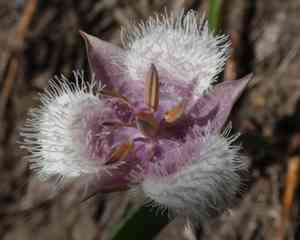
Beavertail grass flourishes when relocated from the beginning to the end of spring, the period when the ground is pliable and temperatures are moderate. Select a bright, adequately drained spot to facilitate its rapid establishment. Provide steady hydration until its root system is developed.
What Preparations are Needed Before Transplanting Beavertail Grass?
What is the Ideal Time for Transplanting Beavertail Grass?
Beavertail grass, a Perennial plant, thrives best when moved from early spring through its final weeks. This period ensures the ground is adequately warm, promoting superior root establishment. Early season relocation minimizes transplant stress, utilizes spring rainfall, and provides ample time for development before summer heat, enhancing overall vitality and stability.
How Much Space Should You Leave Between Beavertail Grass Plants?
Ensure you space beavertail grass 4-6 inches (10-15 cm) apart to give each plant sufficient room for comfortable growth.
What is the Best Soil Mix for Beavertail Grass Transplanting?
Prepare soil that drains well, ideally sandy or loamy. Enrich the soil with a base layer of compost or a balanced fertilizer to supply essential nutrients for beavertail grass's development.
Where Should You Relocate Your Beavertail Grass?
Choose a sunny spot for beavertail grass, as it flourishes best in full sunlight. Aim for a location that receives at least 6 hours of direct sun daily.
What Equipments Should You Prepare Before Transplantation Beavertail Grass?
Gardening Gloves
To safeguard your hands while handling soil and plants.
Shovel or Spade
For digging around and lifting the plant.
Trowel
For more precise digging tasks and working in confined areas.
Wheelbarrow
To easily move the plant and soil.
Watering Can
For supplying moisture to the plant and soil.
Pruners
To trim away any dead or damaged roots or foliage.
How Do You Remove Beavertail Grass from the Soil?
How Do You Remove Beavertail Grass from the Soil?
From Ground: Water the beavertail grass plant to moisten the soil. Next, dig a wide trench around the plant using a shovel or spade, ensuring the root ball remains intact. Work the spade under the root ball to carefully lift the plant from its original spot.From Pot: Water the soil to dampen it. Gently tap around the sides of the pot to loosen the soil and plant. Carefully slide the beavertail grass plant out, supporting the root ball with your hand.From Seedling Tray: Water the seedlings to facilitate their removal. Use a trowel or your fingers to gently lift each seedling from the tray, taking care not to harm the roots.
Step-by-Step Guide for Transplanting Beavertail Grass
Prepare the New Location
Dig a hole that is twice the width of the beavertail grass plant's root ball and equally deep. Ensure the spot has the appropriate sunlight and space needed for the beavertail grass plant's mature size.
Amend the Soil
If necessary, modify the soil to meet the optimal requirements for the beavertail grass plant. This might involve adding compost to enhance soil structure and fertility.
Remove the Plant
Follow the appropriate steps for extracting the beavertail grass plant from its initial location.
Plant the beavertail grass
Place the beavertail grass plant into the prepared hole, ensuring it sits at the same depth it was in its original location. Fill the hole with soil, gently firming it around the root ball to eliminate air pockets.
Water Thoroughly
Water the transplanted beavertail grass plant immediately after planting to help settle the soil around the roots and reduce transplant shock.
Mulch the Plant
Apply a layer of mulch around the base of the beavertail grass plant to help retain moisture and suppress weeds.
How Do You Care For Beavertail Grass After Transplanting?
Watering
Keep the soil around the beavertail grass consistently moist, but not waterlogged, for the initial few weeks after transplanting to aid in establishing strong roots.
Monitoring
Regularly check for any indications of stress or pests on the beavertail grass plant and address any issues promptly.
Weed Control
Keep the area around the beavertail grass free of weeds that may compete for nutrients and moisture.
Feeding
After a few weeks, consider feeding the beavertail grass plant with a balanced fertilizer if needed to promote healthy growth.
Troubleshooting Common Issues with Beavertail Grass Transplantation.
When is the best time to transplant beavertail grass?
The ideal time to transplant beavertail grass is from early spring to late spring.
How far apart should beavertail grass plants be spaced?
Space beavertail grass plants about 4-6 inches (10-15 cm) apart to ensure healthy growth.
What type of soil is best for beavertail grass?
Well-draining soil is best for beavertail grass to prevent root rot and ensure optimal growth.
How should I prepare beavertail grass for transplanting?
Water beavertail grass thoroughly before transplanting to reduce stress and ease removal from the soil.
What's the best way to handle beavertail grass's roots during transplanting?
Handle beavertail grass's roots gently and ensure they remain moist to avoid damage and shock.
How deep should beavertail grass be planted?
Plant beavertail grass at the same depth as it was in its original container or ground.
What is the ideal temperature for transplanting beavertail grass?
Transplant beavertail grass when temperatures are between 50-70°F (10-21°C) to avoid extreme heat or cold stress.
Should I fertilize beavertail grass right after transplanting?
Wait a few weeks after transplanting beavertail grass before fertilizing to allow roots to settle.
How often should beavertail grass be watered after transplanting?
Water beavertail grass moderately after transplanting, keeping the soil consistently moist but not waterlogged.
How can I protect beavertail grass from transplant shock?
Shield beavertail grass from direct sunlight and strong winds immediately after transplanting to minimize shock.



