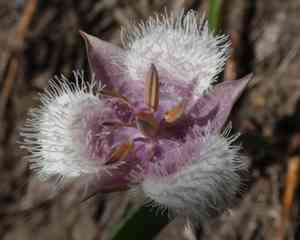
Beavertail grass (Calochortus coeruleus)
Also known as: Blue Star Tulip, Beaked Mariposa Lily
Beavertail grass features stunning sky-blue flowers that stand out in grassy areas. With its bulbous roots, this resilient perennial flourishes in well-drained soils and is commonly found in open woodlands and on slopes. The bell-shaped flowers, consisting of three prominent petals, bloom in spring, attracting pollinators with their bright color against narrow, grass-like foliage.
In This Article
Attributes of Beavertail grass
Lifespan
Perennial
Plant Type
Herb
Plant Height
30-60 cm
Spread
10-15 cm
Leaf Color
Green
Flower Size
4-6 cm
Flower Color
Blue to violet
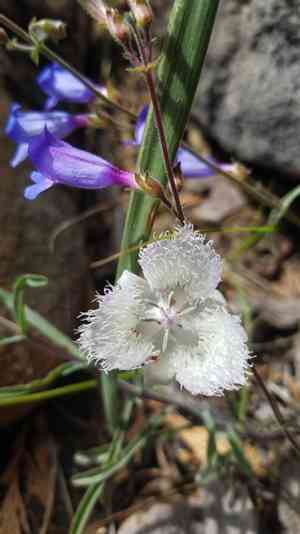
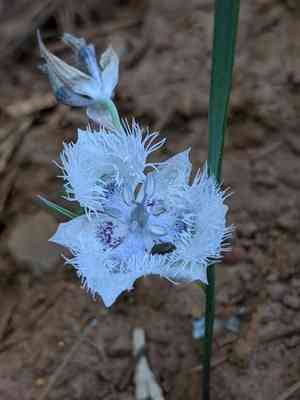
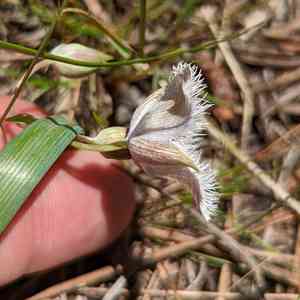
Images of Beavertail grass
Quickly Identify Beavertail grass
1
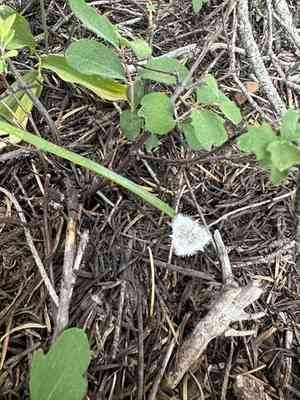
Identification of Calochortus coeruleus can be achieved by looking at its distinctive blue to violet star-shaped flowers, nodding on slender stems, with grass-like linear leaves. The flower\'s inner petals are marked with dark spots.
Scientific Classification of Beavertail grass
Phylum
Vascular plants
Class
Monocotyledons
Order
Liliales
Family
Lily
Genus
Mariposas
Species
Beavertail grass
Planting and Growing of Beavertail grass
Care Difficulty
Moderate
Watering Schedule
Every day
Sunlight Requirements
Partial sun
Sunshine Duration
6-10 hours
Ideal Temperature
60-70℉
Soil Type
Potting Mix, Peat Mix
Soil pH
6.5-7.5
Fertilizer Type
Balanced
Pruning Season
Spring, Summer
Pruning Area
Branches, Leaves
Pruning Frequency
2 times a year
Repotting Season
Spring
Pot Type
Plastic, Ceramic
 How to Water Beavertail grass?
Calochortus coeruleus prefers to be watered moderately. Ideally, the soil should be kept slightly moist, not completely dry nor overly wet. Watering with about 200 ml ensures sufficient moisture without oversaturation, allowing the roots room for adequate aeration.
What are the symptoms of an underwatered Beavertail grass?
›
What should I do if my Beavertail grass is not getting enough water?
›
What are the symptoms of an overwatered Beavertail grass?
›
How to save an overwatered Beavertail grass?
›
 What Is the Ideal Temperature Range for Beavertail grass?
The ideal temperature range for Calochortus coeruleus is between 60°F and 70°F. Maintaining this temperature helps the plant to grow efficiently by promoting proper photosynthesis and nutrient absorption. Plants kept within this range will exhibit optimal growth, healthy foliage, and vibrant blooms.
 What Soil is Best for Beavertail grass?
Calochortus coeruleus thrives in well-draining soil which prevents water from pooling around the roots, thus reducing the risk of root rot. Proper drainage allows for oxygen penetration, promoting healthy root growth and overall plant vitality. This plant prefers soil with a pH ranging from neutral to slightly alkaline, as it enhances nutrient availability and absorption. Maintaining appropriate pH levels ensures optimal growth and bloom production. Calochortus coeruleus does best in soil that is moderately fertile. High fertility can lead to excessive foliage growth at the expense of flowers. Balanced nutrition supports robust growth and stunning floral displays.
 How to Fertilize Beavertail grass?
For Calochortus coeruleus, the fertilization amount must be carefully measured to ensure optimal growth. Use a liquid fertilizer at a diluted concentration of half the recommended strength. For slow-release fertilizers, apply approximately 1 tablespoon per plant, distributed evenly around the base of the plant.
 How to Prune Beavertail grass?
Begin by inspecting the plant for any leaves that appear dead, discolored, or damaged. These should be the first to be pruned as they can harbor disease and pests that may spread to healthy parts. When removing dead leaves or stems, make sure to cut them at the base of the stem or just above a node. This encourages new growth and maintains the plant’s natural shape.
More About Pruning Techniques→
 How to Propagate Beavertail grass plant?
1
Choose a well-draining potting mix and fill the seedling trays. Ensure the soil is moistened evenly to provide optimal conditions for seed germination.
2
Plant the Calochortus coeruleus seeds on the surface of the soil and lightly cover them with a thin layer of soil, maintaining a consistent temperature for germination.
3
Carefully dig out the mature bulbs, separate them using a sharp, clean trowel, and replant them at the same depth to promote active growth in the spring.
 How to Repot Beavertail grass plant?
1
Calochortus coeruleus shows the need for repotting when its growth becomes stunted or the bulb appears cramped in the current container. Spring or early summer are the best times, coinciding with its active growing season, to minimize stress on the plant.
2
Select a pot that is 2-4 inches larger in diameter than the current one. Ensure it has drainage holes to prevent waterlogging, which is crucial for bulbs to avoid root rot and allow proper aeration, promoting healthier root systems.
3
Choose a well-draining sandy loam soil mix that mimics the plant's natural habitat. This type of soil ensures proper moisture retention without suffocating the roots, thereby reducing the risk of fungal diseases and promoting vigorous growth.
Learn More About Beavertail grass Diseases
Anthracnose
Bacterial Leaf Spot
Bacterial Soft Rot
Bacterial Wilt
Chemical Injury
Crown Gall
Cyst Nematode
Damping-off
Downy Mildew
Drought Stress
Fusarium Wilt
Gray Mold
Leaf Spot
Mosaic
Nutrient Deficiency
Nutrient Toxicity
Powdery Mildew
Root Rot
Root-knot Nematode
Rusts
Sooty Mold
Spider Mites
Temperature Stress
Thrips Damage
White Mold



