How to Prune Beavertail grass?
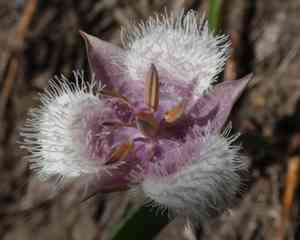
Beavertail grass displays prominent blue or violet blossoms. Trim beavertail grass from late winter to early spring, prior to the emergence of fresh shoots. Eliminate any withered or compromised leaves and faded flowers to foster robust development and more vivid floral displays. Consistent trimming aids in preserving its form and vitality. Refrain from extensive cutting during its period of active growth to avert strain. Pruning improves air movement, thereby lowering the likelihood of illness. Adhere to these guidelines for magnificent, flourishing specimens.
What Are the Benefits of Pruning Beavertail Grass?
What Are the Benefits of Pruning Beavertail Grass?
Trimming beavertail grass is beneficial as it encourages robust development and helps maintain the plant's form. Pruning fosters healthier growth and can prevent overcrowding, ensuring optimal light exposure and air circulation, which can decrease the likelihood of pests and diseases.
What Is the Best Time for Pruning Beavertail Grass?
What Is the Best Time for Pruning Beavertail Grass?
Trimming beavertail grass in late winter or early spring is advisable because it allows the plant to direct its energy towards new growth and blooming in the upcoming season. Pruning during this period ensures that any dead or damaged sections are removed before the active growth phase begins, promoting healthier and more vigorous development. Additionally, this timing minimizes stress on the plant, as it is in a dormant or slow-growth state, reducing the risk of disease and enhancing overall plant vitality.
What Tools Do I Need to Prune Beavertail Grass?
Bypass Pruners
Perfect for making clean cuts on live, green stems without causing harm. Best for precise cuts on small stems and branches of beavertail grass.
Fine-Tip Pruning Shears
Useful for delicate tasks and reaching into confined spaces, allowing for accurate cuts on beavertail grass's fine foliage.
Pruning Knife
Helps remove any dead or damaged material with precision, which is crucial for maintaining the health and appearance of beavertail grass.
Sanitizing Solution
Essential for cleaning tools between cuts to prevent the spread of diseases, especially vital when working with multiple plants.
How to Prune Beavertail Grass
Identification
Examine beavertail grass carefully to pinpoint diseased and withered leaves. Look for discoloration or signs of decay.
Sanitization
Clean and sterilize your pruning tools with a 10% bleach solution to prevent the spread of pathogens.
Removal
Trim diseased leaves at their base where they connect to the stem. Make clean, precise cuts to avoid harming healthy tissue.
Disposal
Discard the diseased and withered leaves away from your garden to prevent the spread of disease. Do not compost them.
Monitoring
Regularly observe beavertail grass for any new indications of disease or wilting. Promptly trim affected foliage to maintain plant health.
Common Pruning Mistakes with Beavertail Grass
Improper technique
Many gardeners, especially beginners, may use dull or unsterilized tools which can cause jagged cuts, leading to increased susceptibility to pests and diseases.
Incorrect timing
Pruning at the wrong time can disrupt beavertail grass's growth cycle and flowering, resulting in poor development.
Over-pruning
Excessive trimming can stress beavertail grass, reducing its vigor and leading to fewer blooms in subsequent growth cycles.
Neglecting to remove dead material
Failing to remove dead or damaged parts can harbor diseases that may spread to healthy portions of beavertail grass.
Ignoring plant structure
Not considering the natural shape and growth pattern of beavertail grass can result in an unattractive or unbalanced plant.
Common Pruning Tips for Beavertail Grass
Use sharp, clean tools
Always use sharp and sterile pruning shears to ensure clean cuts that will heal quickly and reduce the risk of disease.
Follow the plant's natural shape
Prune in a way that maintains the natural structure and aesthetics of beavertail grass, avoiding drastic alterations to its growth pattern.
Remove dead or damaged material first
Start by cutting away any dead, damaged, or diseased stems to promote healthy growth and prevent the spread of pathogens.
Moderation is key
Prune conservativelyâremove no more than one-third of the plant at a time to avoid stressing beavertail grass. This will help maintain its health and encourage robust flowering.
Make precise cuts
Ensure each cut is made just above a node or bud to encourage new growth in the desired direction, fostering a fuller and more attractive plant.



