How to Transplant Twoflower stickpea?
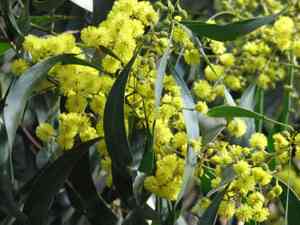
Twoflower stickpea flourishes when relocated in the middle to latter part of spring. Select a bright, adequately drained location for this enduring plant. Refrain from excessive watering at first to aid root establishment. Precisely timed relocation guarantees vigorous development and vivid flowers.
What Preparations are Needed Before Transplanting Twoflower Stickpea?
What is the Ideal Time for Transplanting Twoflower Stickpea?
Moving twoflower stickpea in late spring to early fall promotes root development prior to colder weather. This period ensures optimal soil warmth and moisture, encouraging vigorous growth. Establishing twoflower stickpea during this timeframe also minimizes transplant shock, leading to a healthier plant with a strong base for future seasons.
How Much Space Should You Leave Between Twoflower Stickpea Plants?
When getting ready to relocate your twoflower stickpea, ensure each plant is positioned 3-5 feet (0.9-1.5 meters) apart. This provides ample room for development and prevents crowding, allowing for better air circulation and reducing disease risk.
What is the Best Soil Mix for Twoflower Stickpea Transplanting?
For relocating twoflower stickpea, utilize well-draining soil with a slightly acidic to neutral pH (6.0-7.0). Incorporate a phosphorus-rich base fertilizer to aid in establishing strong roots. Organic compost also works well, enriching the soil with vital nutrients.
Where Should You Relocate Your Twoflower Stickpea?
Select a sunny location for your twoflower stickpea that receives full sunlight for at least 6-8 hours daily. These conditions will ensure your plant thrives and blooms beautifully, as twoflower stickpea loves the sun!
What Equipments Should You Prepare Before Transplantation Twoflower Stickpea?
Gardening Gloves
To safeguard your hands while handling soil and plants.
Hand Trowel
Useful for excavating and shifting earth.
Shovel or Spade
To dig a hole and extract the plant if it's in the ground.
Pruning Shears
To trim any damaged roots or stems.
Watering Can or Hose
For hydrating the plant before and after relocation.
Plant Labels
To mark the plant's new position.
How Do You Remove Twoflower Stickpea from the Soil?
How Do You Remove Twoflower Stickpea from the Soil?
From Ground: First, moisten the soil around the twoflower stickpea plant. Then, excavate a wide trench around the plant using a shovel or spade, ensuring the plant's root ball remains intact. Carefully work the spade beneath the root ball to lift the plant from its original spot.From Pot: Gently tilt the pot sideways and tap the bottom to loosen the plant. Carefully slide the plant out, supporting the root ball with your hand.From Seedling Tray: Dampen the soil in the tray. Use a hand trowel or your fingers to gently lift each seedling, ensuring you take as much of the root system as possible.
Step-by-Step Guide for Transplanting Twoflower Stickpea
Preparation
Ensure the new planting site is ready before extracting the twoflower stickpea plant. This involves digging a hole large enough to comfortably accommodate the plant's root ball.
Digging the Hole
Excavate a hole that is twice as wide but not deeper than the root ball of your twoflower stickpea plant. Loosen the soil at the bottom of the hole.
Transplanting the Plant
Position the twoflower stickpea plant in the hole at the same depth it was growing previously. Backfill the hole with soil, pressing gently to remove air pockets.
Watering In
Thoroughly water the plant to help settle the soil around the roots. This also aids in eliminating any remaining air pockets.
How Do You Care For Twoflower Stickpea After Transplanting?
Watering
Keep the soil around the twoflower stickpea consistently moist, but not waterlogged, for the initial weeks after transplanting to help establish strong roots.
Mulching
Apply a layer of mulch around the base of the twoflower stickpea to retain moisture and regulate soil temperature.
Monitoring
Regularly inspect the plant for signs of stress, such as wilting or yellowing leaves, and adjust care as needed.
Protection
If relocating during a particularly hot or windy period, consider providing temporary shade or wind barriers until the plant has acclimated to its new spot.
Troubleshooting Common Issues with Twoflower Stickpea Transplantation.
What is the best time of year to transplant twoflower stickpea?
The ideal time is late spring, early summer to late summer, early fall to late fall.
How much space should I leave between twoflower stickpea plants?
Space each plant 3-5 feet (0.9-1.5 meters) apart for optimal growth.
What should I do if twoflower stickpea looks wilted after transplanting?
Ensure soil is moist but not waterlogged and provide shade for a few days.
How deep should I plant twoflower stickpea during transplanting?
Plant twoflower stickpea at the same depth it was in its previous location.
What kind of soil is best for twoflower stickpea?
Well-draining soil with organic matter is ideal for healthy growth.
Should I fertilize twoflower stickpea after transplanting?
Wait a couple of weeks post-transplant before applying a balanced, slow-release fertilizer.
How often should I water twoflower stickpea after transplanting?
Water thoroughly after transplanting, then keep soil consistently moist but not waterlogged.
Why are the leaves of twoflower stickpea turning yellow after transplanting?
Yellowing leaves could indicate overwatering or poor soil drainage. Adjust watering accordingly.
Can twoflower stickpea be transplanted on a windy day?
Avoid transplanting on windy days to prevent stress and damage to the plant.
What tools are essential for transplanting twoflower stickpea?
Youâll need a shovel, garden fork, watering can, and mulch for best results.



