How to Propagate Twoflower stickpea?
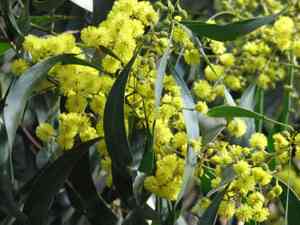
The Twoflower stickpea, a compact decorative shrub within the Fabaceae family, is recognized for its appealing bipinnate foliage and vibrant red blossoms. Reproduction is generally achieved through cuttings. It is crucial to obtain cuttings from robust, semi-lignified stems to ensure the best development. Cultivate in soil that drains effectively, maintaining consistent moisture without saturation. The application of rooting stimulant can improve successful establishment. Supplying ample, diffused illumination and a temperate setting will encourage robust root formation.
Optimal Time for Twoflower Stickpea Propagation
Propagation Type
Cutting
Propagation Season
Spring,Summer
Tools for Twoflower Stickpea Propagation
Sharp Pruners
Crucial for taking clean cuts from twoflower stickpea. Precise cuts minimize tissue damage and encourage quicker rooting.
Rooting Hormone
Stimulates root development in twoflower stickpea cuttings. Boosts propagation success by supplying essential hormones for root growth.
Propagation Trays
Used to hold multiple twoflower stickpea cuttings in an organized manner. Aids in structuring and maintaining consistent moisture levels for each cutting.
High-Quality Potting Mix
Offers a nutrient-rich medium that supports the initial root growth of twoflower stickpea. Ensures proper drainage to prevent waterlogging and root decay.
Misting Bottle
Used to maintain humidity around twoflower stickpea cuttings. Humidity is vital for preventing cuttings from drying out during the rooting process.
Heating Mat
Provides warmth from below, which can speed up root formation in twoflower stickpea. Helps maintain an ideal soil temperature conducive to rooting.
Labels
Useful for identifying different twoflower stickpea cuttings and tracking their propagation progress. Ensures careful record-keeping and reduces confusion.
Transparent Plastic Dome
Creates a miniature greenhouse effect by trapping moisture and warmth around twoflower stickpea cuttings. Enhances humidity and temperature control, promoting better rooting conditions.
How to Propagate Twoflower Stickpea?
Propagation Type
Moderately Difficult
Caring for Your Newly Propagated Twoflower Stickpea
Caring for Your Newly Propagated Twoflower Stickpea?
Once roots have formed (typically within a few weeks), gradually accustom twoflower stickpea to lower humidity by removing the plastic cover. Transplant the rooted cuttings into larger pots with standard potting soil. Provide moderate watering and ensure the plants are kept in bright, indirect light. Slowly introduce them to more sunlight as they become established. Prune regularly to maintain shape and encourage bushy growth. Protect from frost and ensure good drainage to prevent root rot.
Common Mistakes to Avoid When Propagating Twoflower Stickpea
Overwatering
Excess moisture can lead to root rot, which can severely hinder the plant's development.
Underwatering
Insufficient water can cause the plant to dehydrate and fail to establish roots.
Improper Soil Choice
Using soil that does not drain well can lead to waterlogging and root rot.
Incorrect Light Conditions
Providing either too much direct sunlight or inadequate light can stress the plant and impact its growth.
Neglecting Soil pH
Not maintaining the soil pH within an optimal range can affect nutrient uptake, leading to poor growth.
Tips For Propagating Twoflower Stickpea
Well-Draining Soil
Use a soil mix that drains well to prevent waterlogging and root rot.
Moderate Watering
Water the plant regularly but ensure the soil is not waterlogged. Allow the top layer to dry out between waterings.
Balanced Light Exposure
Provide bright, indirect sunlight to ensure healthy growth without scorching the leaves.
Maintain Optimal Soil pH
Keep the soil pH slightly acidic to neutral to facilitate nutrient absorption.
Regular Monitoring
Regularly check soil moisture and adjust watering frequency as needed to keep the plant thriving.



