How to Prune Twoflower stickpea?
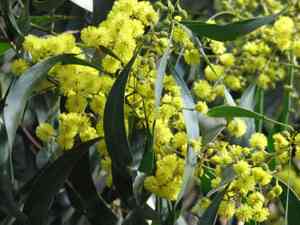
Twoflower stickpea, recognized for its vivid blossoms and decorative leaves, flourishes with consistent trimming. Essential methods involve excising deceased or injured limbs and sculpting the plant to preserve its dense structure. The ideal period for pruning is in early spring prior to the appearance of fresh shoots. This stimulates abundant blooming and deters excessive stem elongation. Routine pruning additionally encourages beneficial air movement. To achieve superior outcomes, employ sanitized, keen implements and prune directly above a growth point to stimulate new development.
Advantages of Trimming Twoflower Stickpea
Advantages of Trimming Twoflower Stickpea
Trimming twoflower stickpea promotes vigorous development and maintains its form. By eliminating dead or overly dense branches, gardeners can foster healthier growth and enhance air movement. This decreases the likelihood of pests and diseases, resulting in a neater, more appealing look.
Optimal Time for Pruning Twoflower Stickpea
Optimal Time for Pruning Twoflower Stickpea
Pruning twoflower stickpea in early spring is ideal, allowing the plant to recover and produce new growth before the peak season. This timing aligns with its natural cycle, ensuring adequate energy reserves post-winter dormancy. Trimming then also minimizes infection risk, as cuts heal efficiently. Additionally, early spring pruning helps shape the plant for a more robust, healthy form throughout the growing season.
Tools Required for Pruning Twoflower Stickpea
Hand Pruners
Perfect for precise cuts on smaller branches. Essential for maintaining the form and health of twoflower stickpea.
Loppers
Useful for cutting thicker branches that hand pruners cannot manage. They offer leverage and power for difficult-to-reach areas.
Pruning Saw
Needed for removing larger, older branches without harming the plant. Ensures clean cuts for optimal recovery.
Bypass Pruners
Best for green, living stems as they create clean, close cuts. Ideal for routine upkeep of twoflower stickpea.
Pole Pruners
Helpful for reaching elevated branches without a ladder, ensuring safety and ease when pruning tall or wide twoflower stickpea.
How to Prune Twoflower Stickpea
Assessment
Carefully inspect twoflower stickpea to identify and mark all diseased leaves, withered leaves, dead branches, and diseased branches.
Sterilization
Clean and sanitize pruning tools with a solution of one part bleach to nine parts water to prevent disease spread.
Removal
Begin pruning by removing all marked diseased leaves, withered leaves, dead branches, and diseased branches. Make clean cuts close to the base of affected parts.
Disposal
Safely discard all removed plant material to prevent any potential disease spread. Do not compost pruned parts if diseased.
Monitoring
Regularly observe twoflower stickpea after pruning for any new signs of disease or damage, and repeat the process as needed to maintain plant health.
Common Pruning Errors with Twoflower Stickpea
Over-pruning
Removing too much of the plant at once can weaken twoflower stickpea and hinder its growth. This species should not have more than a third of its foliage removed in a single session.
Incorrect cuts
Making cuts at the wrong angle or location can damage twoflower stickpea and increase disease risk. Always use sharp, clean pruning tools and make cuts just above a leaf node or bud.
Neglecting dead or damaged wood
Failing to remove dead, damaged, or diseased wood can lead to health issues for twoflower stickpea, reducing its vitality and appearance.
Improper tool use
Using dull or dirty tools can cause ragged cuts and introduce pathogens, leading to infections in twoflower stickpea. Always sterilize tools before and after use.
Ignoring plant shape
Not considering the natural shape of twoflower stickpea can lead to an unbalanced and unattractive plant. Pruning should maintain or enhance the plantâs natural form.
General Pruning Advice for Twoflower Stickpea
Use clean, sharp tools
Ensure your pruning shears or scissors are sharp and sterilized to make clean cuts and prevent disease spread.
Prune lightly
Only remove dead, damaged, or diseased wood and minimal healthy growth to maintain shape and encourage new growth without stressing twoflower stickpea.
Cut at the right angle
Make cuts at a 45-degree angle just above a leaf node or bud to promote healthy regrowth. This allows water to run off, reducing the chance of rot.
Monitor plant health
Regularly check twoflower stickpea for signs of disease or pest infestation. Early intervention can prevent problems from spreading and ensure healthier regrowth after pruning.
Enhance airflow and light
Thin out overcrowded areas to improve light penetration and air circulation within the plant. This reduces the risk of fungal diseases and encourages robust growth.



