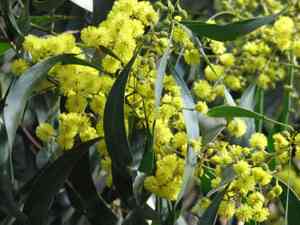
Twoflower stickpea (Calliandra biflora)
Also known as: Fairy Duster
The plant you're referring to could be the Red Powder Puff (Calliandra haematocephala). This warm-climate shrub is known for its striking bi-colored blooms in shades of red and pink. The pompom-like flowers are particularly attractive to pollinators and stand out against the green foliage, making it a captivating addition to gardens that provide suitable soil and light conditions.
In This Article
Attributes of Twoflower stickpea
Lifespan
Perennial
Plant Type
Shrub
Plant Height
0.3 to 1 meter
Spread
0.5 to 1 meter
Leaf Color
Green
Flower Size
2 to 3 cm
Flower Color
Pink, Red
Images of Twoflower stickpea
Quickly Identify Twoflower stickpea
1
Calliandra biflora can be identified by its bipinnate compound leaves and its distinctive puffy, brush-like flower clusters, typically pink to red in color.
Scientific Classification of Twoflower stickpea
Phylum
Vascular plants
Class
Dicotyledons
Order
Fabales
Family
Legume
Genus
Powder puff plant
Species
Twoflower stickpea
Planting and Growing of Twoflower stickpea
Care Difficulty
Easy
Watering Schedule
Every 8 days
Sunlight Requirements
Partial sun
Sunshine Duration
6-10 hours
Ideal Temperature
60-75℉
Soil Type
Potting Mix, Peat Mix
Soil pH
6.5-7.5
Fertilizer Type
Balanced
Pruning Season
Spring, Summer
Pruning Area
Branches, Leaves
Pruning Frequency
2 times a year
Repotting Season
Spring
Pot Type
Plastic, Ceramic
 How to Water Twoflower stickpea?
Calliandra biflora prefers a moderate amount of water. Generally, aim to give it around 300 milliliters per session, ensuring the soil remains moist but not saturated. A good rule of thumb is to wait until the top inch of soil feels dry before watering again.
What are the symptoms of an underwatered Twoflower stickpea?
›
What should I do if my Twoflower stickpea is not getting enough water?
›
What are the symptoms of an overwatered Twoflower stickpea?
›
How to save an overwatered Twoflower stickpea?
›
 What Are the Sunlight Requirements for Twoflower stickpea?
Calliandra biflora thrives best in partial to full sun. Ideal light leads to robust growth and maintains the plant’s flowering capability, enhancing its ornamental value and ecosystem role.
What is the best type of sunlight for Calliandra biflora?
›
How can I ensure my Calliandra biflora gets the right sunlight?
›
What benefits does Calliandra biflora gain from ideal sunlight?
›
 What Is the Ideal Temperature Range for Twoflower stickpea?
The ideal temperature range for Calliandra biflora is between 60°F to 75°F. Within this range, the plant thrives and exhibits optimal growth and flowering. Maintaining temperatures in this bracket ensures healthy leaf development and vibrant blooms. Fluctuations outside of this range may lead to stress and impair plant health.
 What Soil is Best for Twoflower stickpea?
Calliandra biflora thrives in well-draining soils as they prevent waterlogging and root rot. This ensures optimal root oxygenation and nutrient uptake, promoting healthy growth and vibrant flowering. Moderately fertile soil provides enough nutrients for Calliandra biflora without risking nutrient burn. Balanced fertility supports steady plant growth and abundant blooming. A soil pH of 6.5 to 7.5 is ideal for Calliandra biflora, as it maximizes nutrient availability. This pH range supports robust growth and disease resistance.
 How to Fertilize Twoflower stickpea?
For Calliandra biflora, a general-purpose liquid fertilizer should be diluted to half its strength. Apply about 2 cups per plant, ensuring the soil is moist but not overly saturated to avoid root burn.
 How to Prune Twoflower stickpea?
Begin by removing any dead or damaged branches, cutting them back to healthy wood. Next, trim any crossing or inward-growing branches to improve air circulation within the plant. Use sharp, clean shears for a precise cut, and make sure to cut just above a node to encourage new growth. Aim to maintain a natural shape by selectively pruning branches that disrupt the plant's form. Regular pruning helps Calliandra biflora look fuller and promotes more vibrant blooming. Remember to sanitize tools between cuts to prevent the spread of disease.
More About Pruning Techniques→
 How to Propagate Twoflower stickpea plant?
1
To collect seeds from Calliandra biflora, wait until the seed pods dry slightly on the plant but before they open naturally. Gently remove the pods to prevent seeds from falling out and being lost.
2
For cutting propagation, select healthy stems approximately 6 inches long. Remove the lower leaves, dip the cut end into rooting hormone, and plant them in a moist, well-drained soil mix.
3
Once seedlings have developed a sturdy root system and a few sets of true leaves, transplant them into individual pots or directly into the garden, ensuring they receive sufficient light and moisture.
 How to Repot Twoflower stickpea plant?
1
Calliandra biflora should be repotted when you notice that its roots are peeking out from the drainage holes, indicating that it has outgrown its current pot. Additionally, if the growth seems stunted or the potting mix dries out very quickly despite regular watering, it's time for a change.
2
Select a pot that is one size larger than the current one, preferably with good drainage holes to prevent waterlogging. Opt for terracotta pots, as they allow for breathability, helping to keep the root system healthier. A wider pot also provides more stability, which can be beneficial as the plant matures.
3
Choose a well-draining sandy loam soil mix, ideally one that contains plenty of organic matter such as peat or compost. This soil type ensures good drainage while retaining necessary moisture, preventing root rot and promoting healthy growth of your Calliandra biflora.
Learn More About Twoflower stickpea Diseases
Anthracnose
Bacterial Leaf Spot
Bacterial Wilt
Crown Gall
Cyst Nematode
Damping-off
Downy Mildew
Drought Stress
Fusarium Wilt
Gray Mold
Leaf Curl
Leaf Spot
Mosaic
Nutrient Deficiency
Nutrient Toxicity
Powdery Mildew
Root Rot
Root-knot Nematode
Rusts
Sooty Mold
Spider Mites
Temperature Stress
Thrips Damage
White Mold



