How to Transplant Rattlesnake plant?
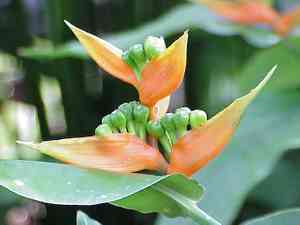
It is advisable to move your rattlesnake plant when the garden shows signs of renewal, usually from early to mid-spring, to leverage its robust seasonal development. Select a shaded location with soil that drains effectively and gradually introduce rattlesnake plant to its new environment for peak well-being.
What Preparations are Needed Before Transplanting Rattlesnake Plant?
What is the Ideal Time for Transplanting Rattlesnake Plant?
The onset of spring's warmth, specifically in the early to mid-spring period, is the perfect time for relocating rattlesnake plant. Why? This season offers mild temperatures and stable weather, which are ideal for rattlesnake plant to re-establish its root system without the strain of extreme heat or cold. Moving rattlesnake plant during this timeframe also allows it to fully benefit from the upcoming growing season, promoting vigorous development. Handle this task with care and a nurturing approach to ensure rattlesnake plant thrives in its new spot.
How Much Space Should You Leave Between Rattlesnake Plant Plants?
When moving your rattlesnake plant, aim to position it approximately 1-2 feet (30-60 cm) away from other plants. This provides ample room for growth and can help prevent issues with pests and diseases.
What is the Best Soil Mix for Rattlesnake Plant Transplanting?
For rattlesnake plant, choose a well-draining soil, ideally a blend of peat, perlite, bark, and sand. Before transplanting, incorporate a slow-release, balanced fertilizer to give your plant a nutritional boost.
Where Should You Relocate Your Rattlesnake Plant?
Place rattlesnake plant where it will receive indirect sunlight. Consider a window that avoids direct sun exposure or a shaded patio area. Excessive direct sunlight can lead to leaf scorching.
What Equipments Should You Prepare Before Transplantation Rattlesnake Plant?
Gardening Gloves
To prevent injuries from sharp tools and to protect your hands from dirt and plant contact.
Shovel or Spade
To carefully excavate the rattlesnake plant from its original position.
Garden Trowel
To create a planting hole in the chosen location large enough to accommodate the plant's root structure.
Pruning Shears
For trimming any damaged roots or foliage on the plant.
Watering Can
For hydrating the plant both before and after its relocation.
Wheelbarrow or Container
To transport the plant without causing damage.
How Do You Remove Rattlesnake Plant from the Soil?
How Do You Remove Rattlesnake Plant from the Soil?
From Ground: First, water rattlesnake plant to soften the earth. Then, gently dig a wide circle around the plant with a shovel or spade, ensuring the roots remain undisturbed. Carefully lift the plant, keeping as much soil around the roots as possible.From Pot: Water the rattlesnake plant and gently tip the pot sideways, applying light pressure to the base. The plant should gradually slide out; avoid pulling too hard to prevent root damage.From Seedling Tray: Lightly water the tray to moisten the growing medium. Carefully extract the rattlesnake plant by loosening the soil around its base using a small tool or your fingers. Be sure to lift it by the leaves to avoid harming the stem or roots.
Step-by-Step Guide for Transplanting Rattlesnake Plant
Preparation
Identify a suitable spot for rattlesnake plant, considering its light and space needs. Dig a hole twice the size of the plant's root ball.
Removal
Follow the procedure for extracting the plant from its initial location as described previously.
Placement
Position the rattlesnake plant into the hole so that the top of the root ball is level with the soil surface. Backfill the hole with soil, gently firming it down.
Watering
Water the plant thoroughly after transplanting to help the soil settle around the roots.
Monitor
Observe your rattlesnake plant closely during the initial weeks post-transplant. It may require additional care during this period.
How Do You Care For Rattlesnake Plant After Transplanting?
Watering
Ensure consistent watering for your rattlesnake plant during the first few weeks after relocation. The soil should remain moist, but avoid saturation.
Pruning
Remove any withered or yellowed leaves to encourage new growth and overall plant vitality.
Weather
Shield rattlesnake plant from frost or strong winds until it is well-established in its new spot.
Checking
Regularly inspect your rattlesnake plant for signs of disease or pest infestation, as transplant stress can increase its vulnerability.
Troubleshooting Common Issues with Rattlesnake Plant Transplantation.
What's the best time of the year to transplant rattlesnake plant?
The most opportune time to relocate rattlesnake plant is during the first and second seasons of the year. This period offers optimal conditions for rattlesnake plant's development.
What is the desired spacing when transplanting rattlesnake plant?
When transplanting rattlesnake plant, ensure each plant is spaced between 1 to 2 feet (30-60 cm) apart. This provides adequate room for rattlesnake plant to grow healthily.
Do I need to specially prepare the soil for transplanting rattlesnake plant?
Yes, rattlesnake plant prefers well-drained soil with a slightly acidic pH. Ensure the soil is not overly compacted and allows water to penetrate easily for better root establishment.
How deep should I plant rattlesnake plant during transplantation?
The planting hole should be wide and deep enough to comfortably accommodate rattlesnake plant's root ball. Make sure the top of the roots are at soil level to prevent rot.
How should I water rattlesnake plant after transplantation?
Water rattlesnake plant thoroughly after transplanting. Keep the soil consistently moist, but not waterlogged. A good rule of thumb is to water when the top inch (2.5 cm) of soil is dry.
What type of fertilizers work best for rattlesnake plant after transplantation?
A balanced, slow-release fertilizer works best for rattlesnake plant. Apply it once a month during the growth period for an optimal nutrient supply.
How can I minimize transplant shock in rattlesnake plant?
Keep rattlesnake plant out of direct sunlight for the first few days after transplanting. Maintain adequate humidity levels and don't over-fertilize to avoid root shock.
How to treat yellowing leaves after transplanting rattlesnake plant?
Yellowing leaves after transplanting may indicate stress. Ensure rattlesnake plant is not over-watered, receiving sufficient light, and fed with proper nutrients to recover.
Should I prune rattlesnake plant before or after transplantation?
Prune rattlesnake plant after it has adjusted to its new location. This allows the plant to prioritize root establishment over foliage development, leading to better transplant success.
Can I transplant potted rattlesnake plant to the ground?
Yes, you can, provided the outdoor conditions meet rattlesnake plant's requirements. Be sure to transplant during a period of milder days to reduce stress on the plant.



