How to Propagate Rattlesnake plant?
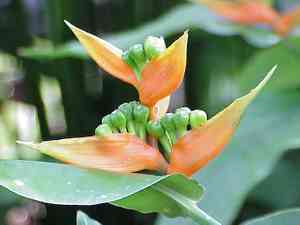
Calathea lancifolia flourishes when multiplied via division, a simple and efficient technique for this particular variety. Plant lovers can try multiplication by carefully detaching the rhizomes while repotting, making sure every piece possesses sufficient root structure. This strategy not only aids in preserving the plant's well-being but also fosters more robust development. Manage the root system delicately to prevent harm, which is vital for successful re-establishment.
What Is the Best Time To Propagate Rattlesnake Plant?
Propagation Type
Division
Propagation Season
Spring,Autumn
What Tools Are Used in Rattlesnake Plant Propagation?
Sterilized sharp knife or scissors
These implements are vital for precise cuts through the root system of rattlesnake plant during separation. A keen blade ensures clean incisions, minimizing damage to the plant's delicate roots and encouraging faster recovery. Sterilization prevents disease transmission between plants.
Watering can with a gentle spout
Following division, young rattlesnake plant require careful watering to settle the soil around their roots and eliminate air pockets. A watering can with a soft spout ensures water is distributed gently, preventing soil displacement and providing necessary moisture without overwhelming the plant.
Rooting hormone
Applying a rooting hormone to freshly cut surfaces can boost root development and improve the chances of successful propagation. This hormone stimulates quicker root growth, helping rattlesnake plant establish more effectively in their new surroundings.
High-quality potting mix
A well-draining, nutrient-rich potting medium supports the growth of rattlesnake plant's new roots after division. The mix should offer sufficient aeration and moisture retention to facilitate root health and development, key factors in the successful establishment of divided plants.
Pots with drainage holes
These are crucial for planting the divided sections of rattlesnake plant. Pots with drainage holes ensure that excess water can escape, preventing issues related to waterlogging which can cause root rot and impede the plant's growth post-propagation.
How to Propagate Rattlesnake Plant?
Propagation Type
Easy
How to Care for Your Newly Propagated Rattlesnake Plant?
How to Care for Your Newly Propagated Rattlesnake Plant?
After propagating rattlesnake plant, maintain elevated humidity by misting foliage daily or utilizing a humidity tray. Keep the soil consistently damp but not waterlogged. Position the plant in bright, indirect light and avoid direct sun, which can scorch leaves. Fertilize monthly during the growing season with a balanced, water-soluble fertilizer at half strength. Regularly inspect for pests like spider mites and treat promptly if necessary.
Common Mistakes to Avoid When Propagating Rattlesnake Plant
Overwatering
Excessive watering of rattlesnake plant during propagation can lead to root rot, a condition where harmful fungi thrive in moist environments, destroying newly forming roots.
Low Humidity
Insufficient humidity around rattlesnake plant during propagation can cause cuttings or leaves to dry out, hindering proper root development.
Using Old Potting Mix
Propagating rattlesnake plant in old or reused potting mix can expose the plant to pathogens or pests, severely impacting the health of the propagules.
Inadequate Light
While rattlesnake plant does not demand intense light, too little illumination can impede the energy it requires for rooting and growth, resulting in weak, leggy plants.
Tips For Propagating Rattlesnake Plant
High Humidity Environment
Maintaining a highly humid propagating environment for rattlesnake plant (e.g., using a humidity dome or regular misting) encourages effective root initiation and growth.
Medium Sunlight Exposure
Placing rattlesnake plant in indirect but bright light supports photosynthesis, essential for the energy needs of developing roots without the risk of leaf burn.
Sterile Equipment and Fresh Medium
Using sterile cutting tools and fresh, sterile potting mix prevents the introduction of diseases to rattlesnake plant, promoting a healthier start for new plants.
Proper Watering Technique
Watering rattlesnake plant with a method that keeps the soil moist but not soggy, such as bottom watering, ensures the roots receive adequate moisture without waterlogging.



