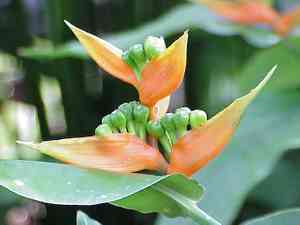
Rattlesnake plant (Calathea crotalifera)
Also known as: Yellow rattleshaker, Rattlesnake ginger, Peacock plant, Zebra plant
The Calathea lancifolia, also called the Rattlesnake Plant, originates from Costa Rica and Panama. Its leaves showcase a distinctive snake-skin-like pattern with varying shades of green. Additionally, this plant folds its leaves upwards during the night, creating a prayer-like pose.
In This Article
Attributes of Rattlesnake plant
Lifespan
Perennial
Plant Type
Herb
Plant Height
1.2 m to 3 m
Spread
30 cm to 60 cm
Leaf Color
Green Blue
Flower Size
2.5 cm
Flower Color
Yellow Gold
Images of Rattlesnake plant
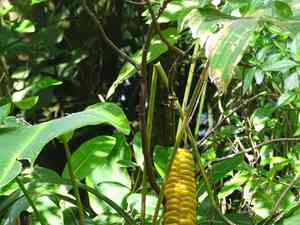
Quickly Identify Rattlesnake plant
1
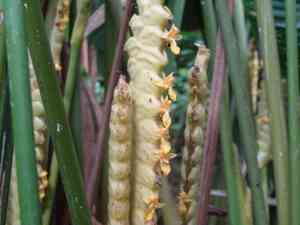
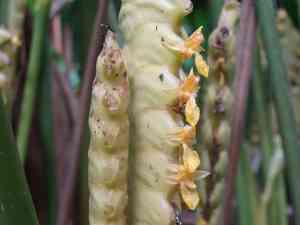
Upright yellow inflorescences resembling a percussive instrument, reaching up to 10 inches (25 cm) long.
2
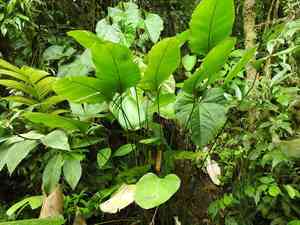
Dark green ovate leaves up to 2 feet (60 cm) long, with unique rattlesnake-like markings.
3
Dry, dehiscent egg-shaped capsules about 1.3 cm (0.51 inches) long, containing dark blue seeds.
4
Horizontal, smooth-textured rhizomes, 0.5-1 inch (1.3-2.5 cm) in diameter, crucial for propagation.
5
Boat-shaped yellow bracts stacked in an upright inflorescence, resembling a rattlesnake's tail.
Scientific Classification of Rattlesnake plant
Phylum
Vascular plants
Class
Monocotyledons
Order
Zingiberales
Family
Arrowroot
Genus
Prayer plant
Species
Rattlesnake plant
Planting and Growing of Rattlesnake plant
Care Difficulty
Hard
Watering Schedule
Every 8 days
Sunlight Requirements
Partial sun
Sunshine Duration
6-10 hours
Ideal Temperature
65-75℉
Soil Type
Potting Mix, Peat Mix
Soil pH
6.5-7.5
Fertilizer Type
Balanced
Pruning Season
Spring, Summer
Pruning Area
Branches, Leaves
Pruning Frequency
2 times a year
Repotting Season
Spring
Pot Type
Plastic, Ceramic
 How to Water Rattlesnake plant?
The watering amount for Calathea crotalifera should be about 250 ml per session. The soil should remain consistently moist but never waterlogged. Ensure that water penetrates down to the root zone while avoiding standing water. Wait until the top inch of soil is just starting to dry before the next watering.
What are the symptoms of an underwatered Rattlesnake plant?
›
What should I do if my Rattlesnake plant is not getting enough water?
›
What are the symptoms of an overwatered Rattlesnake plant?
›
How to save an overwatered Rattlesnake plant?
›
 What Are the Sunlight Requirements for Rattlesnake plant?
Calathea crotalifera prefers partial sun to full shade. Ideal lighting enhances photosynthesis, supports vivid leaf patterns, and ensures lush growth. Ensuring between 2 to 4 hours of indirect light maximizes plant vitality.
More About Sunlight Requirements Techniques→
What is the ideal amount of light for Calathea crotalifera?
›
How to achieve the right lighting conditions indoors for Calathea crotalifera?
›
What benefits does the ideal lighting provide to Calathea crotalifera?
›
 What Is the Ideal Temperature Range for Rattlesnake plant?
The ideal temperature range for growing Calathea crotalifera is between 65°F to 75°F. This range replicates the plant’s natural tropical environment, providing a balance of warmth necessary for optimal growth. Within this range, Calathea crotalifera can maintain healthy foliage and vibrant colors, which are essential indicators of plant health.
 What Soil is Best for Rattlesnake plant?
Calathea crotalifera thrives best in soil that is rich in organic matter and nutrients. Utilizing nutrient-rich soil ensures the plant has access to essential elements necessary for robust growth and vibrant foliage. The plant requires well-draining soil to prevent water from stagnating around the roots. Proper drainage helps avoid issues like root rot, ensuring the root system remains healthy and able to absorb nutrients efficiently. The soil should retain enough moisture without becoming waterlogged. This balance allows the plant roots to stay hydrated, promoting continuous growth without the risk of fungal diseases that thrive in overly wet conditions.
 How to Fertilize Rattlesnake plant?
For Calathea crotalifera, use a balanced, water-soluble fertilizer diluted to half strength. Typically, about 1/2 teaspoon per gallon of water is optimal. Be cautious to avoid over-fertilization, which can harm the plant.
 How to Prune Rattlesnake plant?
Begin by locating any yellowing, brown or wilted leaves. These are the primary targets for pruning, as their removal promotes healthier growth overall. Firmly hold the base of the leaf you wish to prune. With sharp shears, snip as close to the stem as possible without cutting into the healthy tissue, ensuring a clean break. Post-pruning, it’s vital to maintain optimal conditions for recovery. Ensure the Calathea is well-hydrated and placed in indirect sunlight to promote new growth.
More About Pruning Techniques→
 How to Propagate Rattlesnake plant plant?
1
Choose a mature, healthy Calathea crotalifera with strong growth. Water it a day before propagation to ensure it’s well-hydrated, which facilitates easier division of the rhizomes.
2
Gently remove the plant from its pot and shake off excess soil. Identify and cut the rhizomes into sections, ensuring each section has at least one healthy leaf and root system.
3
Prepare pots with fresh, well-draining potting mix. Plant each divided section into individual pots, water lightly, and place in a warm, humid environment to encourage establishment.
 How to Repot Rattlesnake plant plant?
1
Calathea crotalifera should be repotted when you notice roots growing through the drainage holes or when plant growth significantly slows down. Repotting in early spring or summer gives it ample time to settle and establish before the growing season.
2
Choose a pot one size larger than the current one, ensuring it has good drainage holes. Pots made of terracotta are excellent as they help regulate soil moisture, preventing root rot due to excess water retention.
3
Opt for a rich, well-draining soil mix containing peat, perlite, and orchid bark. This mixture mimics the plant's natural habitat, allowing roots to breathe while providing necessary nutrients for healthy growth.
Toxicity
Ingestion, Skin contact
WARNING
The judgment on toxicity and danger is for reference only. We DO NOT GUARANTEE any accuracy of such judgment. Therefore, you SHALL NOT rely on such judgment. It is IMPORTANT TO SEEK PROFESSIONAL ADVICE in advance when necessary.



