How to Prune Rattlesnake plant?
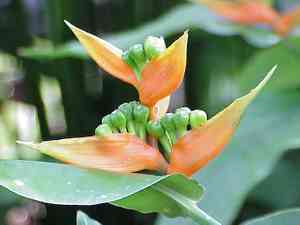
Distinguished by its striking leaves that mimic a snake's scales, rattlesnake plant flourishes with judicious trimming. Detach discolored or desiccated foliage near the base, cutting close to the central stalk to stimulate fresh development. Snip off spent flower stalks to redirect the plant's resources. Pruning is permissible throughout the year, though most effective following a period of rapid growth. Consistent trimming preserves its appealing form and enhances vitality, guaranteeing rattlesnake plant stays a magnificent, thriving indoor specimen.
What Are the Benefits of Pruning Rattlesnake Plant?
What Are the Benefits of Pruning Rattlesnake Plant?
Trimming rattlesnake plant promotes more vibrant blooms, stimulates robust development, and helps maintain its distinct form, offering both visual appeal and health advantages to the plant.
What Is the Best Time for Pruning Rattlesnake Plant?
What Is the Best Time for Pruning Rattlesnake Plant?
Pruning or trimming rattlesnake plant at any time of year is considered ideal since it's a tropical plant with a continuous growth cycle. Seasonal pruning allows for the removal of damaged or yellowed foliage and encourages healthier, more vigorous growth. Furthermore, as rattlesnake plant lacks a specific flowering or fruiting period requiring energy conservation, careful pruning can be performed without negatively impacting its health or development. Regular trimming also preserves the plant's shape and aesthetic appeal.
What Tools Do I Need to Prune Rattlesnake Plant?
Sharp Precision Pruners
For rattlesnake plant, utilizing sharp precision pruners is crucial due to the plant's delicate leaves and stems. Precision pruners enable clean cuts that help prevent tissue damage, reducing disease risk.
Gardening Scissors
Given rattlesnake plant's intricate leaf patterns and minimal need for heavy cutting, gardening scissors with fine tips are recommended. These facilitate controlled snipping of yellow or brown leaves.
Micro-Tip Snips
These implements are perfect for snipping off spent flowers or trimming small, delicate foliage without disturbing the rest of rattlesnake plant. The micro-tip ensures accuracy and minimal harm to the plant.
Sterilizing Solution
Though not a cutting tool, having a sterilizing solution (such as rubbing alcohol or a 10% bleach solution) readily available to clean your tools before and after use is vital in preventing disease spread when pruning rattlesnake plant.
How to Prune Rattlesnake Plant
Clean tools
Sanitize your pruning implements using alcohol or a 10% bleach solution to prevent the spread of disease during pruning of rattlesnake plant.
Remove diseased leaves
Carefully identify and cut away any diseased leaves from rattlesnake plant using sharp scissors or pruning shears, making clean cuts at the base of the leaves to avoid stubs that can attract pests.
Trim withered components
Remove withered leaves and dead or diseased branches from rattlesnake plant by cutting them at their base or at the point of healthy tissue, ensuring a smooth cut that rattlesnake plant can heal over quickly and cleanly.
Prune flowers
Snip off any withered flowers from rattlesnake plant, cutting them just above the next leaf junction to encourage new growth and maintain a neat appearance.
Dispose trimmed material
Collect all pruned material - diseased leaves, withered leaves, dead branches, diseased branches, and withered flowers - and dispose of them properly to minimize the risk of disease spreading in rattlesnake plant.
Common Pruning Mistakes with Rattlesnake Plant
Over-pruning
Removing too many leaves or stems at once can stress rattlesnake plant, impeding its growth and development.
Improper tool use
Using dull or dirty pruning tools can damage the stems of rattlesnake plant and introduce diseases.
Random cuts
Pruning without a plan or understanding of rattlesnake plant's growth pattern can lead to unbalanced growth and may reduce the plant's aesthetic appeal.
Neglecting health assessment
Failing to check for signs of pests or diseases before pruning can inadvertently spread these issues throughout rattlesnake plant.
Pruning healthy growth
Trimming away healthy leaves and stems by mistake can weaken rattlesnake plant and reduce its vitality.
Common Pruning Tips for Rattlesnake Plant
Sterilize tools
Always use clean, sharp pruning shears to make precise cuts and prevent the spread of pathogens to rattlesnake plant.
Target dead or yellowing leaves
Focus on removing dead or discolored leaves to direct rattlesnake plant's energy towards healthy growth and maintain its appearance.
Angled cuts
Make angled cuts on stems to promote better healing and prevent water accumulation, which can lead to rot in rattlesnake plant.
Follow natural shape
Prune rattlesnake plant by following its natural growth pattern, which promotes a balanced, aesthetically pleasing shape and supports healthy development.
Minimal intervention
Adopt a less-is-more approach by only removing what is necessary to rejuvenate rattlesnake plant, as this plant generally requires light pruning.



