How to Transplant Locustberry?
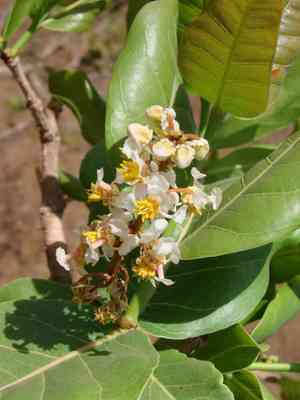
Locustberry flourishes when relocated during the pleasant onset of spring, since the warm earth and mild climate encourage strong root development. Optimal sites are sun-drenched areas featuring soil that drains effectively; steer clear of excessively shaded zones to guarantee peak growth.
What Preparations are Needed Before Transplanting Locustberry?
What is the Ideal Time for Transplanting Locustberry?
The best period for relocating locustberry is early spring, as temperatures are mild and daylight hours increase, allowing the plant sufficient time to develop roots prior to summer. Moving it during this window reduces stress and maximizes its growth potential, ensuring locustberry flourishes in its new spot.
How Much Space Should You Leave Between Locustberry Plants?
Locustberry requires ample room to expand! Ensure a spacing of approximately 10-15 feet (3-4.5 meters) between them. This provides each plant enough space to thrive without overcrowding.
What is the Best Soil Mix for Locustberry Transplanting?
For locustberry, prepare soil that drains well and is slightly acidic to neutral. Incorporate some compost or a general-purpose base fertilizer to enrich the soil and promote robust growth.
Where Should You Relocate Your Locustberry?
Locustberry thrives in sunlight! Select a site that receives direct sun for at least 6-8 hours daily. This will help your plant remain healthy and produce beautiful blossoms.
What Equipments Should You Prepare Before Transplantation Locustberry?
Gardening Gloves
To safeguard your hands while handling soil and plants.
Shovel or Spade
Crucial for digging and lifting the plant along with its root ball.
Trowel
For more precise digging and moving soil.
Watering Can or Hose
To hydrate the plant before and after its relocation.
Wheelbarrow
Optional, but useful for moving larger plants.
Pruning Shears
To trim any damaged or overgrown roots and stems.
How Do You Remove Locustberry from the Soil?
How Do You Remove Locustberry from the Soil?
From Ground: First, moisten the locustberry plant to dampen the soil. Next, excavate a wide trench around the plant using a shovel or spade, ensuring the plant's root ball stays intact. Carefully work the spade beneath the root ball to lift the plant from its original spot.From Pot: Water the locustberry thoroughly to loosen the soil. Gently tilt the pot on its side and carefully slide the plant out while supporting the root ball. You might need to tap the pot's sides and bottom to fully loosen the soil.From Seedling Tray: Lightly water the seedlings to keep the soil cohesive and prevent shock. Use a trowel to gently scoop under each locustberry seedling's root ball, taking care to avoid harming the delicate roots.
Step-by-Step Guide for Transplanting Locustberry
Prep the New Location
Ensure the new site is prepared with a sufficiently dug hole that can comfortably accommodate the root ball of your locustberry. The hole should be twice as wide and as deep as the root ball.
Remove the Plant
Referring to the removal process section, follow the appropriate steps to carefully extract your locustberry from its current location, ensuring minimal root disturbance.
Plant Placement
Position the locustberry into the hole at the same level it was previously growing. Avoid planting too deeply as this can hinder root respiration.
Backfill the Hole
Gently refill the hole with the excavated soil, pressing lightly to eliminate air pockets while ensuring the locustberry stands upright and stable.
Water Thoroughly
Water the newly transplanted locustberry generously to help settle the soil and remove any remaining air pockets around the roots.
How Do You Care For Locustberry After Transplanting?
Watering
Keep the soil around the locustberry consistently moist, but not waterlogged, for the initial few weeks post-transplant to aid in establishing strong roots.
Mulching
Apply a 2-3 inch layer of mulch around the base of the locustberry to retain moisture and regulate soil temperature. Ensure the mulch does not touch the plantâs stem.
Monitoring
Keep a close watch on the locustberry for any indications of transplant shock such as wilting, yellowing foliage, or slowed growth. Address issues promptly with appropriate care.
Support
If the locustberry is tall or top-heavy, consider staking the plant to provide support while it establishes itself in the new location.
Troubleshooting Common Issues with Locustberry Transplantation.
When is the best time to transplant locustberry?
The optimal time to transplant locustberry is early spring for ideal growth and establishment.
How should I prepare the soil for locustberry transplanting?
Loosen soil 12 inches (30 cm) deep, blend in compost to enhance nutrient content and drainage.
What is the ideal spacing for transplanting locustberry?
Space locustberry plants 10-15 feet (3-4.5 meters) apart to allow ample room for growth.
Should I water locustberry immediately after transplanting?
Yes, thoroughly water locustberry right after transplanting to help settle the soil around its roots.
How deep should the transplant hole be for locustberry?
Dig the hole twice the width and the same depth as the root ball of locustberry.
Can I use fertilizer when transplanting locustberry?
A balanced, slow-release fertilizer can be incorporated into the soil when transplanting locustberry.
How can I support locustberry after transplanting?
Stake locustberry if needed to protect it from wind until its roots are established.
Is mulching necessary for locustberry after transplanting?
Mulch around locustberry to retain moisture, suppress weeds, and regulate soil temperature.
How often should locustberry be watered post-transplant?
Water locustberry regularly for the first few months to ensure consistent soil moisture.
What are signs locustberry is not adapting well after transplant?
Wilting, discoloration, or stunted growth may indicate locustberry is struggling post-transplant.



