How to Prune Locustberry?
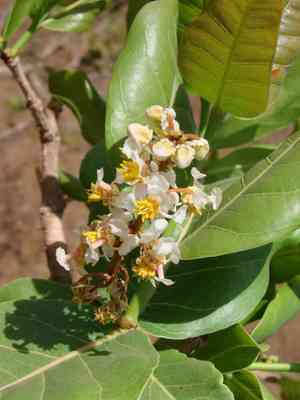
Locustberry is recognized for its abundant leaves and striking fruit. To preserve its form and vitality, trim locustberry in the latter part of winter or early spring prior to the emergence of new shoots. Prioritize the removal of deceased or compromised branches initially, then thin out congested sections to enhance air movement. Trimming stimulates fresh development and blooming, simultaneously deterring ailments. Verify that sterile, keen implements are utilized for accurate incisions. Refrain from extensive pruning, as this can cause strain to the plant.
What Are the Benefits of Pruning Locustberry?
What Are the Benefits of Pruning Locustberry?
Trimming locustberry promotes robust development and helps maintain its form. It fosters healthy branching, improved air circulation, and better light penetration. Regular trimming can also encourage more abundant blooms and fruit, while decreasing the likelihood of pests and diseases.
What Is the Best Time for Pruning Locustberry?
What Is the Best Time for Pruning Locustberry?
Trimming locustberry in late winter or early spring is considered ideal as it aligns with the plant's dormant phase just before the growth period commences. This timing facilitates rapid wound recovery and minimizes plant stress. Furthermore, pruning during these seasons aids in shaping the plant and stimulates healthy new growth, leading to a fuller, more vigorous look when the growing season starts. By pruning before locustberry's flowering or fruiting stages, gardeners can ensure better bloom and fruit set, enhancing overall plant health and productivity.
What Tools Do I Need to Prune Locustberry?
Hand Pruners
Perfect for small branches and precise cuts. Utilize bypass pruners to avoid crushing stems.
Lopping Shears
Useful for thicker branches that hand pruners cannot manage, typically up to 2 inches in diameter.
Pruning Saw
Essential for cutting through larger branches that are too thick for loppers.
Pole Pruner
Helps reach higher branches without needing a ladder, which can improve safety.
Gloves
Protect hands from thorns, rough branches, and potential allergens.
How to Prune Locustberry
Inspect
Examine locustberry to identify any lifeless or diseased branches. Look for indicators such as discolored leaves, brittle stems, or fungal growth.
Sanitize
Disinfect your pruning tools with a solution of one part bleach to nine parts water to prevent disease transmission.
Remove Dead
Carefully cut away dead branches, making the cut just above a healthy bud or at the base where it joins a larger branch. Avoid leaving stubs.
Remove Diseased
Trim away diseased branches by cutting several inches below the affected area, ensuring all infected material is removed to prevent further spread.
Dispose
Properly dispose of all pruned material, preferably by burning or securely bagging it, to prevent any disease from returning to locustberry.
Common Pruning Mistakes with Locustberry
Over-pruning
Removing too much foliage can stress locustberry, leading to reduced flowering and slower growth. It's important to prune conservatively, cutting back no more than one-third of the plant at a time.
Improper cuts
Making improper cuts (like cutting too close to the main stem or leaving stubs) can cause damage and increase the risk of disease. Always cut just above a node or bud.
Pruning at inappropriate times
Pruning at the wrong time (excluding seasonal considerations) can disrupt the plant's natural growth cycle. It's essential to understand the plant's growth habits to avoid this mistake.
Lack of sanitized tools
Using dirty or dull tools can introduce diseases and make clean cuts difficult. Always ensure tools are properly sanitized and sharp before pruning.
Common Pruning Tips for Locustberry
Use sharp tools
Ensure your pruning shears or loppers are sharp to make clean cuts. This helps the plant heal more quickly and reduces the risk of disease.
Make clean cuts
Always cut just above a node or bud at a 45-degree angle. This encourages new growth and helps prevent disease.
Remove dead or diseased branches
Start by removing any dead, diseased, or damaged branches. This opens up the plant and allows for better air circulation and light penetration.
Shape and maintain size
To maintain the desired shape and size, prune lightly but regularly. Focus on thinning the plant rather than cutting back excessively, which helps maintain a natural form.
Encourage bushier growth
To encourage bushier growth, prune the tips of young shoots. This stimulates the plant to grow more side branches, resulting in a fuller appearance.



